

[For Seniors] Fun and Lively! Recommended Quiz Questions


How about quiz games like wordplay and riddles during recreation time at day service centers and other senior facilities? Puzzles that hide meanings in the arrangement, color, or orientation of letters, as well as riddles, are enjoyable brain teasers.
The answers often draw on familiar folk tales or everyday events, so seniors can experience that delightful “I get it!” moment of surprise and accomplishment when inspiration strikes.
The process of thinking stimulates the brain, and smiles and conversation naturally arise when the answer is revealed.
This time, we’ll introduce clever wordplay and riddle quizzes that are sure to get seniors excited and thinking, the kind that make you say, “Wow, that’s clever!”
- [For Seniors] Laugh-Out-Loud, Crowd-Pleasing! Fun Quiz
- [For Seniors] Lively Wordplay Game: Fun Recreation for Elderly Care
- [Brain Training] Lively Word Quiz for Seniors
- [For Seniors] Have Fun with Wordplay Characters! A Collection of Funny Puzzles
- [For Seniors] Fun and Educational True-or-False Quiz
- [For Seniors] Fun Riddles That Stimulate the Brain
- [For Seniors] Fun! Let’s Get Excited with Japan’s Number One Quiz
- [For Seniors] Fun Quiz Questions That Will Liven Up December
- For seniors: Fun, crowd-pleasing word association game ideas
- [For Seniors] Fun Recreational Activities Without Equipment
- [For Seniors] Perfect Brain Training! Fun Trivia
- [For Seniors] Recommended and Exciting! Brain-Teaser Quiz Collection
- [For Seniors] Recommended Trivia Quizzes & Fun Facts for November
Entertainment Quiz (21–30)
Crossword puzzle

This is a crossword puzzle that lets you tackle quizzes while also serving as brain-activating training.
By finding the word common to the words above, below, left, and right and placing it in the correct spot, you can build memory and concentration.
You may also learn new vocabulary and knowledge in the process of taking on the quiz, so choosing trivia as a theme can be a good approach.
In situations where you present more difficult problems or set a time limit, offering hints partway through can make it even more exciting.
It’s a quiz that’s also great for communication when done together with family and friends.

Who am I? Soccer player edition

A “Who am I?” quiz recommended for older adults who enjoy watching soccer.
Based on six clues, you guess which soccer player is being described.
The clues include things like having driven without a license for five years, career across different leagues, being born in Germany in 1989, and more.
The answer is Marco Reus—did you get it right? You could also make quizzes featuring other world-famous soccer players such as Cristiano Ronaldo, Lionel Messi, and Kaoru Mitoma.
It’s the kind of quiz that would spark lively conversation with seniors who love soccer.

Season and Event Quiz (1–10)
What was the original wish or prayer behind the start of Hinamatsuri?
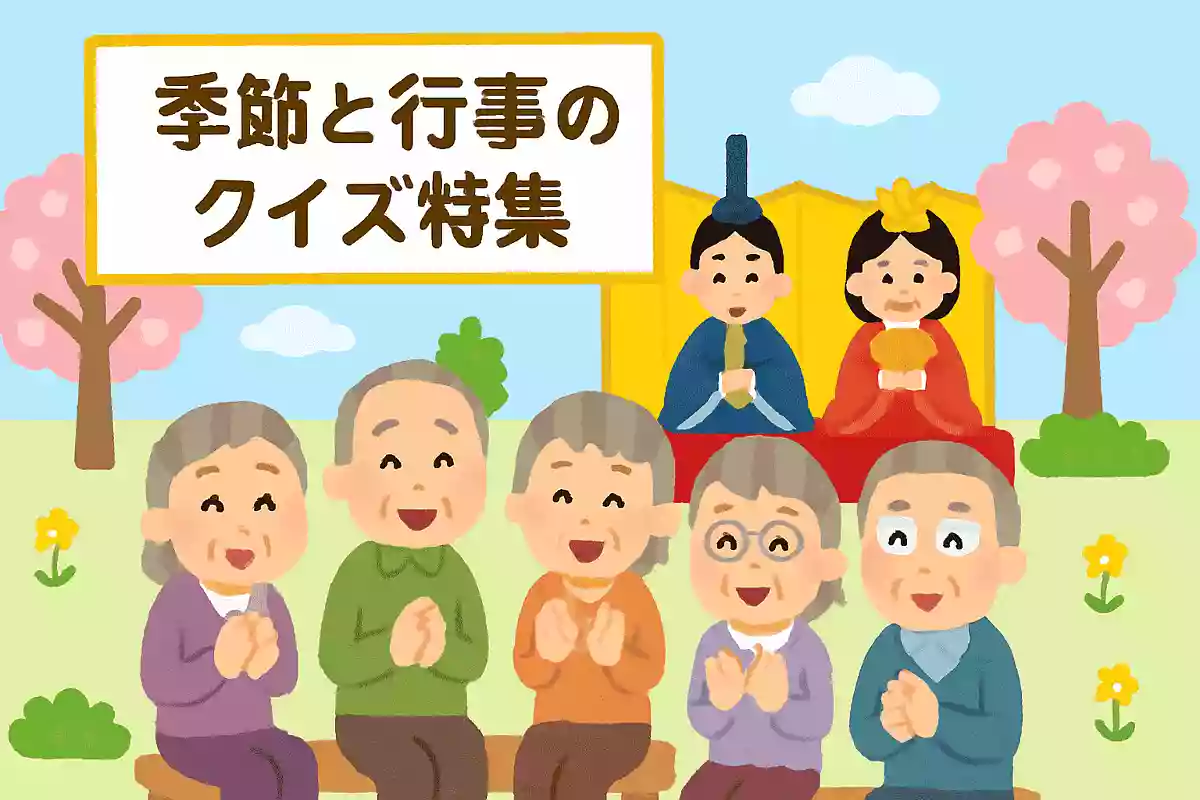
Hinamatsuri on March 3 originally began as a ritual to ward off misfortune for girls and to pray for their healthy growth.
From China, the custom of Jōshi no Sekku—a purification rite performed by the water’s edge—was introduced to Japan.
In the Heian period, this evolved into nagashi-bina, in which impurities were transferred to paper dolls that were then set adrift on a river.
Over time, the practice changed, and the dolls came to be displayed inside homes.
Because of this, it is said that Hinamatsuri transformed into a festival to wish for girls’ healthy growth and happiness.

What is the fire called that is burned when sending ancestors back on August 16?
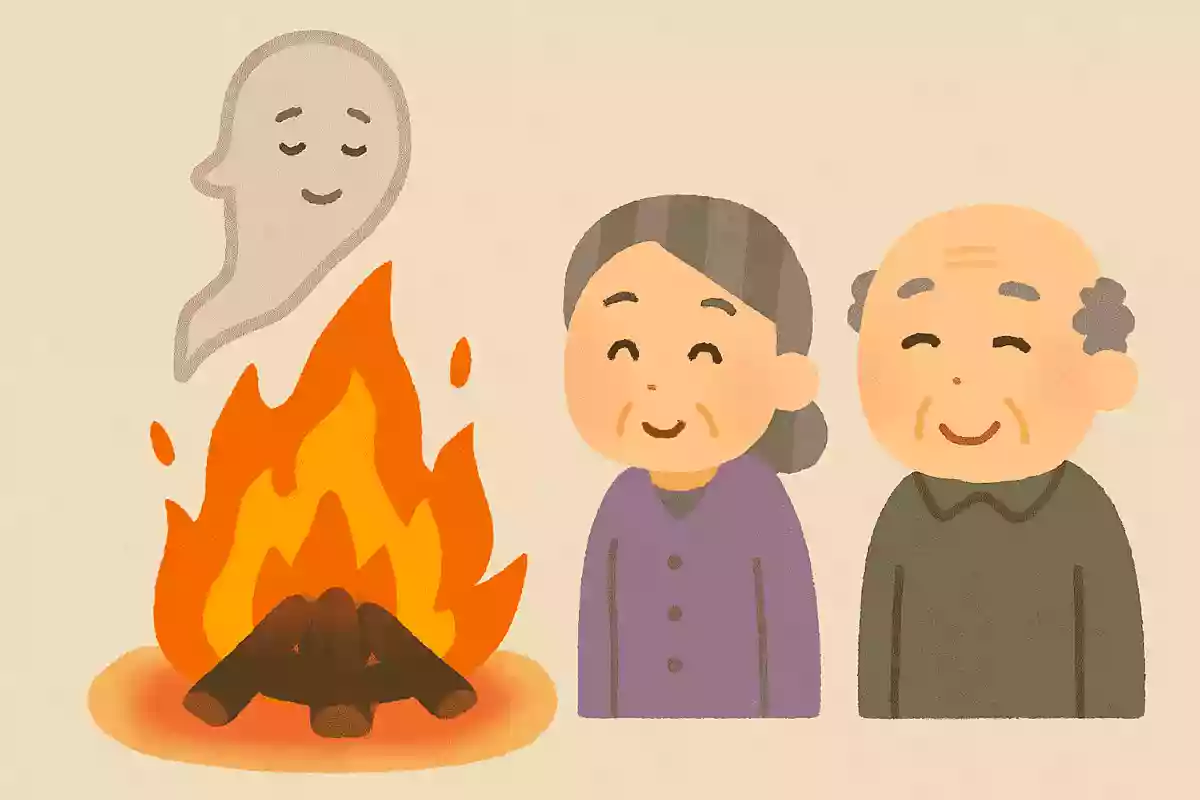
During Obon, there is a custom of burning ogara (hemp stalks).
On the first day, August 13, they are burned as a guide for the ancestors.
This is called mukaebi, or “welcoming fire.” Do you know what the fire burned on August 16, at the end of Obon, to send the ancestors back is called? The answer is okuribi, or “sending-off fire.” It may feel a little sad—after all, they’ve just come back—but let’s see them off properly.
The time for lighting the sending-off fire varies by region, but it is generally done in the evening.

The shelf used to display ancestral tablets and offerings during Obon is called a “bon-dana.” What is its other name?
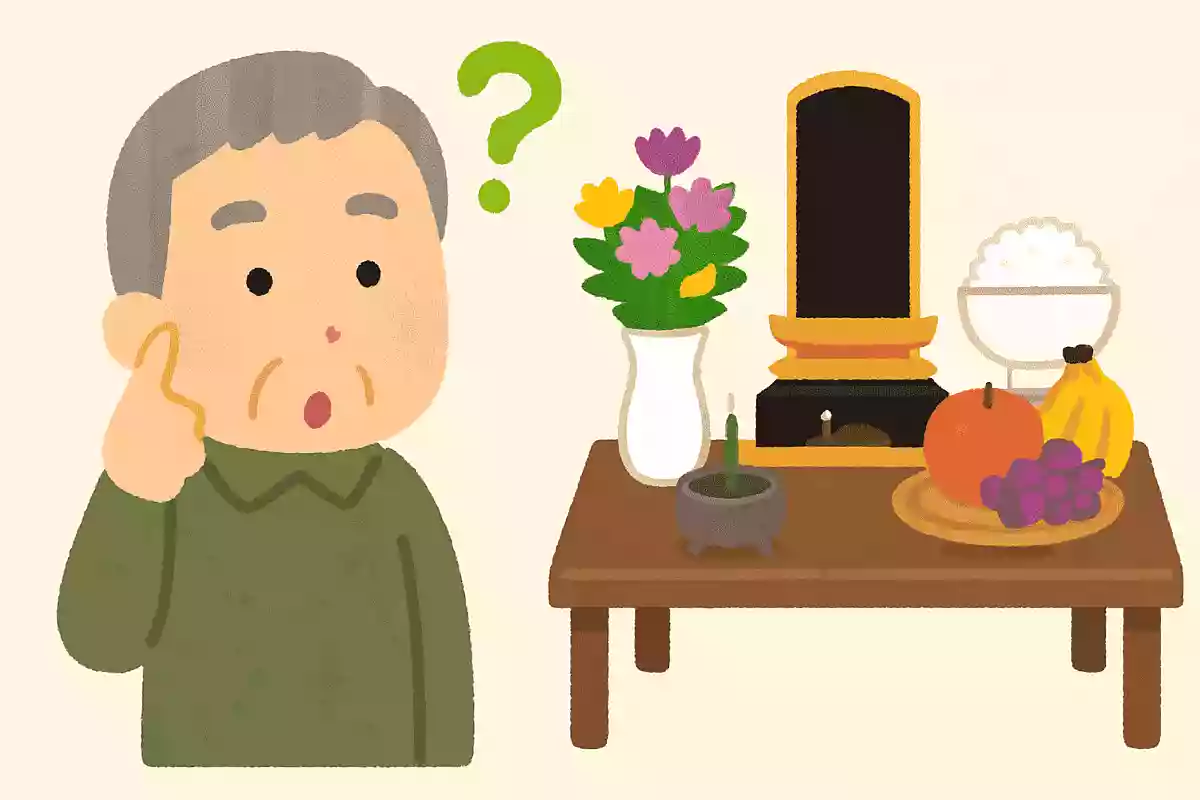
Obon is a time when we welcome and honor our ancestors, and one of its distinctive features is the various decorations, beginning with the offerings.
The shelf used to display these indispensable Obon offerings is called a “bon-dana,” but what else is it called? The answer is “shōryō-dana.” Since many Obon-related decorations and events include the word “shōryō” (spirit), this name is easy to picture.
From this, you can also sense that ancestors are referred to as “shōryō,” which may deepen the feeling that they are sacred.

The third Sunday of October is a day related to family. What is this commemorative day, which was established in 1999?
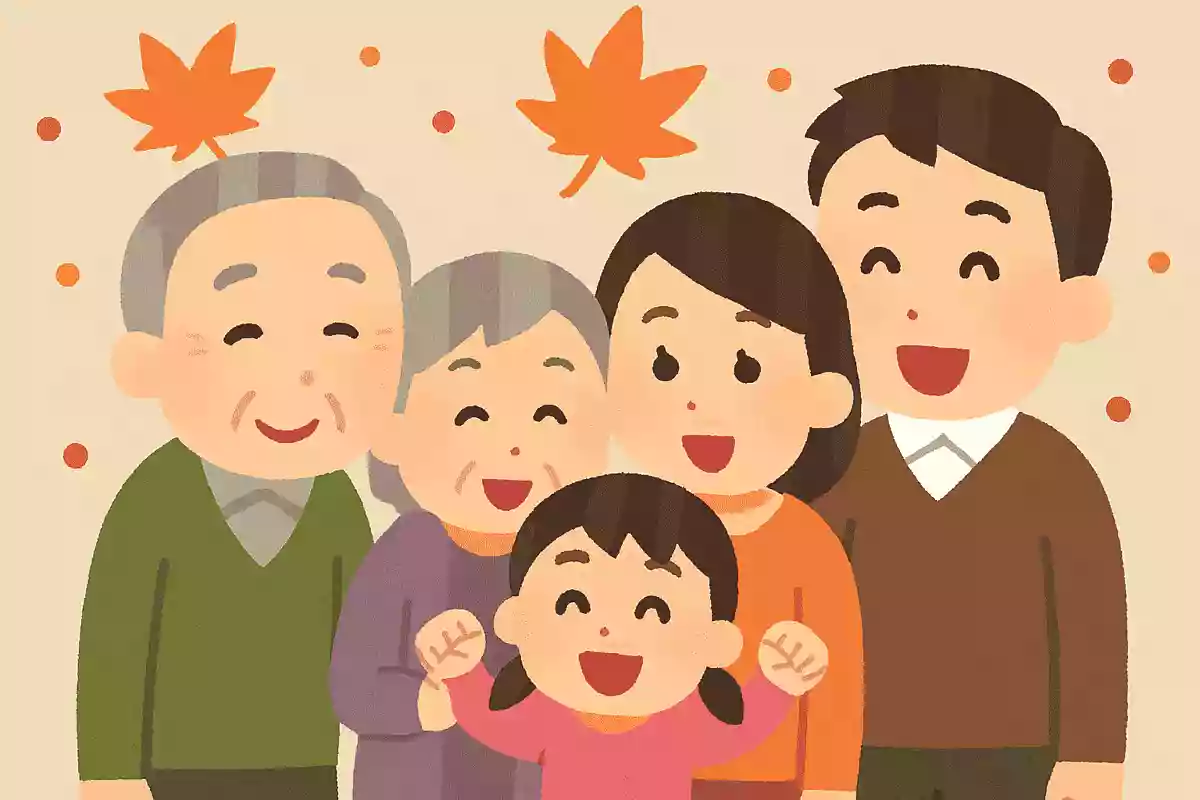
Suddenly, but do you know what the third Sunday of October is? Here are some hints: it was established in 1999, and it’s a day related to family.
The answer is Grandchildren’s Day.
This day was set by the Japan Department Stores Association, which also runs a campaign where toys that grandchildren would love are given away by lottery.
In recent years, it has also become known as a day for giving gifts to grandchildren.
Why not take this opportunity to give a present and strengthen your bond with your grandchild?

What is the name of the event, mainly held in Nagasaki and Saga prefectures, in which the spirits of ancestors and Obon offerings are placed on a boat and floated down a river?
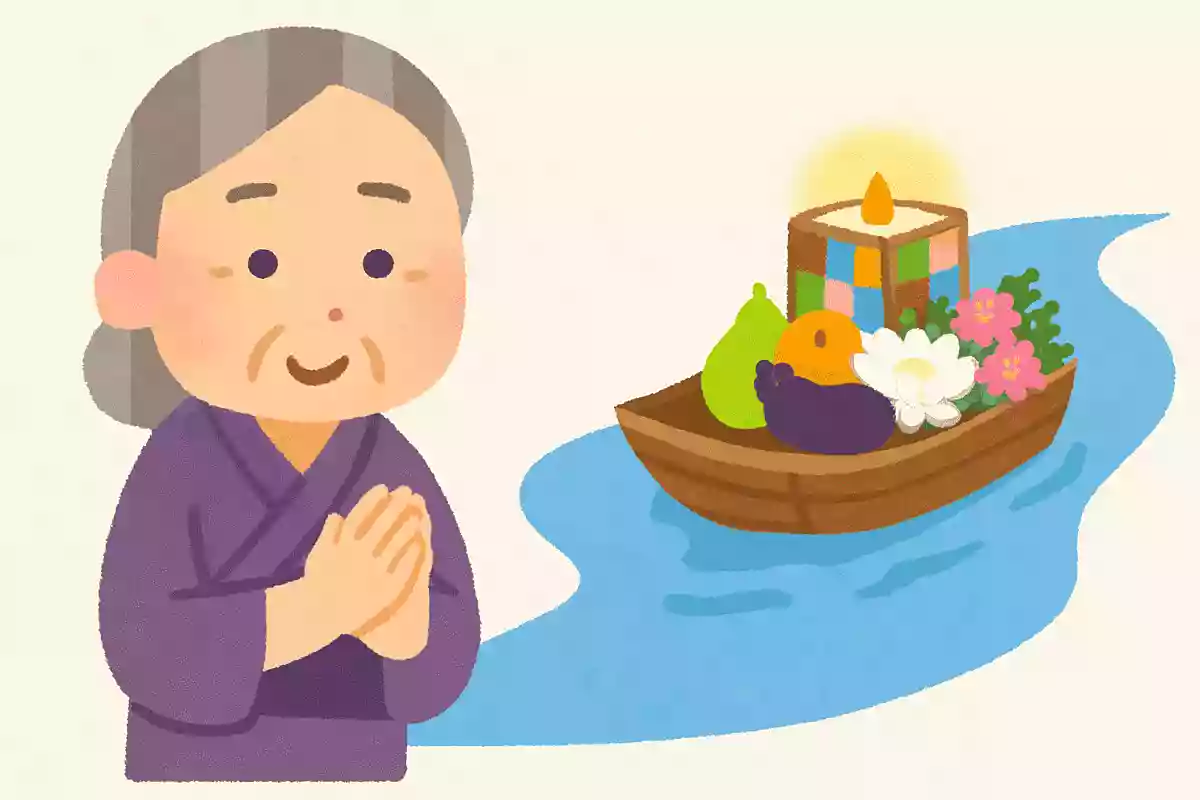
One interesting aspect of the traditional Japanese custom of Obon is that the events vary by region.
Among these Obon events, what is the name of the ceremony, practiced mainly in Nagasaki and Saga Prefectures, in which ancestors’ spirits and Obon offerings are placed on boats and sometimes actually set adrift down a river? The answer is “Shōrō-nagashi” (Spirit Boat Procession).
Because of Masashi Sada’s hit song, it is often associated with a fleeting, melancholy image, but in reality it’s a lively event.
The boats are gorgeously decorated with family crests and lanterns, and the finale echoes with the loud crackle of firecrackers—an event that truly stirs the emotions.