

[For Seniors] Fun and Lively! Recommended Quiz Questions


How about quiz games like wordplay and riddles during recreation time at day service centers and other senior facilities? Puzzles that hide meanings in the arrangement, color, or orientation of letters, as well as riddles, are enjoyable brain teasers.
The answers often draw on familiar folk tales or everyday events, so seniors can experience that delightful “I get it!” moment of surprise and accomplishment when inspiration strikes.
The process of thinking stimulates the brain, and smiles and conversation naturally arise when the answer is revealed.
This time, we’ll introduce clever wordplay and riddle quizzes that are sure to get seniors excited and thinking, the kind that make you say, “Wow, that’s clever!”
- [For Seniors] Laugh-Out-Loud, Crowd-Pleasing! Fun Quiz
- [For Seniors] Lively Wordplay Game: Fun Recreation for Elderly Care
- [Brain Training] Lively Word Quiz for Seniors
- [For Seniors] Have Fun with Wordplay Characters! A Collection of Funny Puzzles
- [For Seniors] Fun and Educational True-or-False Quiz
- [For Seniors] Fun Riddles That Stimulate the Brain
- [For Seniors] Fun! Let’s Get Excited with Japan’s Number One Quiz
- [For Seniors] Fun Quiz Questions That Will Liven Up December
- For seniors: Fun, crowd-pleasing word association game ideas
- [For Seniors] Fun Recreational Activities Without Equipment
- [For Seniors] Perfect Brain Training! Fun Trivia
- [For Seniors] Recommended and Exciting! Brain-Teaser Quiz Collection
- [For Seniors] Recommended Trivia Quizzes & Fun Facts for November
Food & Cooking Quiz (11–20)
Candy character quiz

A “Who am I?” quiz with candy characters sounds like a theme that could really liven things up! Let’s make questions from classic snacks that everyone has seen or eaten.
For sweets familiar to older adults, how about Koala’s March, Ottotto, or potato chips? Show the character illustrations on a screen or flip cards, and have participants guess their names.
It might lead to discoveries like, “So that’s what it was called?” Why not include old-fashioned snacks as well and create a quiz that older adults will enjoy participating in?

Who am I? Fruit edition

Who am I, where you figure out the answer from three hints? This is a quiz with a fruit theme.
The key is to start the first of the three hints with something broad that doesn’t narrow the answer too much, and then make the second and third hints gradually bring you closer to the answer.
For example, the first hint could be the production area, the second the color, and the third specific words.
If the answer is “ume (Japanese plum),” a good third hint would be something that makes it easy to narrow down, like “—shu (liqueur), —boshi (dried).” It’s recommended as a quiz that helps older adults have fun while recalling memories and can help prevent dementia.
Halloween is held in October. Which vegetable is used for the jack-o’-lantern in this festival?
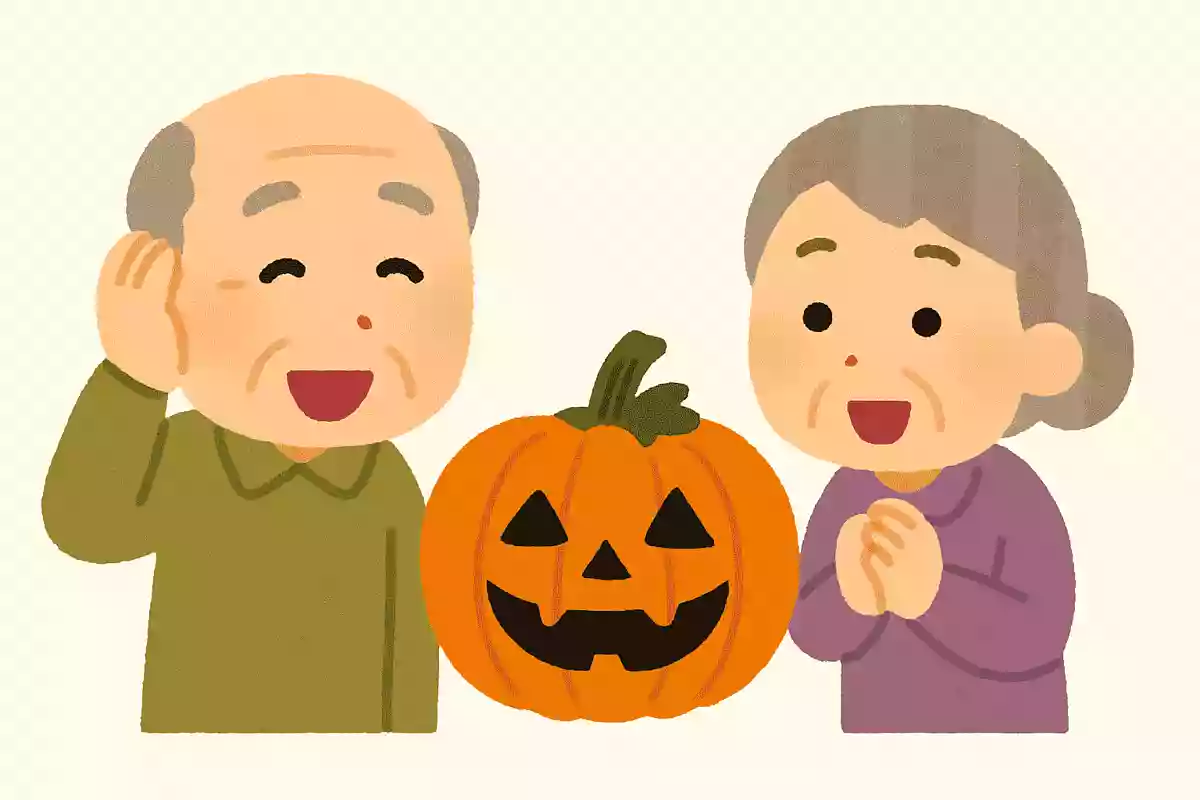
One of the major events in October is Halloween.
In recent years, more people in Japan have been taking part as well.
The symbol of Halloween, you could say, is the jack-o’-lantern.
Here’s a question: “What vegetable is used to make a jack-o’-lantern?” The correct answer is pumpkin.
The reason is that for the Celts, who came up with Halloween, it was an easy-to-obtain vegetable.
It’s interesting to think that a different vegetable might have been used instead.

What vegetable was once grown for ornamental purposes because it was considered ‘poisonous’?
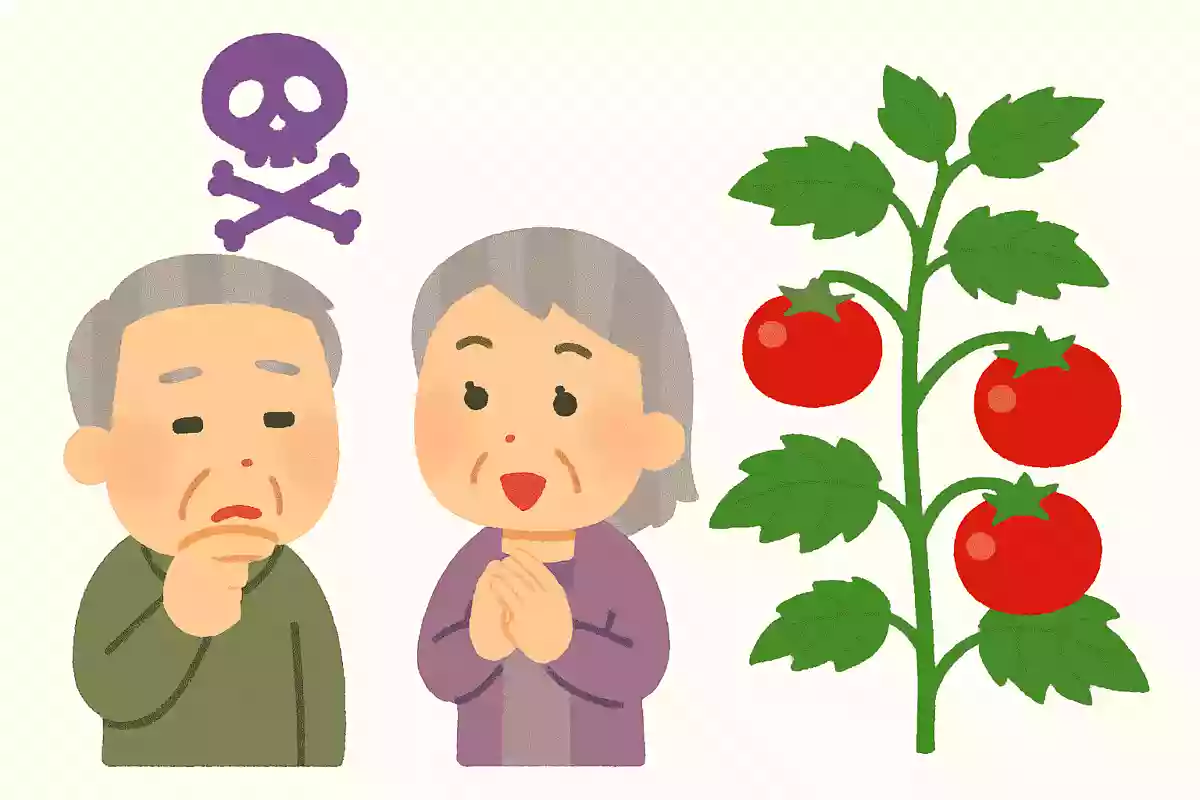
This answer would surprise even older folks! Nowadays, it’s an extremely common food that just about everyone, young and old, has eaten at least once.
Hints include that it’s a vegetable, it can be sweet or sour, and it contains lycopene, which helps improve lifestyle-related health issues and is great for beauty.
The answer is—tomatoes! The issue stemmed from toxins contained in tomatoes, but thanks to selective breeding, those toxic components have been greatly reduced today.
Still, the non-fruit parts like the stems and leaves are dangerous, so please be careful.

One high-end ingredient that represents autumn in Japan is described as having a “smell trapped in leather shoes,” and it isn’t commonly eaten in the West. What is this luxury ingredient?
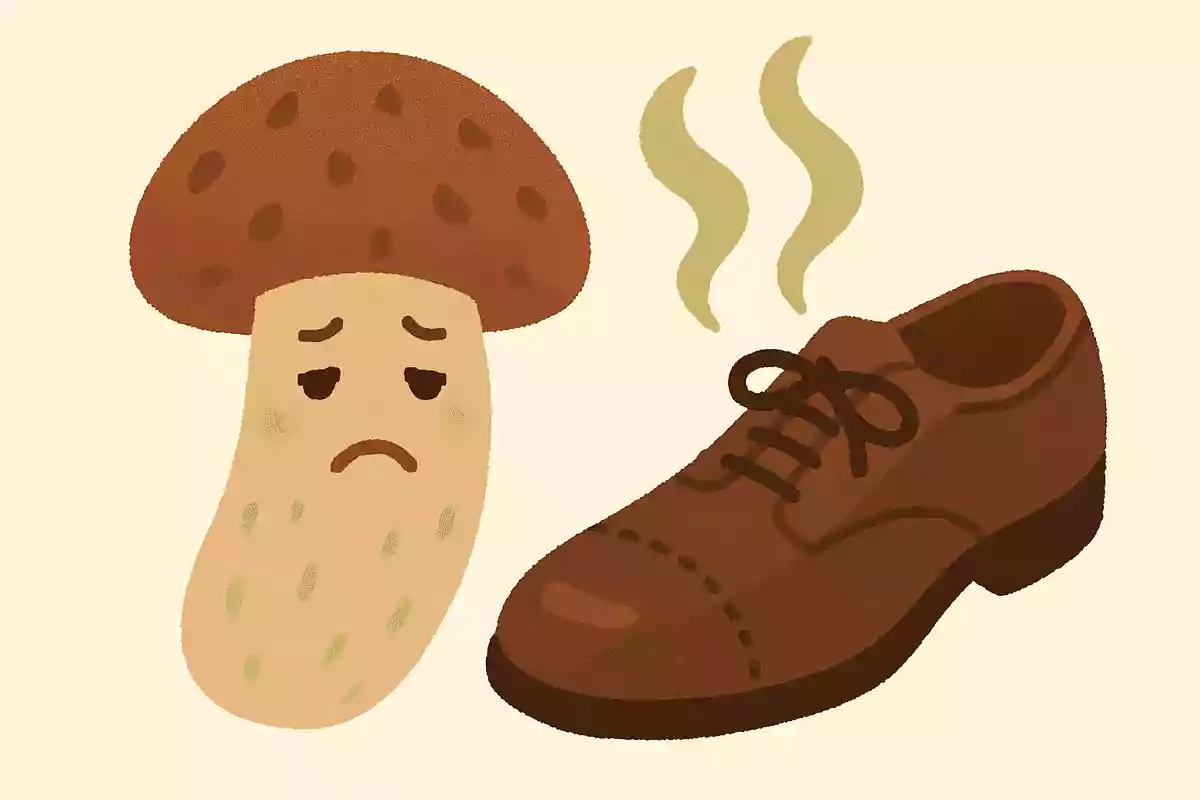
As autumn is known for whetting the appetite, many delicious foods that boost our cravings come into season.
Starting with rice, there are also Pacific saury, sweet potatoes, chestnuts, pears, and grapes, but the true king of autumn flavors is undoubtedly matsutake mushrooms.
As a luxury ingredient, matsutake aren’t something we can easily enjoy every day, and their greatest allure lies in their uniquely sweet aroma.
This fragrance is said to stimulate the appetite and have a calming effect, and in recent years, it has reportedly been found to be potentially effective in helping prevent cancer.
What are the differences between udon, hiyamugi, and somen?
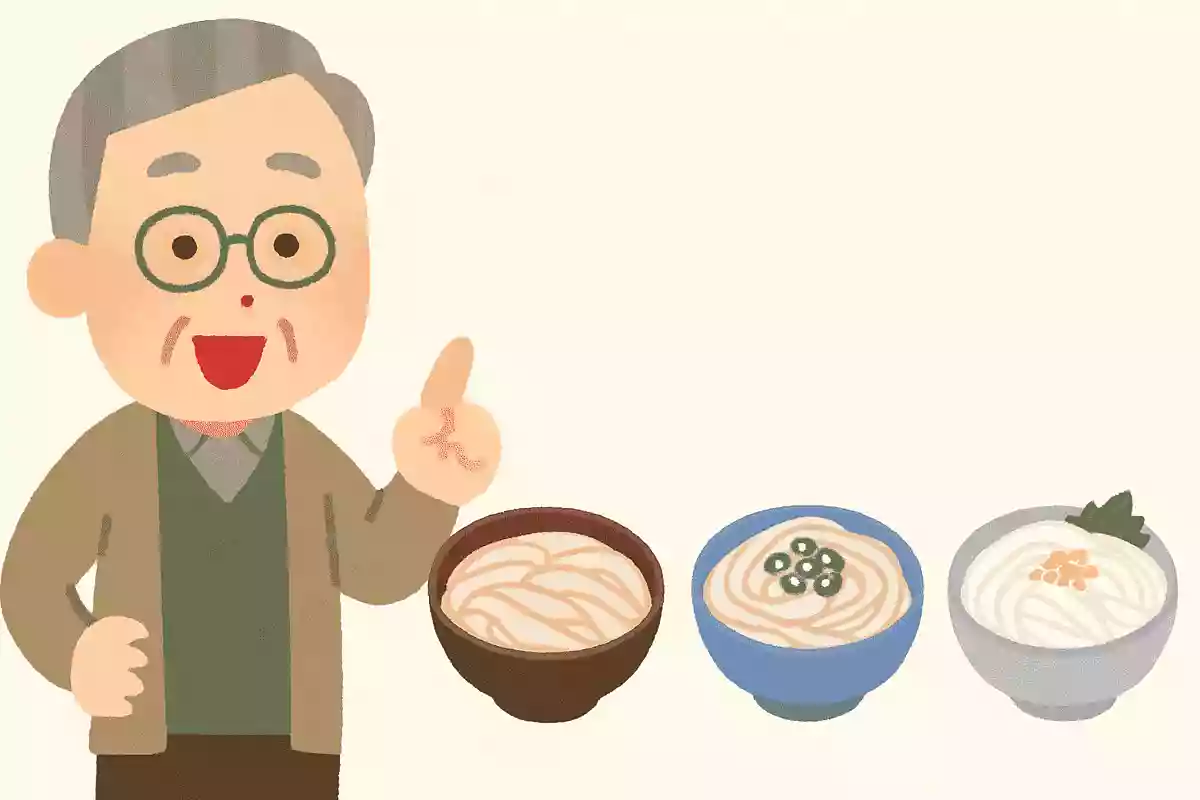
Udon, somen, and hiyamugi are all very familiar ingredients to Japanese people.
Since they’re all made from the same wheat flour despite having different names, you might wonder what sets them apart.
Let’s clear up that question by looking at the differences among udon, somen, and hiyamugi.
The main distinction is thickness: methods vary by machine-made or hand-pulled, but generally somen is the thinnest, udon is the thickest, and hiyamugi falls in between.
It’s also worth learning about how thickness aims for different textures and the key points in how each is made.

Why is it that we don’t eat eel raw?
Eel has long been loved by the Japanese.
Dishes like unajū (eel over rice) and grilled kabayaki come to mind as delicious favorites.
However, you’ve probably never seen eel eaten raw.
Do you know why? It’s because eel blood is toxic, but the toxin is neutralized by heat.
As a guideline, heating at 60°C for 5 minutes makes it safe.
In recent years, processing techniques have advanced, making it easier to enjoy sashimi-style eel as well.
Take this opportunity to give it a try.