

[For Seniors] Fun and Lively! Recommended Quiz Questions


How about quiz games like wordplay and riddles during recreation time at day service centers and other senior facilities? Puzzles that hide meanings in the arrangement, color, or orientation of letters, as well as riddles, are enjoyable brain teasers.
The answers often draw on familiar folk tales or everyday events, so seniors can experience that delightful “I get it!” moment of surprise and accomplishment when inspiration strikes.
The process of thinking stimulates the brain, and smiles and conversation naturally arise when the answer is revealed.
This time, we’ll introduce clever wordplay and riddle quizzes that are sure to get seniors excited and thinking, the kind that make you say, “Wow, that’s clever!”
- [For Seniors] Laugh-Out-Loud, Crowd-Pleasing! Fun Quiz
- [For Seniors] Lively Wordplay Game: Fun Recreation for Elderly Care
- [Brain Training] Lively Word Quiz for Seniors
- [For Seniors] Have Fun with Wordplay Characters! A Collection of Funny Puzzles
- [For Seniors] Fun and Educational True-or-False Quiz
- [For Seniors] Fun Riddles That Stimulate the Brain
- [For Seniors] Fun! Let’s Get Excited with Japan’s Number One Quiz
- [For Seniors] Fun Quiz Questions That Will Liven Up December
- For seniors: Fun, crowd-pleasing word association game ideas
- [For Seniors] Fun Recreational Activities Without Equipment
- [For Seniors] Perfect Brain Training! Fun Trivia
- [For Seniors] Recommended and Exciting! Brain-Teaser Quiz Collection
- [For Seniors] Recommended Trivia Quizzes & Fun Facts for November
Seasonal Events Quiz (11–20)
What anniversary is the anniversary of the popular menu on May 6?
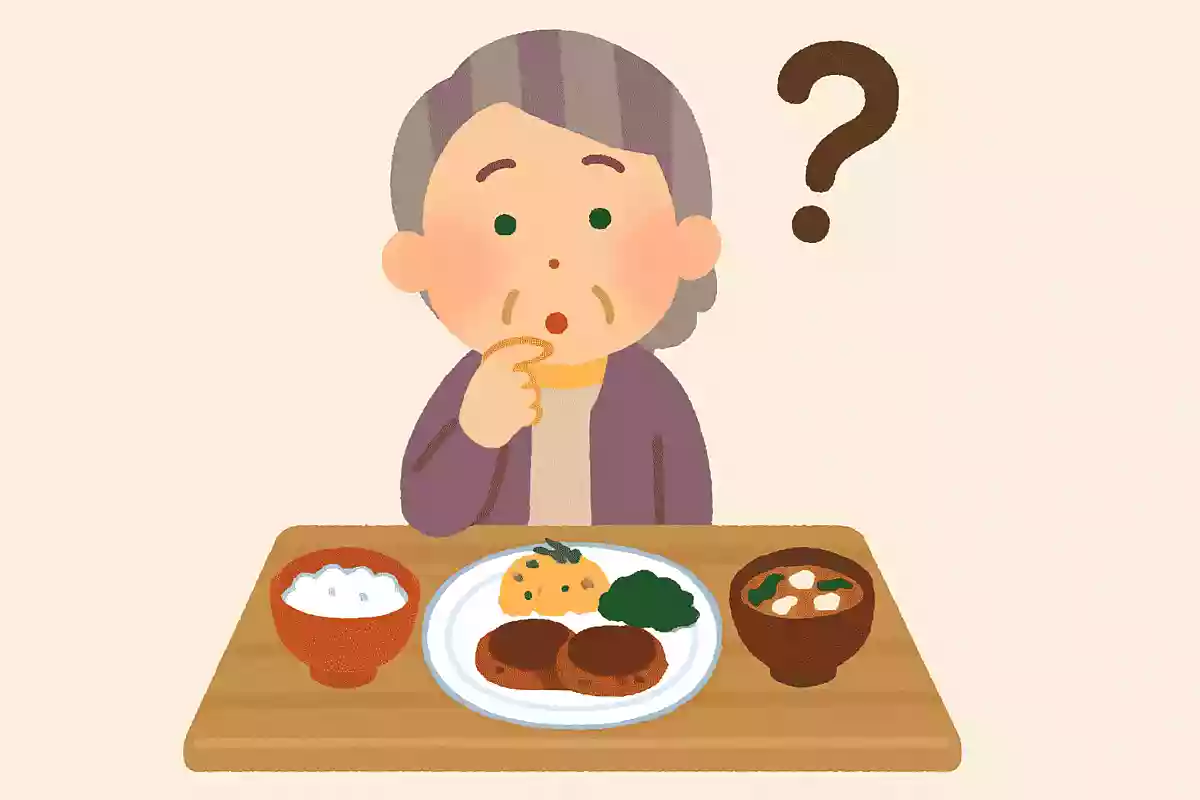
May 6 often ends up being a day off, coming right after a string of holidays, sometimes falling on a weekend or becoming a substitute holiday.
Let’s learn about the commemorative days on May 6—which can feel like a bit of an add-on—and deepen our interest in this date.
Since there are food-related observances, it could be fun to incorporate them into your menu for the day.
With the wish that families enjoy the dish during the outing season, and by playing on the way the numbers 5 and 6 are read in Japanese, May 6 has been designated as “Croquette Day.”

What do you call the practice of changing uniforms according to the season, which often takes place in June and October?
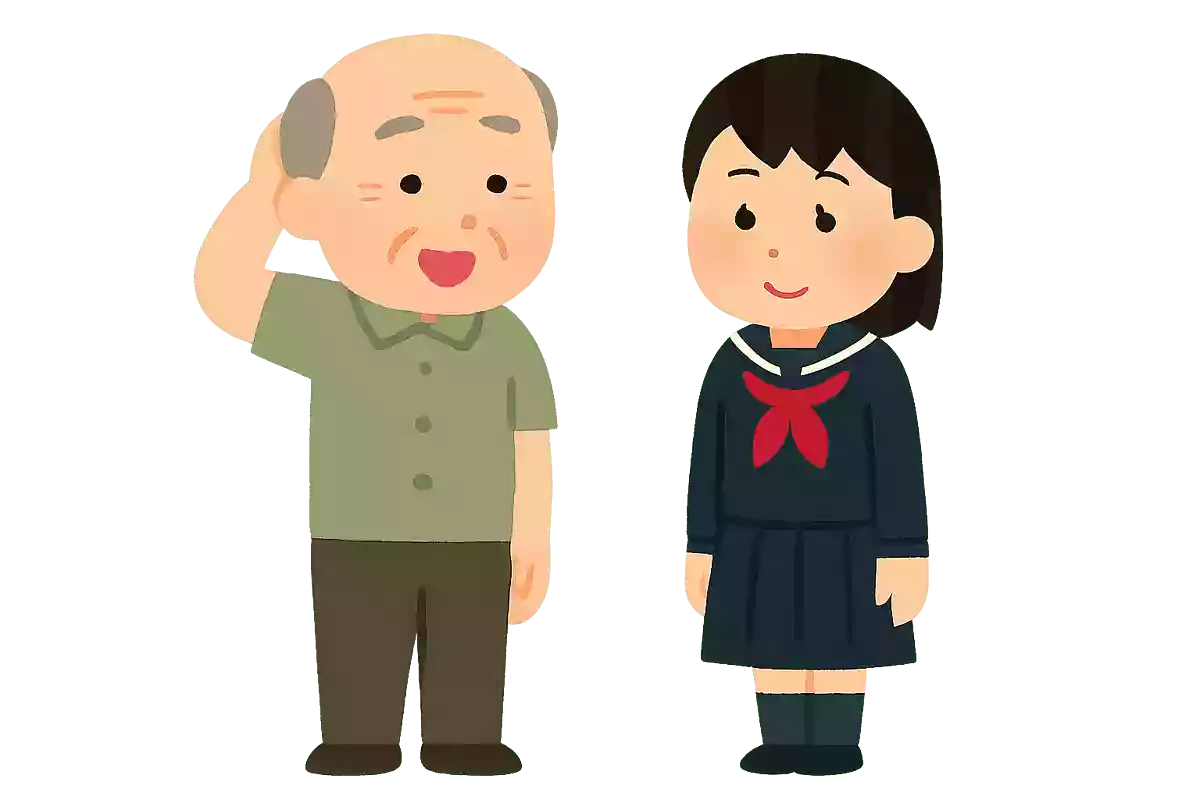
Japan has four seasons—spring, summer, autumn, and winter—and we switch between short sleeves and long sleeves depending on the weather.
Many people also swap out the clothes in their closets and dressers in June, when it gets hotter, and in October, when it gets colder.
Here’s a question: what do you call the practice of changing uniforms according to the season, often done in June and October? The answer is “koromogae,” or seasonal wardrobe change.
October is the time when we transition from summer uniforms to winter uniforms.
Let’s make sure to do koromogae properly so we don’t catch a cold during the change of seasons.

“Health and Sports Day” was renamed in 2019. After the renaming, what is the name of the public holiday on the second Monday of October?

Health and Sports Day is a national holiday established to commemorate the 1964 Olympics held in Japan.
In fact, it was renamed in 2019.
Do you know what the new name is? The correct answer is “Sports Day.” The reason for the change is that the word “sports” has a broader meaning than “physical education” and conveys a greater sense of enjoyment.
The date of the holiday also changed from October 10 to the second Monday of October.
On Sports Day, be sure to engage in sports or exercise that you enjoy.
What is considered the proper way to extinguish candles at graves or on household Buddhist altars?
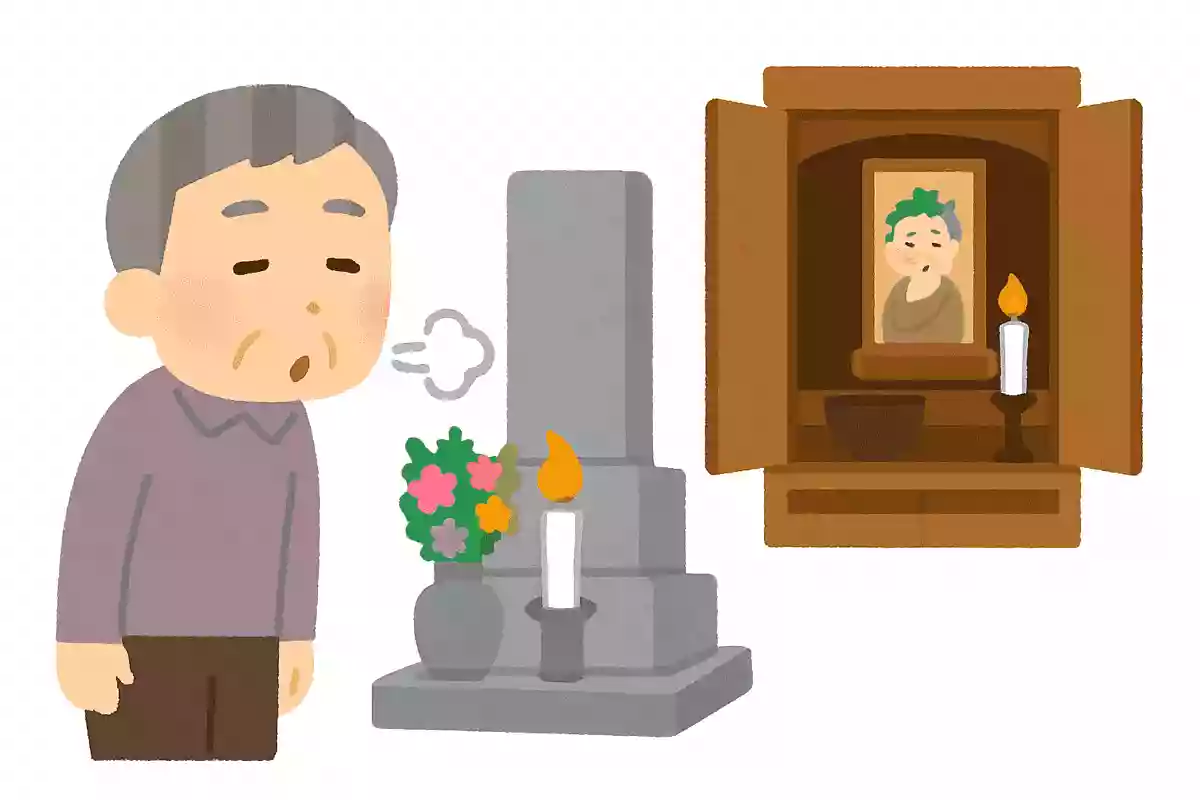
During Obon, when we welcome our ancestors, it’s common to light candles and incense at graves and household altars.
So how is it considered proper to extinguish those candles offered at graves or altars? The answer is “fan them out with your hand.” It’s considered inappropriate to blow on the sacred flame with one’s breath, which is regarded as impure.
Fanning by hand is the standard for balancing etiquette and convenience, but using a tool is also acceptable.
Since Obon is a time when we more often face graves and household altars, why not take this opportunity to reflect on the manners we should avoid?
What is the plant that is said to be essential for Obon and whose shape resembles a Bon lantern?
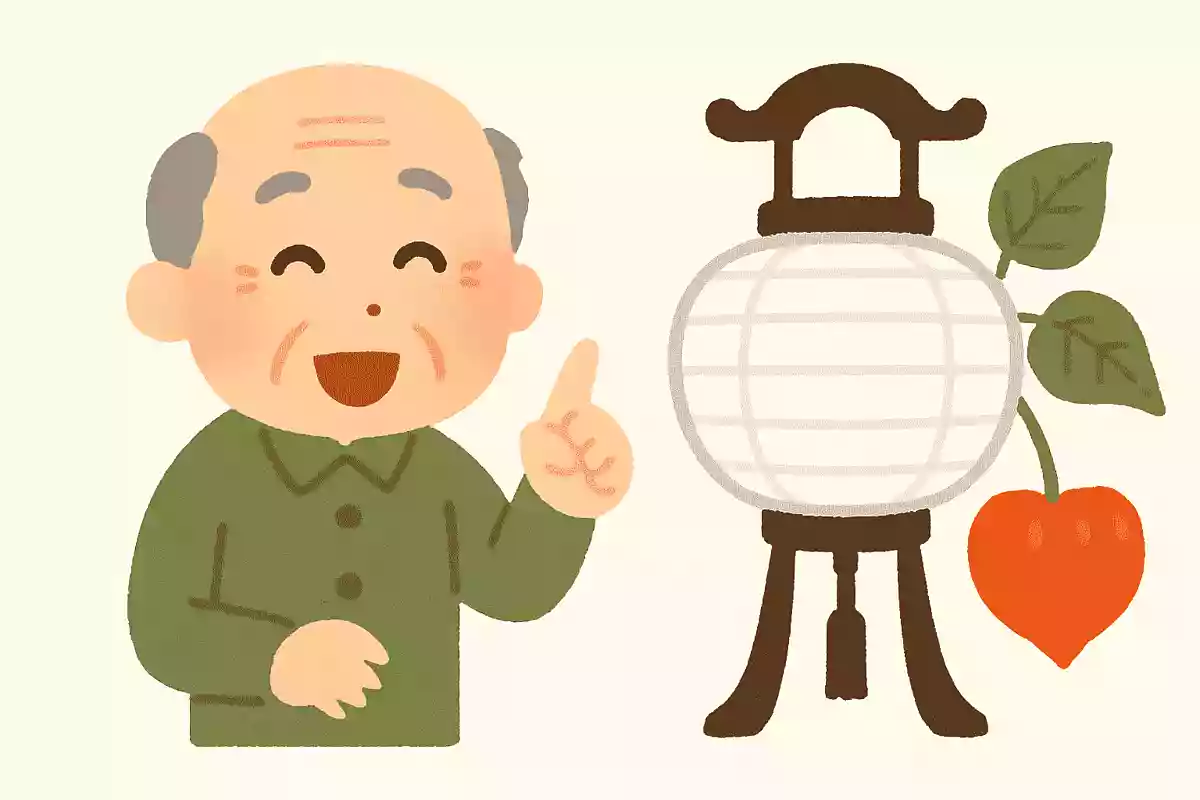
What is the plant said to be inseparable from Obon and whose shape resembles a Bon lantern? The answer is “hōzuki” (Chinese lantern plant).
Its distinctive look—fruit encased in a soft calyx—is quite striking.
The red or orange color of the calyx and fruit also evokes the light of a lantern, and their gentle hues can even feel a bit eerie.
Beyond being a symbol of Obon, it is also associated with traditional medicinal uses, and its unique colors and shape have long imparted a sense of mystery in historical accounts.
When did the Obon holiday become established?
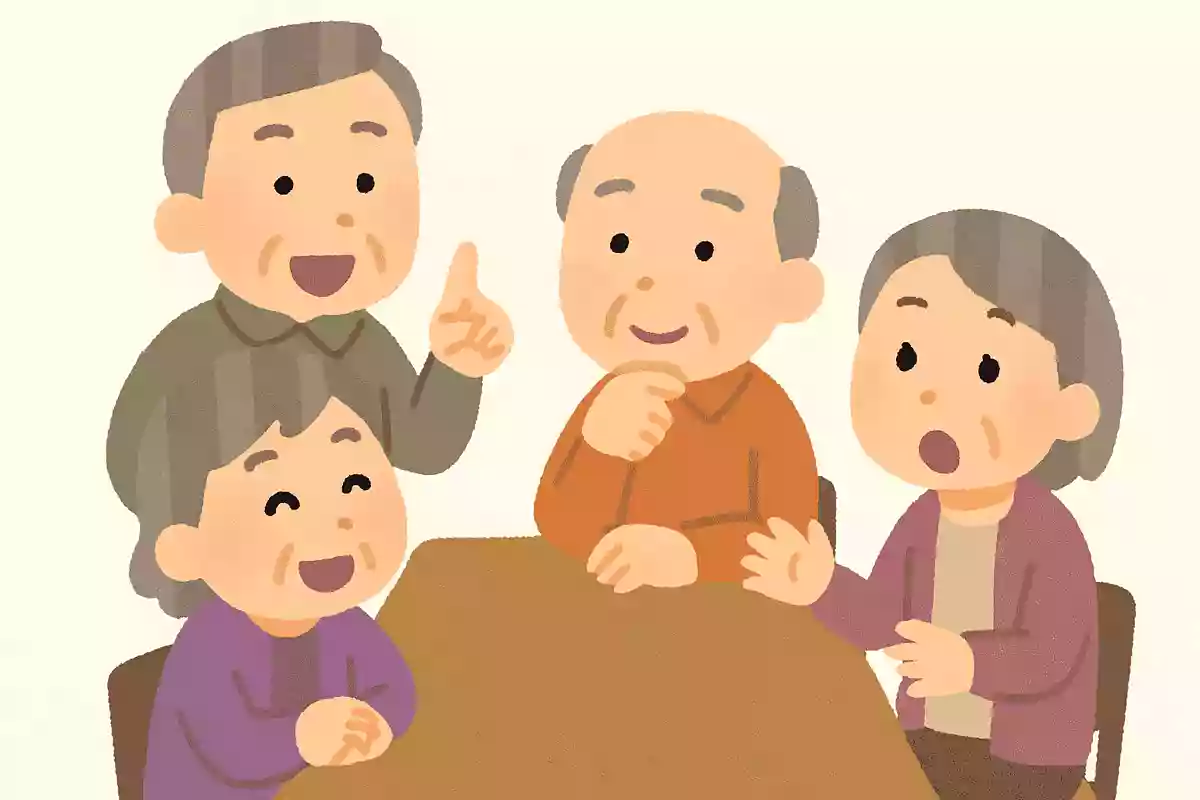
Obon is an event for welcoming one’s ancestors, and during the Obon holiday we carry out various observances.
So when did the Obon holiday, which serves both as time off for these events and as a beloved summer vacation for adults, become an established custom? The answer is the Edo period.
It is said to have taken root alongside the Obon observances themselves.
The fact that the holiday period aligns with the series of Obon events conveys the historical weight of these traditions and the sentiments imbued within them.
Yamagata Prefecture is famous for its high production of cherries. There is also a cherry-themed competition in Yamagata Prefecture—what kind of competition is it?
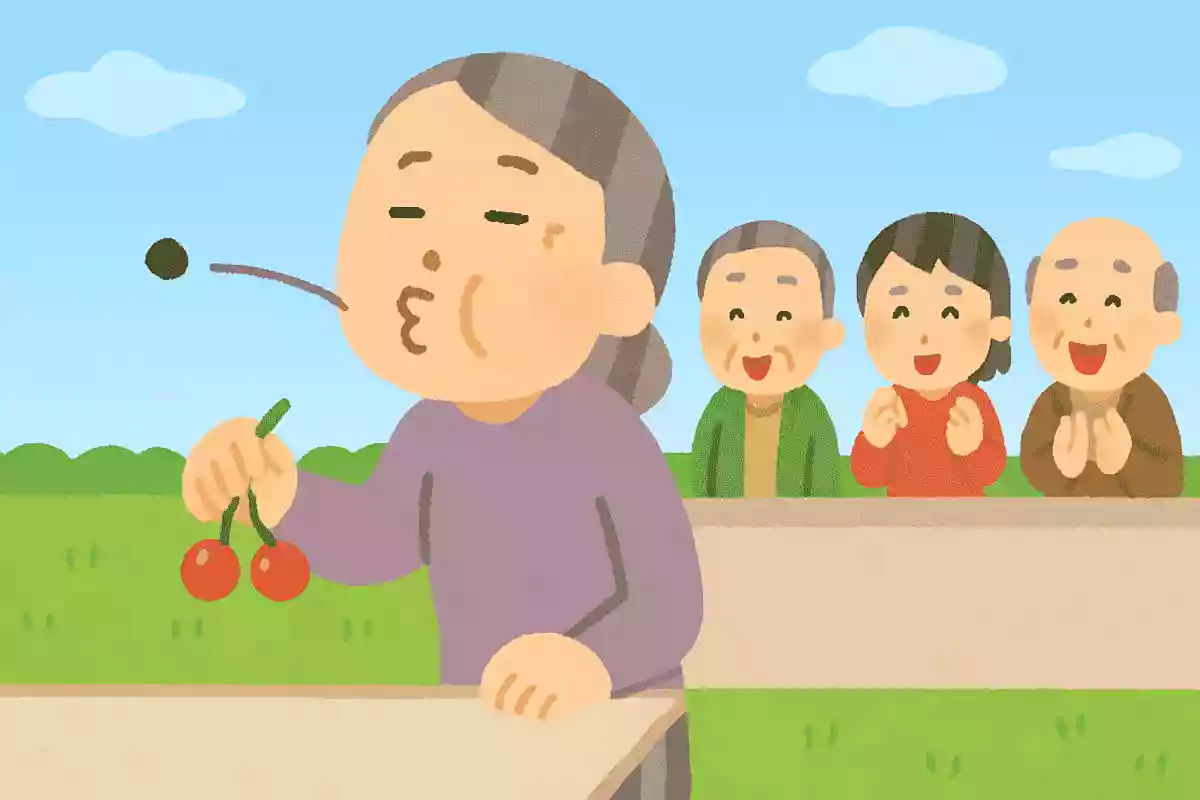
Cherries are a fruit that represents Yamagata Prefecture, and various events are held to promote them.
Among these events, let’s think about those held in a tournament format.
The hint is an action that might seem ill-mannered and is strongly associated with children.
The answer is a cherry pit-spitting contest.
Since it’s a competition conducted under proper rules, it might be interesting to learn about the tournament’s overview as well.