

[For Seniors] Fun and Lively! Recommended Quiz Questions


How about quiz games like wordplay and riddles during recreation time at day service centers and other senior facilities? Puzzles that hide meanings in the arrangement, color, or orientation of letters, as well as riddles, are enjoyable brain teasers.
The answers often draw on familiar folk tales or everyday events, so seniors can experience that delightful “I get it!” moment of surprise and accomplishment when inspiration strikes.
The process of thinking stimulates the brain, and smiles and conversation naturally arise when the answer is revealed.
This time, we’ll introduce clever wordplay and riddle quizzes that are sure to get seniors excited and thinking, the kind that make you say, “Wow, that’s clever!”
- [For Seniors] Laugh-Out-Loud, Crowd-Pleasing! Fun Quiz
- [For Seniors] Lively Wordplay Game: Fun Recreation for Elderly Care
- [Brain Training] Lively Word Quiz for Seniors
- [For Seniors] Have Fun with Wordplay Characters! A Collection of Funny Puzzles
- [For Seniors] Fun and Educational True-or-False Quiz
- [For Seniors] Fun Riddles That Stimulate the Brain
- [For Seniors] Fun! Let’s Get Excited with Japan’s Number One Quiz
- [For Seniors] Fun Quiz Questions That Will Liven Up December
- For seniors: Fun, crowd-pleasing word association game ideas
- [For Seniors] Fun Recreational Activities Without Equipment
- [For Seniors] Perfect Brain Training! Fun Trivia
- [For Seniors] Recommended and Exciting! Brain-Teaser Quiz Collection
- [For Seniors] Recommended Trivia Quizzes & Fun Facts for November
Animal & Nature Quiz (1–10)
What is the approximate temperature at which the autumn leaves start to change color?
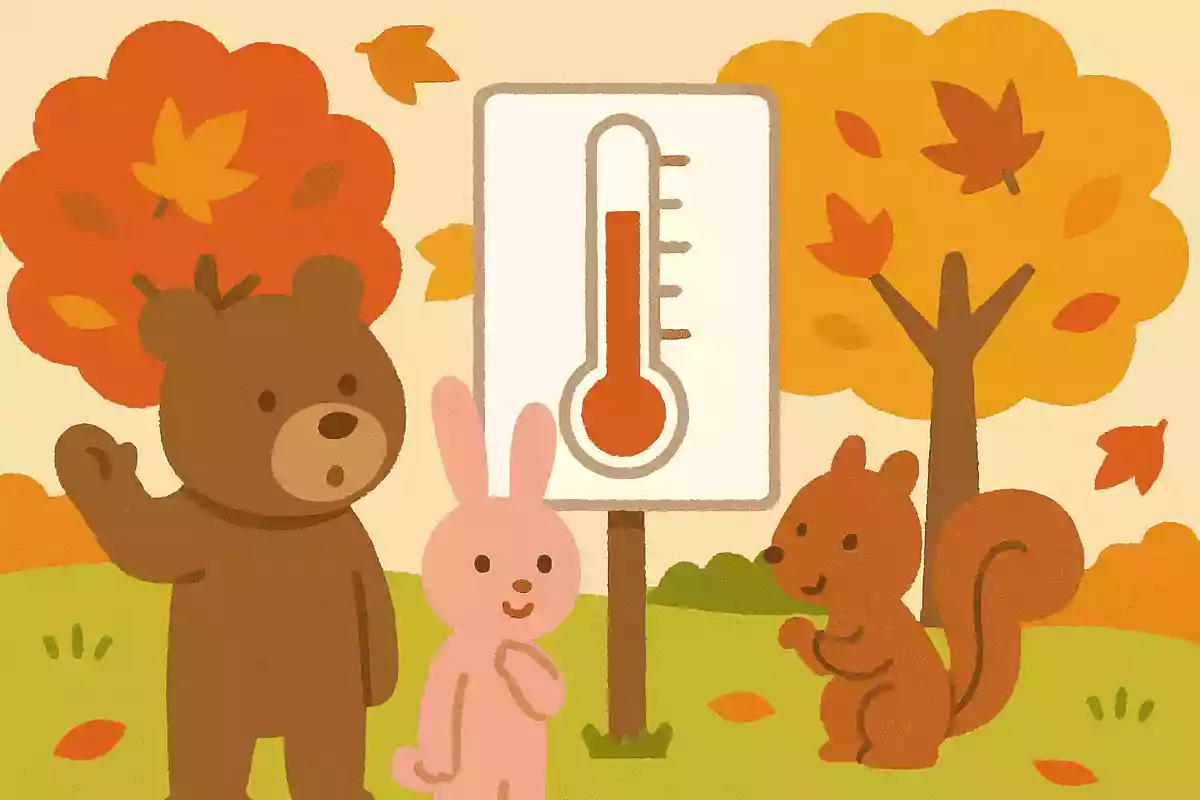
When it comes to autumn, viewing the changing leaves is an essential event, and seeing the mountains turn vivid colors really makes you feel the change of seasons.
So, what temperatures are required for the leaves to start changing? We tend to picture autumn foliage as occurring right before winter—maybe not quite winter, but during a chilly period—so you might be able to guess.
The answer is 8°C.
It’s said that foliage begins when the minimum temperature starts to fall below this level, and once it starts dipping below 5 to 6°C, the coloring progresses rapidly.

Why are houseplants displayed in banks?

Banks are essential facilities, and for some reason we have a strong image of them being decorated with potted plants.
In fact, the plants placed in banks have a deeper purpose beyond simply creating a fresh, pleasant impression.
Here’s a hint: they help resolve a type of trouble that can occur in banks—though you might rarely encounter it.
The answer is: “to roughly gauge a bank robber’s height.” It’s the kind of reason that makes you hope it’s never actually needed.
Are worker bees male or female?
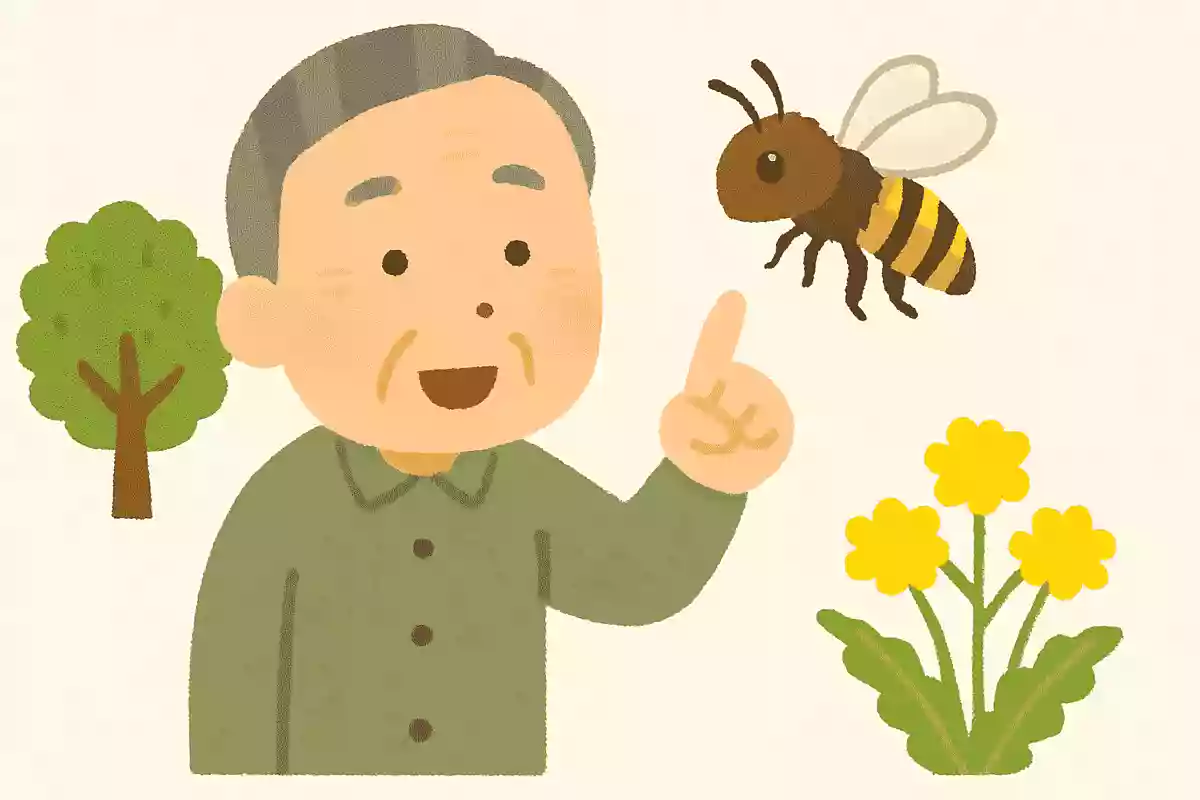
Bees that fly around outside and collect nectar to bring back to the hive give us the impression that they contribute to the colony.
So, which sex are these commonly seen worker bees—male or female? Considering that there is a queen inside the hive and that worker bees do not have reproductive capability, you might be able to guess.
The answer is that, like the queen, worker bees are female.
Males are born only during the breeding season, so most of the bees you see are likely females.
Animals & Nature Quiz (11–20)
What is the plant with a sweet fragrance that blooms around early October?
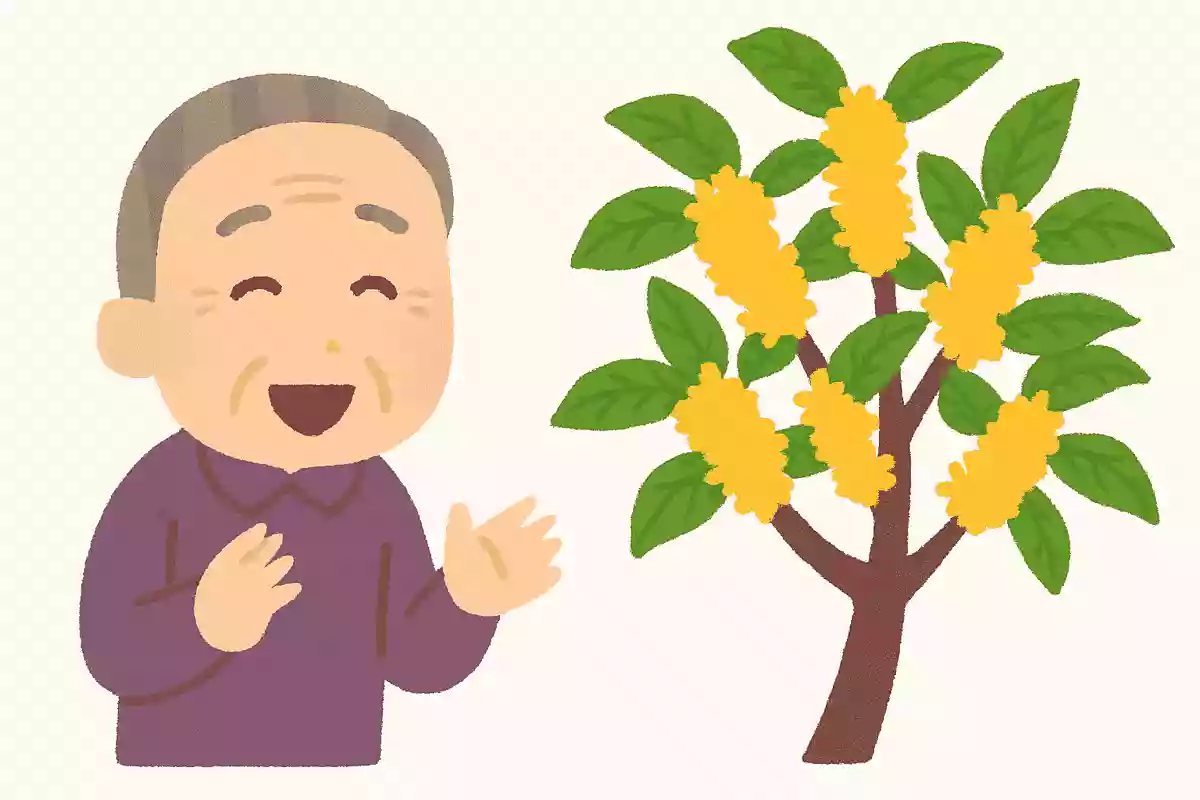
What is the sweet-smelling plant that blooms around early October? The answer is kinmokusei (fragrant orange osmanthus).
Kinmokusei bears clusters of small orange flowers.
Its scent is wonderful—gentle yet distinct.
Perhaps because of its strong fragrance, it’s a flower closely linked with memories of autumn.
It often appears in the lyrics of autumn songs across eras.
Many older adults may also find that the scent of kinmokusei brings back certain scenes or feelings.
Along with the quiz, please enjoy sharing your memories too.

“Bow-wow” represents the sound made by a dog in English. What animal is it?

How animals’ sounds are represented varies from country to country.
Among them, which animal is expressed with the sound “bow-wow” in English? Even if you’re not familiar with “bow-wow,” it’s such a classic animal that you’d quickly get the answer just by listing animals one by one.
The answer is “dog.” If you also look into how other animals’ sounds are expressed in English, and how they change in languages other than English, you’ll deepen your knowledge—and it might make for a lively conversation, too.
It’s said that when a certain bird flies low, it will rain. Which bird is it?
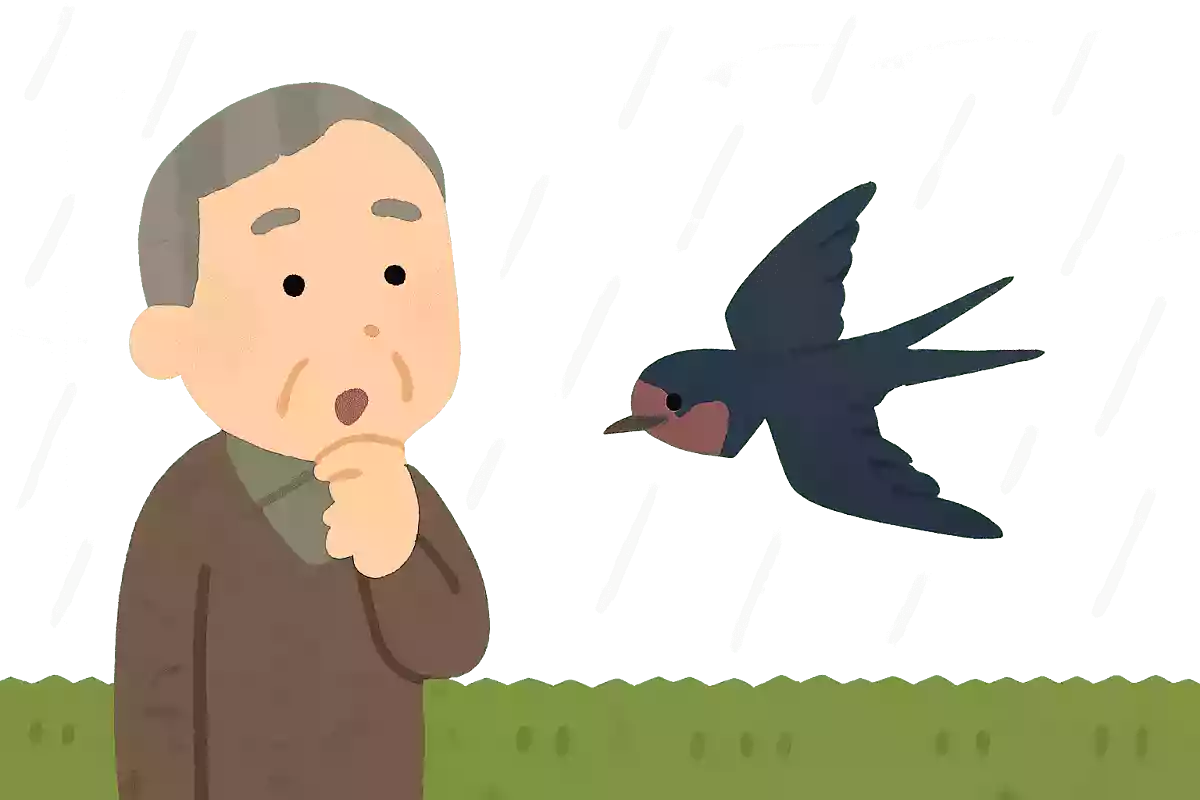
There’s a weather proverb that says, “When a certain bird flies low, it’s going to rain.” What is that bird? The answer is the swallow.
The reason is that winged insects like flies and mosquitoes, which swallows feed on, have heavier wings when humidity rises as a low-pressure system approaches, so they can’t fly high.
Swallows fly low to chase them.
Although we can now get highly accurate forecasts thanks to the latest technology, it’s nice to occasionally watch animal behavior and the sky to predict the weather.

What is the largest mammal in the world?

Mammals, one category of animal classification, include not only humans but a wide variety of species living all around the world.
Among mammals, what would you say is the largest in the world? It’s a good idea to start by imagining large animals, then expand your thinking by asking whether they’re mammals and whether there might be anything even larger.
The answer is the blue whale.
Even a simple figure—its length of about 25 to 30 meters—clearly conveys its immense size.