

[For Seniors] Fun and Lively! Recommended Quiz Questions


How about quiz games like wordplay and riddles during recreation time at day service centers and other senior facilities? Puzzles that hide meanings in the arrangement, color, or orientation of letters, as well as riddles, are enjoyable brain teasers.
The answers often draw on familiar folk tales or everyday events, so seniors can experience that delightful “I get it!” moment of surprise and accomplishment when inspiration strikes.
The process of thinking stimulates the brain, and smiles and conversation naturally arise when the answer is revealed.
This time, we’ll introduce clever wordplay and riddle quizzes that are sure to get seniors excited and thinking, the kind that make you say, “Wow, that’s clever!”
- [For Seniors] Laugh-Out-Loud, Crowd-Pleasing! Fun Quiz
- [For Seniors] Lively Wordplay Game: Fun Recreation for Elderly Care
- [Brain Training] Lively Word Quiz for Seniors
- [For Seniors] Have Fun with Wordplay Characters! A Collection of Funny Puzzles
- [For Seniors] Fun and Educational True-or-False Quiz
- [For Seniors] Fun Riddles That Stimulate the Brain
- [For Seniors] Fun! Let’s Get Excited with Japan’s Number One Quiz
- [For Seniors] Fun Quiz Questions That Will Liven Up December
- For seniors: Fun, crowd-pleasing word association game ideas
- [For Seniors] Fun Recreational Activities Without Equipment
- [For Seniors] Perfect Brain Training! Fun Trivia
- [For Seniors] Recommended and Exciting! Brain-Teaser Quiz Collection
- [For Seniors] Recommended Trivia Quizzes & Fun Facts for November
Trivia and Fun Facts Quiz (11–20)
In Japan, it’s said that a rainbow has seven colors, but how many colors is it said to have in Germany?
It’s commonly said that a rainbow has seven colors, but did you know the number of rainbow colors actually differs by country? In Japan, a rainbow is thought to have seven colors: red, orange, yellow, green, blue, indigo, and violet.
However, in Germany, a rainbow is considered to have five colors.
In the United States and the United Kingdom, it’s often six colors, and there are even countries that describe it as just two colors—red and black.
In the U.S.
and the U.K., indigo is omitted, making six colors, and in Germany both indigo and orange are omitted.
These differences seem to arise from how people perceive the rainbow.
A rainbow is a gradient without clear boundaries between colors, and how one divides and recognizes those colors varies from person to person, which is why the number of rainbow colors has come to differ across countries.

A certain Japanese custom began because it originates from Obon. What is the custom?
There is a Japanese custom that originates from Obon.
What is this event? The answer is “Ochūgen,” a summer tradition alongside the winter “Oseibo,” in which people send gifts to those who have helped them.
Because Obon carries the meaning of honoring and giving thanks to one’s ancestors, the practice of expressing gratitude to those who have supported you during this season spread as Ochūgen.
It’s a custom that heightens a sense of joy, including the fun of thinking about what kind of gift will best convey your appreciation.

The reason Momotaro’s companions are a dog, a monkey, and a pheasant
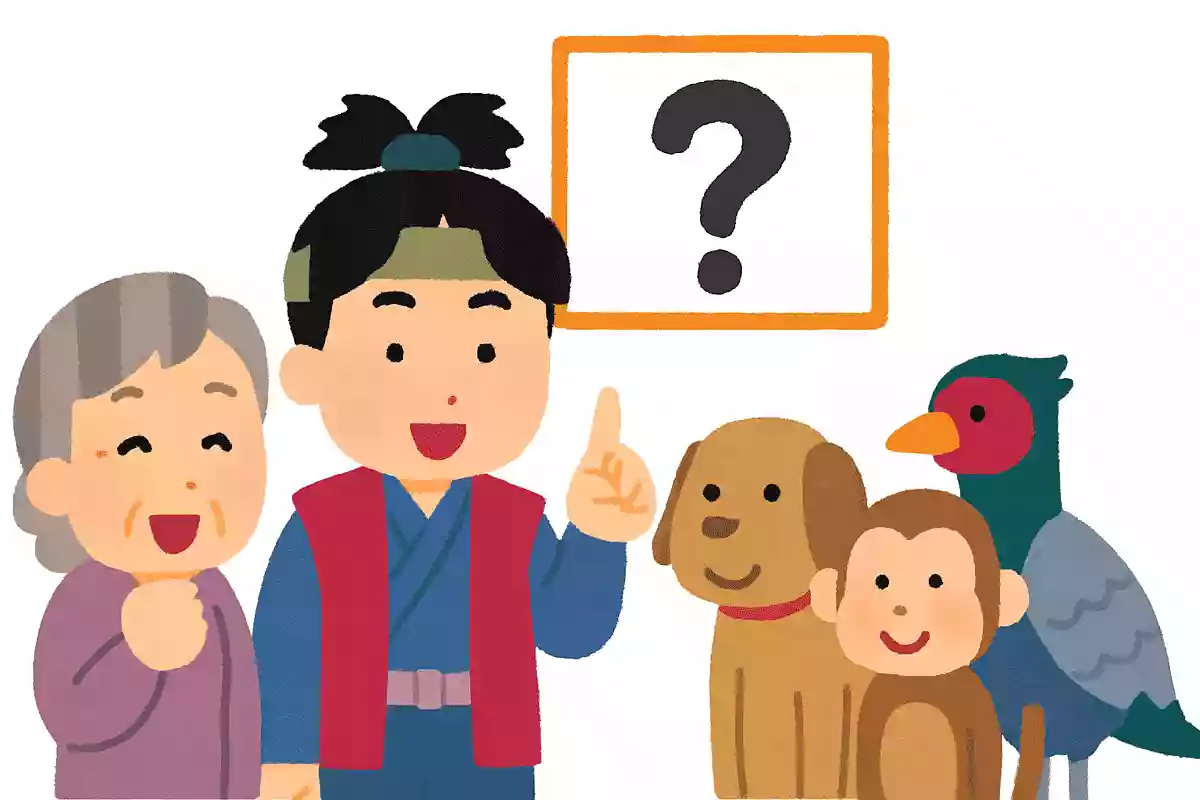
Momotaro, a staple of classic folktales that everyone knows, may strike some as a children’s story, but it’s actually a profound tale that also contains elements of Japanese mythology.
One common question about Momotaro is why his companions are a dog, a monkey, and a pheasant.
The reason has to do with the fact that his enemies are oni (demons) and with the symbolism of those who oppose them.
In relation to the direction known as the kimon—the “demon gate,” from which oni and malevolent energies are said to enter—the zodiac signs positioned in the opposite direction, the ura-kimon, are the Dog (Inu), Monkey (Saru), and Rooster (Tori).
Because of this, they are used as symbols of forces that stand against the oni.
It’s a bit of trivia that shows how knowing myths and legends can make folktales even more interesting.
Trivia and Fun Facts Quiz (21–30)
What was written on the placard when Japan participated in the Olympics for the first time in 1912?
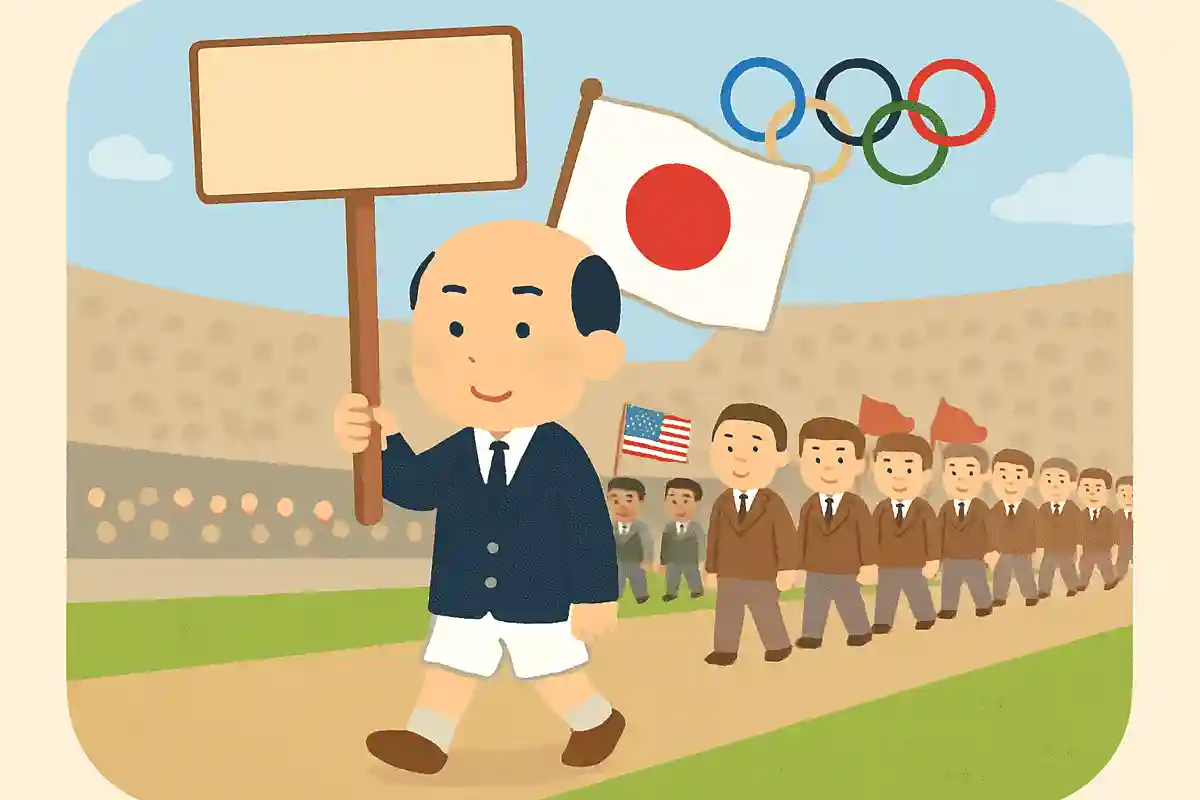
The placards carried by athletes during the opening parade display the names of their countries.
The designs, which often incorporate elements of the host nation’s culture and characteristics, also draw attention.
At the Tokyo Olympics held in 2021, a design inspired by manga speech bubbles was adopted and became a hot topic.
Now, regarding these placards—one of the highlights of the Olympics—when Japan first participated in the Games, the placard read “NIPPON.” Although there were suggestions to use “JAPAN” or the Japanese characters for Japan, “NIPPON” was ultimately chosen.

During the 2021 Tokyo Olympics, unused household appliances and mobile phones were collected to make something. What was it?
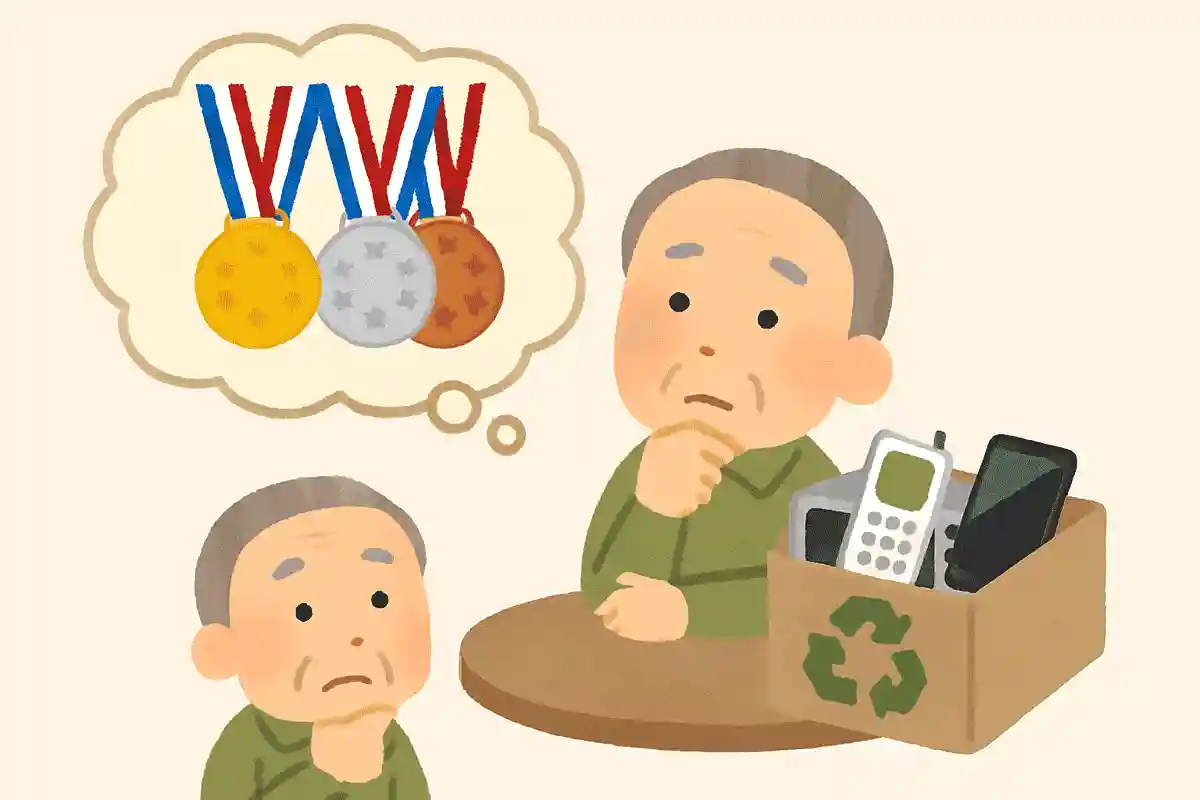
Many of you may know this as a first-of-its-kind initiative in the history of the Olympics.
The project was called “Tokyo 2020 Medal Project: Towards an Innovative Future for All.” That’s right—the items produced were the medals awarded to athletes.
The plan was to make 5,000 medals using 100% recycled metals, and it was successfully accomplished.
Many people were likely delighted to know that metals extracted from their own computers, mobile phones, and cameras became the medals.
What new sports were added to the 2024 Paris Olympics?
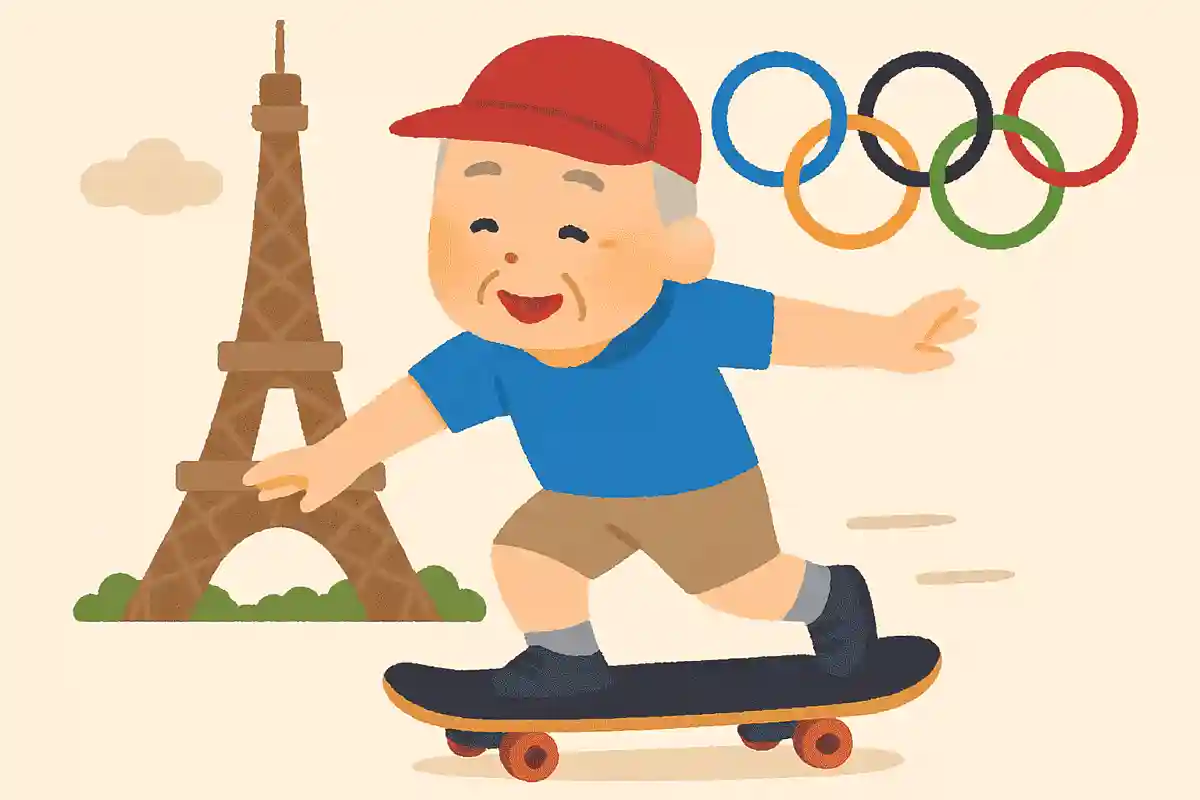
Paris is a tourist city known for famous historic landmarks such as the Eiffel Tower and the Louvre Museum, and is also called the “City of Flowers.” The 2024 Olympics marked the third time the Games were held in Paris.
Many people were likely excited to see how art and sports would merge.
A new event added to the Paris Olympics was breaking, a dance sport.
In breaking, Japan’s Ami Yuasa competed and won a gold medal.
What was the event called in which artworks on sports themes competed for rankings, which once used to be an Olympic discipline?
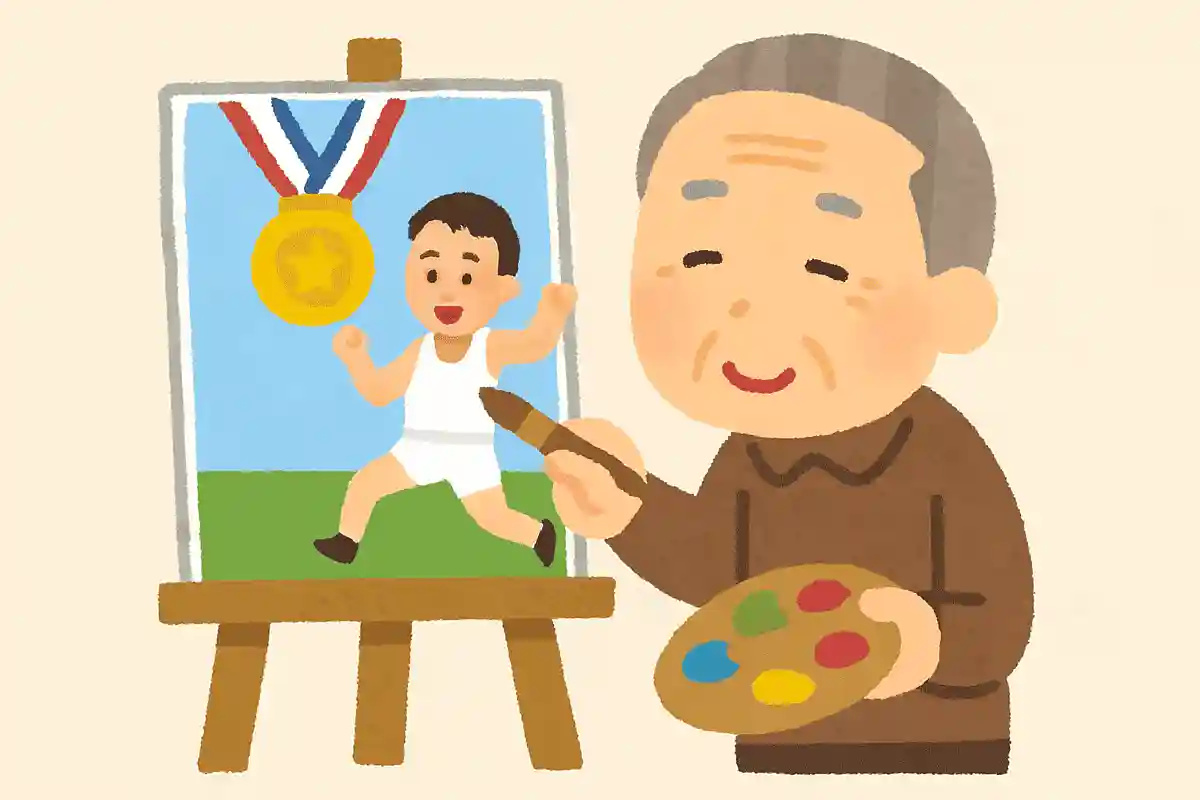
Although it is no longer an official event because preserving the quality of artworks and establishing objective scoring criteria are difficult, there used to be competitions in past modern Olympics in which artworks were ranked.
They were called “art competitions.” Japanese participants also took part in the Los Angeles and Berlin Olympics.
Starting with the Helsinki Olympics, instead of a competition, art exhibitions have been included as part of the cultural program, as stipulated by the Olympic Charter.