

[For Seniors] Fun and Lively! Recommended Quiz Questions


How about quiz games like wordplay and riddles during recreation time at day service centers and other senior facilities? Puzzles that hide meanings in the arrangement, color, or orientation of letters, as well as riddles, are enjoyable brain teasers.
The answers often draw on familiar folk tales or everyday events, so seniors can experience that delightful “I get it!” moment of surprise and accomplishment when inspiration strikes.
The process of thinking stimulates the brain, and smiles and conversation naturally arise when the answer is revealed.
This time, we’ll introduce clever wordplay and riddle quizzes that are sure to get seniors excited and thinking, the kind that make you say, “Wow, that’s clever!”
- [For Seniors] Laugh-Out-Loud, Crowd-Pleasing! Fun Quiz
- [For Seniors] Lively Wordplay Game: Fun Recreation for Elderly Care
- [Brain Training] Lively Word Quiz for Seniors
- [For Seniors] Have Fun with Wordplay Characters! A Collection of Funny Puzzles
- [For Seniors] Fun and Educational True-or-False Quiz
- [For Seniors] Fun Riddles That Stimulate the Brain
- [For Seniors] Fun! Let’s Get Excited with Japan’s Number One Quiz
- [For Seniors] Fun Quiz Questions That Will Liven Up December
- For seniors: Fun, crowd-pleasing word association game ideas
- [For Seniors] Fun Recreational Activities Without Equipment
- [For Seniors] Perfect Brain Training! Fun Trivia
- [For Seniors] Recommended and Exciting! Brain-Teaser Quiz Collection
- [For Seniors] Recommended Trivia Quizzes & Fun Facts for November
Showa Retro: Nostalgia Quiz (11–20)
October 10 is Public Bathhouse Day. What is something that is often painted on the walls of sento bathhouses?

October 10 is Sento Day.
In recent years, more and more “super sento” have appeared, offering saunas, stone spas, and dining areas.
But traditional sento have also become popular among young people as “Showa retro.” Here’s a question about sento: What is something that is often painted on the walls? The answer is Mount Fuji.
It’s said to be painted because it’s considered auspicious.
That said, this is more common around the Kanto region and not as prevalent in western Japan.

What sport was popular in the 1970s thanks to the success of players like Kayoko Suda and Ritsuko Nakayama?
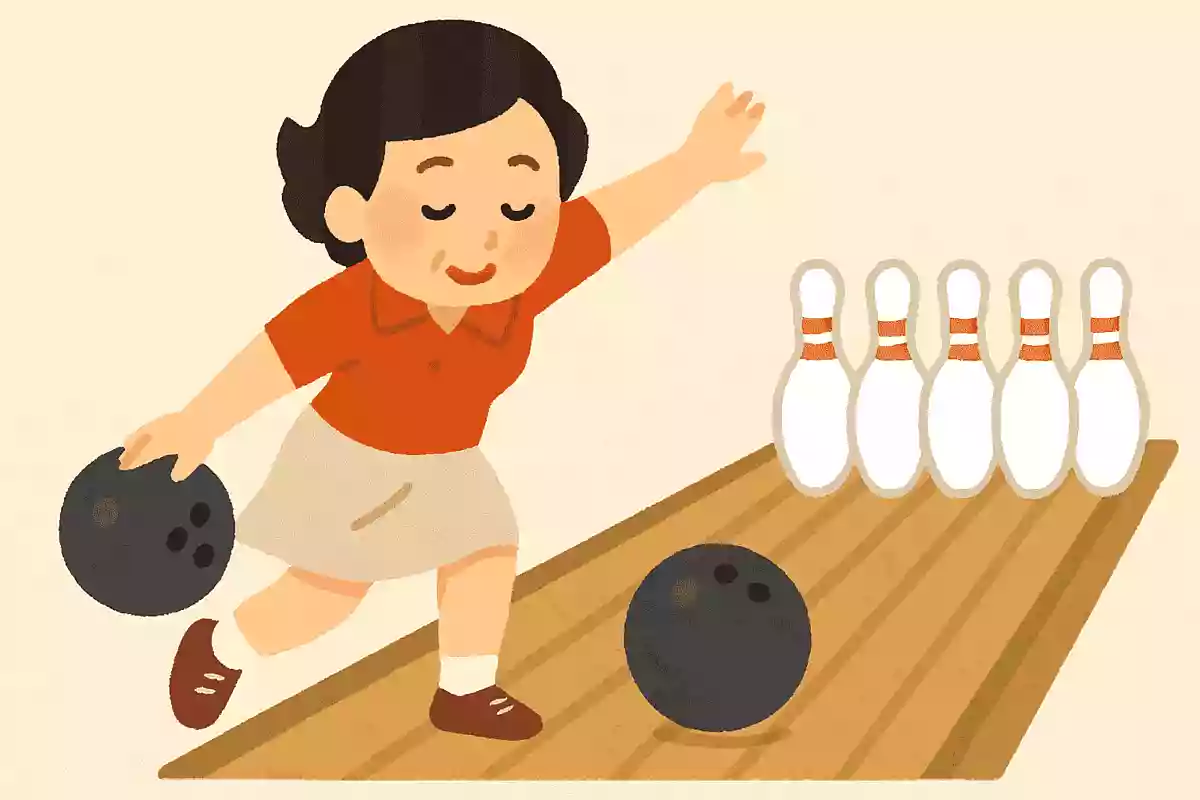
Speaking of the sport that sparked a huge boom centered in Tokyo in the 1970s, it’s bowling! Ritsuko Nakayama, Kayoko Suda, and Rie Ishii, who were immensely popular as beautiful professional bowlers, were known as the “Flower Trio,” and, unusually for athletes, continued their careers while appearing on seven regular weekly TV programs.
With its simple rule—roll the ball and knock down the pins—bowling has long been loved by people of all ages.
Some of you might fondly recall how obsessed you were with it in your younger days.

What was the summer women’s clothing that became popular from the late Taisho period to the early Showa period?
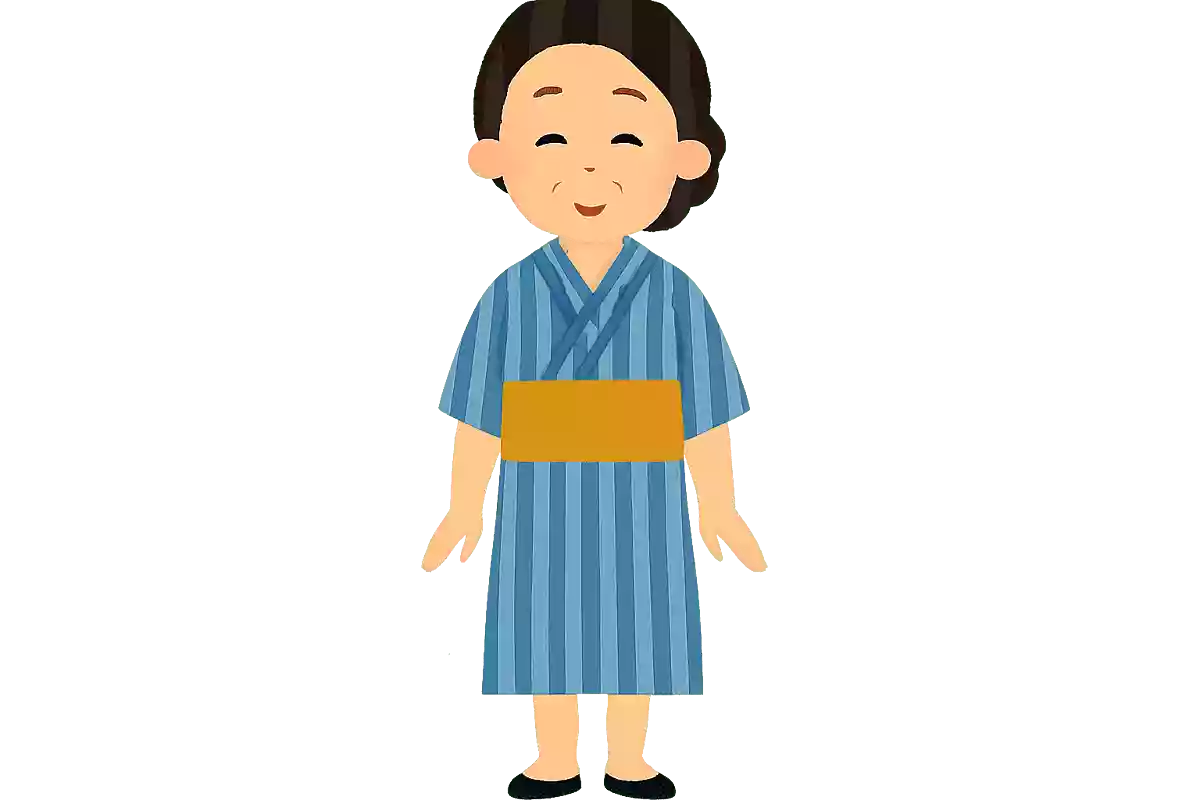
The name of the easy-to-throw-on women’s summer garment that was popular from the late Taisho to the early Showa period was “appappa.” It’s said to come from an Osaka dialect word that describes a skirt flaring out with a “pah.” These days, most fashion-related buzzwords trace their origins to foreign languages, so you can really feel the change of the times in the fact that this one comes from a domestic dialect.
In 1929, when Tokyo was hit by its worst heat wave in 40 years, the appappa also became wildly popular.
My grandmother still calls it an “appappa,” so there may still be people who use the term even now…
Around 1955 (Showa 30), what were the cafes in Japanese urban areas—where everyone sang together—called?
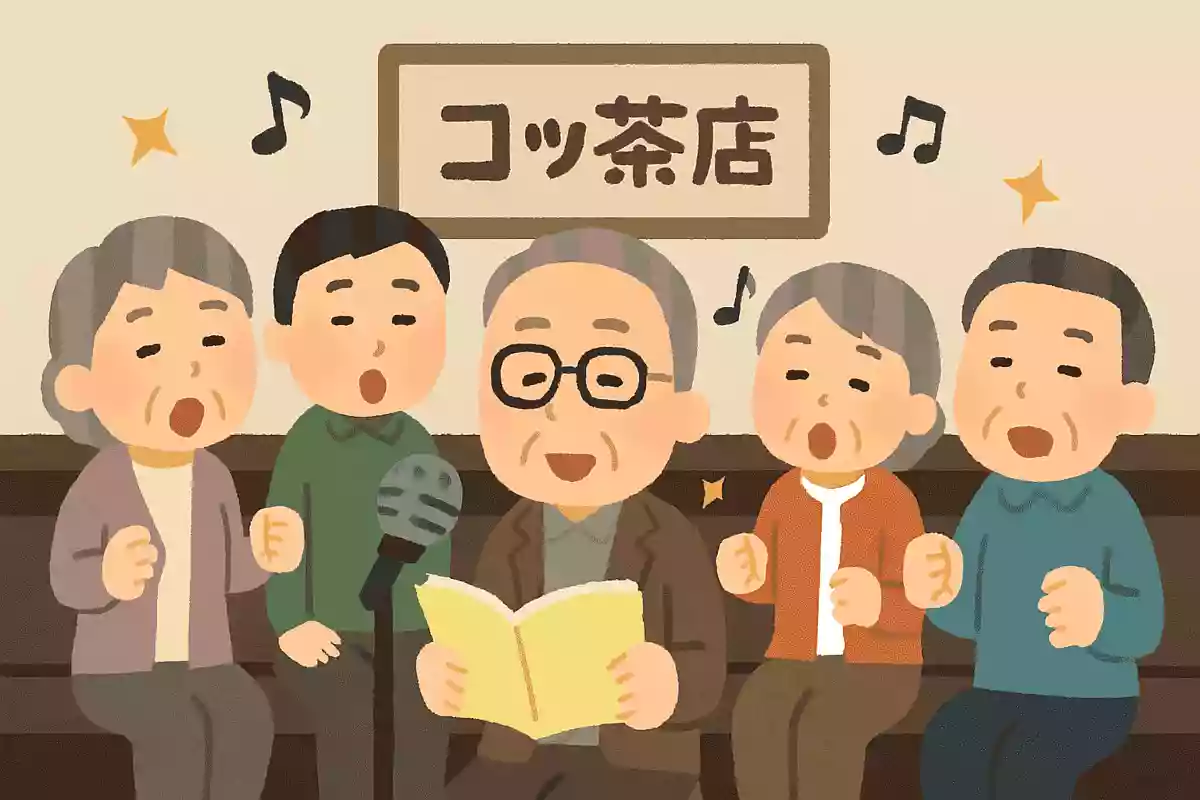
Songs that have always been close to people’s hearts are loved in various ways depending on the era.
Before karaoke boxes appeared, what were the cafes called—popular around the mid-1950s and spreading mainly in Japanese cities—where everyone would sing together? The name clearly evokes the scene of people layering their voices along with various instruments.
The answer is “utagoe kissa” (singing voice cafes).
It is said that as people layered their voices, a sense of solidarity grew, which had a significant impact on student and labor movements.

From a TV drama in 1958 (Showa 33), the hero ○○ Kamen appeared. This hero, who was popular among children at the time, is which ‘-Kamen’?
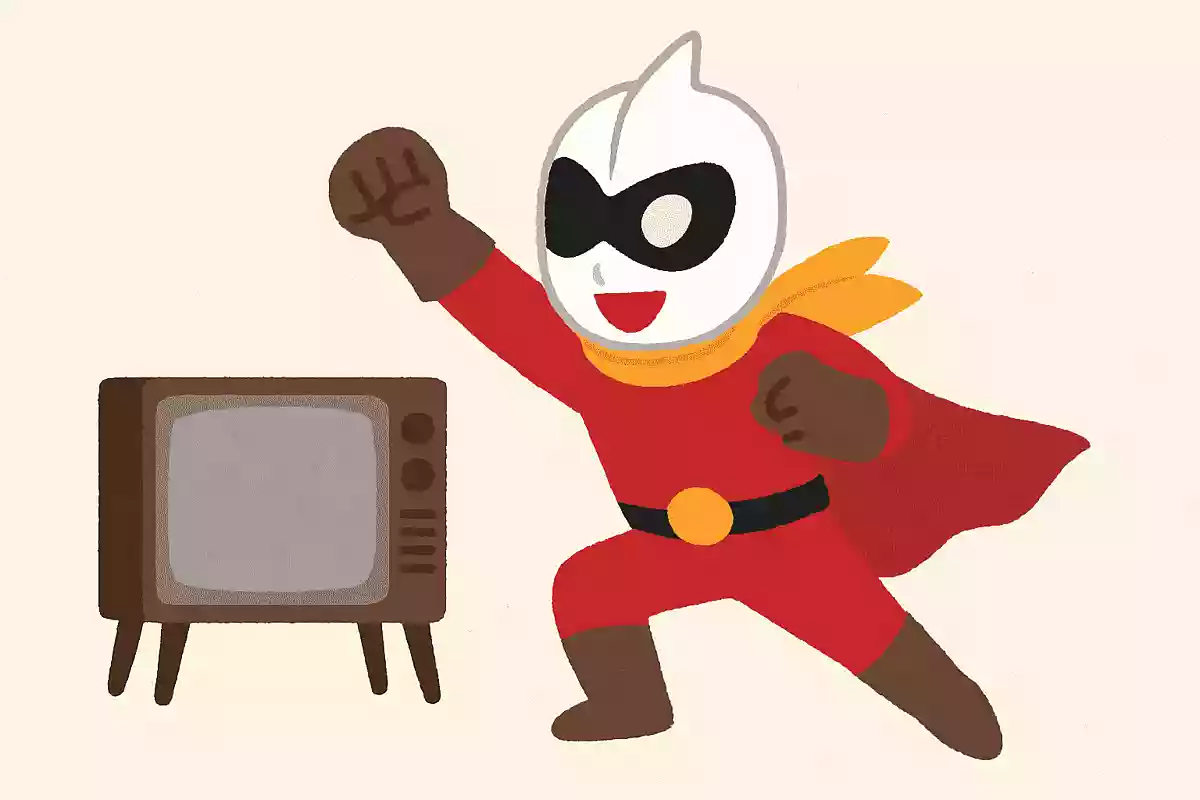
Speaking of heroes born from television dramas in 1958 (Showa 33), it has to be Gekko Kamen, who enjoyed overwhelming popularity among children at the time! Known as the pioneer of Japanese hero shows, its style—combining period-drama elements with detective storytelling—is said to have had a major influence on the hero programs that followed.
Gekko Kamen is a champion of justice who gallantly appears on a white motorcycle and fights evil organizations alongside the police.
It’s said that, inspired by this image, people later began calling police motorcycle units “Gekko Kamen.”
On the tables of cafés and eateries in the Showa era, there were small roulette-style vending machines. What kind of vending machines were they?

Back in the Showa era, many coffee shops and eateries had small roulette-style vending machines on their tables.
And what did they dispense? Fortune-telling results! You’d insert a coin and pull the lever, the roulette inside would spin, and a rolled-up slip of paper would come out.
In the late Showa 50s (the late 1970s to early 1980s), thanks to the combined boom of horoscopes and coffee shops, annual production of these mini machines reportedly exceeded 200,000 units.
I even remember seeing them in old Chinese restaurants after the Heisei era began, but nowadays they’ve become a rare sight.
What is the official name of the marble inside a bottle of ramune?
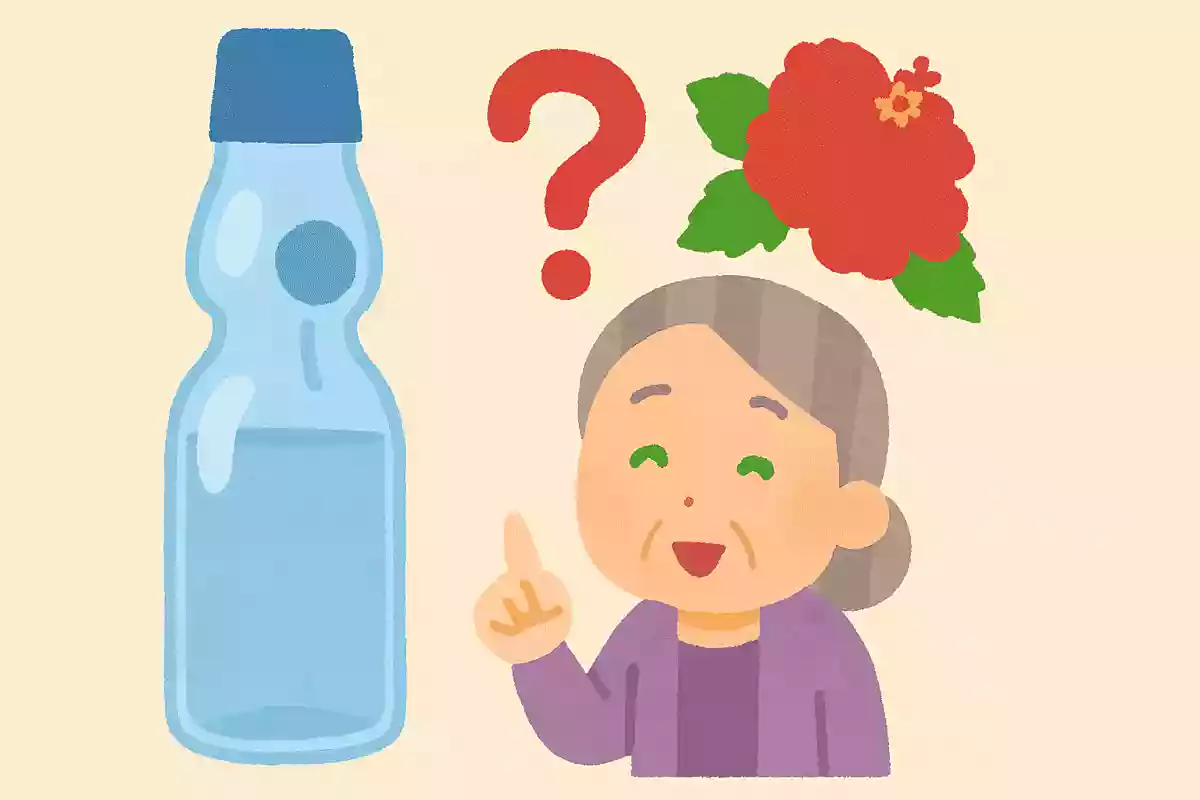
Ramune in glass bottles is a quintessential symbol of summer.
Drinking a well-chilled bottle of ramune on a hot summer day can blow the heat away.
Speaking of bottled ramune, its hallmark is the glass marble inside.
The official name of this marble is the “A-dama” (A marble).
Marbles that met the standard—specifically, those without any distortions that could be used as the bottle’s stopper—were called A-dama.
Those that didn’t meet the standard were called B-dama and became the toy marbles known as “bīdama.” Back when bottled ramune was first sold, many B-dama were produced, and shops that sold ramune would hand them out to children.
