

[For Seniors] Fun and Lively! Recommended Quiz Questions


How about quiz games like wordplay and riddles during recreation time at day service centers and other senior facilities? Puzzles that hide meanings in the arrangement, color, or orientation of letters, as well as riddles, are enjoyable brain teasers.
The answers often draw on familiar folk tales or everyday events, so seniors can experience that delightful “I get it!” moment of surprise and accomplishment when inspiration strikes.
The process of thinking stimulates the brain, and smiles and conversation naturally arise when the answer is revealed.
This time, we’ll introduce clever wordplay and riddle quizzes that are sure to get seniors excited and thinking, the kind that make you say, “Wow, that’s clever!”
- [For Seniors] Laugh-Out-Loud, Crowd-Pleasing! Fun Quiz
- [For Seniors] Lively Wordplay Game: Fun Recreation for Elderly Care
- [Brain Training] Lively Word Quiz for Seniors
- [For Seniors] Have Fun with Wordplay Characters! A Collection of Funny Puzzles
- [For Seniors] Fun and Educational True-or-False Quiz
- [For Seniors] Fun Riddles That Stimulate the Brain
- [For Seniors] Fun! Let’s Get Excited with Japan’s Number One Quiz
- [For Seniors] Fun Quiz Questions That Will Liven Up December
- For seniors: Fun, crowd-pleasing word association game ideas
- [For Seniors] Fun Recreational Activities Without Equipment
- [For Seniors] Perfect Brain Training! Fun Trivia
- [For Seniors] Recommended and Exciting! Brain-Teaser Quiz Collection
- [For Seniors] Recommended Trivia Quizzes & Fun Facts for November
Word & Kanji Quiz (11–20)
difficult/obscure kanji

Are there any kanji you’ve seen before but don’t know how to read, or that you remember incorrectly? Some people might even apply the reading of a similar-looking character.
Recently, quiz shows on TV have become more common, and difficult-to-read kanji are becoming a staple on those programs.
So let’s try posing some hard-to-read kanji to older adults as well.
Reading questions are easier to tackle than writing ones.
People who enjoy reading may even know some of the more difficult characters.
By getting tough questions right, they can also feel a sense of accomplishment.
And by learning previously unknown kanji and readings through quizzes, it can lead to the fun of gaining new knowledge.

Food Names Crossword Fill-in

Let’s jump in casually! Here are some ideas for a food-name cross fill-in puzzle.
It’s a quiz we’d love people with years of cooking experience or confidence in ingredient names to try.
Try making a cross fill-in with food names.
For example, imagine a 9-by-9 grid filled with hiragana, with the center square left blank.
When you put the correct hiragana into the center square, it completes two words—it’s a unique fill-in-the-blank puzzle! Getting the right answer will leave you feeling refreshed and satisfied, won’t it?
Obscure Kanji Quiz: Food

Let’s think based on the hints! Here are some ideas for a quiz on difficult food-related kanji.
With a focused theme, it’s easier to answer the questions.
This time, the theme is food: a quiz on hard-to-read kanji.
Even if you don’t get it right away, it’ll feel satisfying to reach the answer by relying on the hints.
For example, a word like “御田” is shown and you’re asked, “How do you read this kanji?” There are 20 questions in total.
The time limit is 10 seconds, but there are hints, so feel free to take on the challenge.
Onomatopoeia Quiz

This is a quiz about onomatopoeia that express various sounds and animal calls.
For example, a dog’s bark is “wan-wan,” snoring is “guu-guu,” and the sound of dry leaves is “gasa-gasa.” Let’s answer the onomatopoeia that fit each question.
However, this quiz doesn’t have just one correct answer.
Onomatopoeia are also a matter of personal perception, so people express what they feel in different ways.
If several answers come up, you can say things like, “That’s another way that sound could be expressed,” and the conversation will likely build from there.

Trivia and Fun Facts Quiz (1–10)
If you heat a certain item in the microwave, it will remove unpleasant odors inside. What is that item?
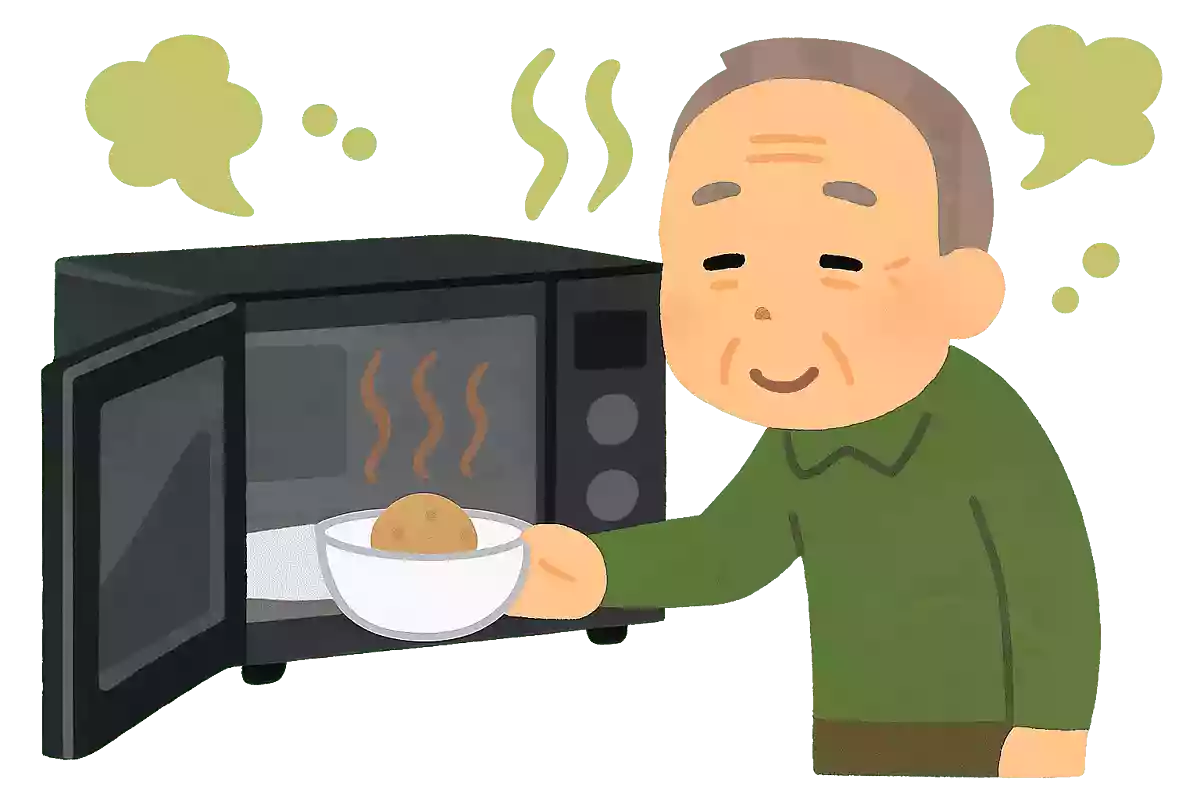
One home appliance that everyone uses is the microwave.
It’s a very convenient item, but since we put food in it, there’s the downside that it tends to get smelly.
We try cleaning it to get rid of the odor, but it can be hard to remove.
There’s a handy method to know for times like that.
Believe it or not, simply heating used tea leaves will eliminate the smell.
This works because of the catechins contained in tea.
By the way, if you leave the microwave closed for a few minutes after heating, it becomes even easier to remove the odor.

Scissors that have become dull can be revived by cutting something found in a household kitchen. What is that “something?”
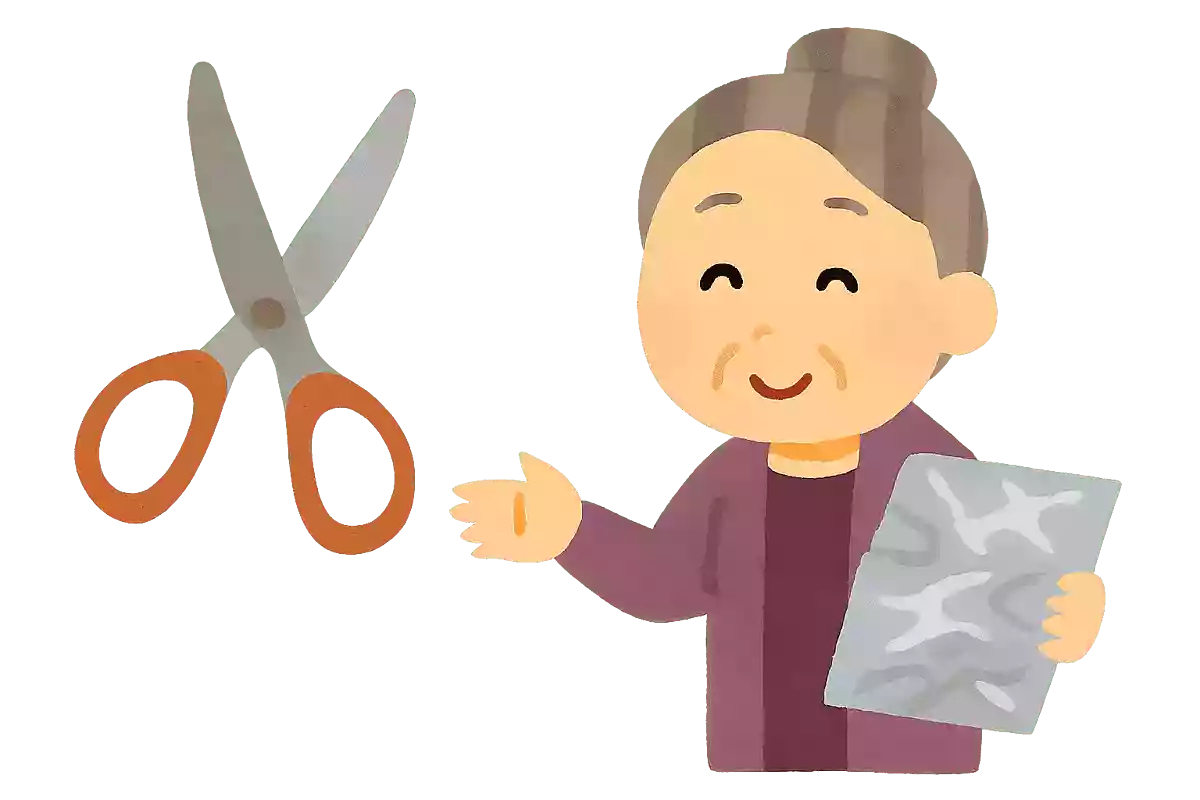
Scissors are stationery that everyone uses daily, but their sharpness inevitably dulls over time.
However, even dulled scissors can be easily revived just by cutting a common household item.
The hint is something from the kitchen: it’s made of metal, yet it can be cut with scissors—this should make it clear.
The answer is aluminum foil.
It’s said that a phenomenon occurs where the aluminum compensates for the worn parts of the scissors.
Since the effect is only temporary, it’s good to remember that properly sharpening them with tools is a more reliable solution.

The Arctic is part of the territories of eight countries, but which country does Antarctica belong to?

The Arctic, located at the northern end of the Earth along with its surrounding regions, is considered part of the territories of eight nearby countries.
So what about its opposite, Antarctica—whose territory does it belong to? The answer is “no country’s.” Under the Antarctic Treaty, claims of national sovereignty and military use are prohibited.
Twelve countries were the first to sign the Antarctic Treaty, and the number has gradually increased since then.
Learning about the conflicts over ownership that occurred before it was determined that Antarctica belongs to no nation may also deepen our interest in peace.