

[For Seniors] Fun and Lively! Recommended Quiz Questions


How about quiz games like wordplay and riddles during recreation time at day service centers and other senior facilities? Puzzles that hide meanings in the arrangement, color, or orientation of letters, as well as riddles, are enjoyable brain teasers.
The answers often draw on familiar folk tales or everyday events, so seniors can experience that delightful “I get it!” moment of surprise and accomplishment when inspiration strikes.
The process of thinking stimulates the brain, and smiles and conversation naturally arise when the answer is revealed.
This time, we’ll introduce clever wordplay and riddle quizzes that are sure to get seniors excited and thinking, the kind that make you say, “Wow, that’s clever!”
- [For Seniors] Laugh-Out-Loud, Crowd-Pleasing! Fun Quiz
- [For Seniors] Lively Wordplay Game: Fun Recreation for Elderly Care
- [Brain Training] Lively Word Quiz for Seniors
- [For Seniors] Have Fun with Wordplay Characters! A Collection of Funny Puzzles
- [For Seniors] Fun and Educational True-or-False Quiz
- [For Seniors] Fun Riddles That Stimulate the Brain
- [For Seniors] Fun! Let’s Get Excited with Japan’s Number One Quiz
- [For Seniors] Fun Quiz Questions That Will Liven Up December
- For seniors: Fun, crowd-pleasing word association game ideas
- [For Seniors] Fun Recreational Activities Without Equipment
- [For Seniors] Perfect Brain Training! Fun Trivia
- [For Seniors] Recommended and Exciting! Brain-Teaser Quiz Collection
- [For Seniors] Recommended Trivia Quizzes & Fun Facts for November
Japan Geography & Prefectures Quiz (21–30)
What is the name of the largest lake in Japan?
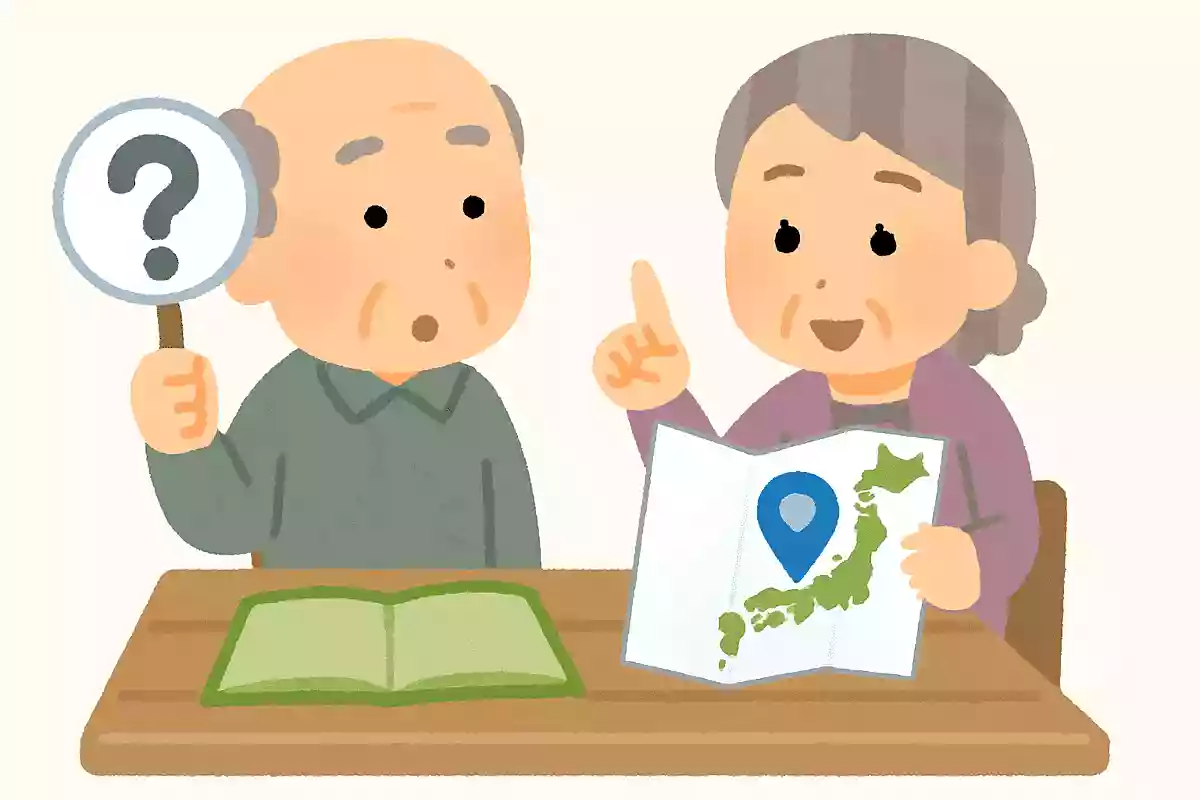
When you hear the word “lake,” what place comes to mind? The sound of the wind gently stroking the surface of the water, the sight of a pleasure boat gliding along.
Japan has many lakes, but do you know which one is the largest? This lake covers about 670 square kilometers and has long been affectionately known as the “Mother Lake.” It’s located in the Kinki region, right next to Kyoto, and has historically played a vital role in transportation and daily life.
It’s also rich in nature, offering beautiful scenery in every season.
In the lakeside towns, you can enjoy traditional streetscapes and festivals held on boats.
Japan’s largest lake is Lake Biwa, located in Shiga Prefecture.

Which prefecture is famous for Kinkaku-ji and Nijo Castle?
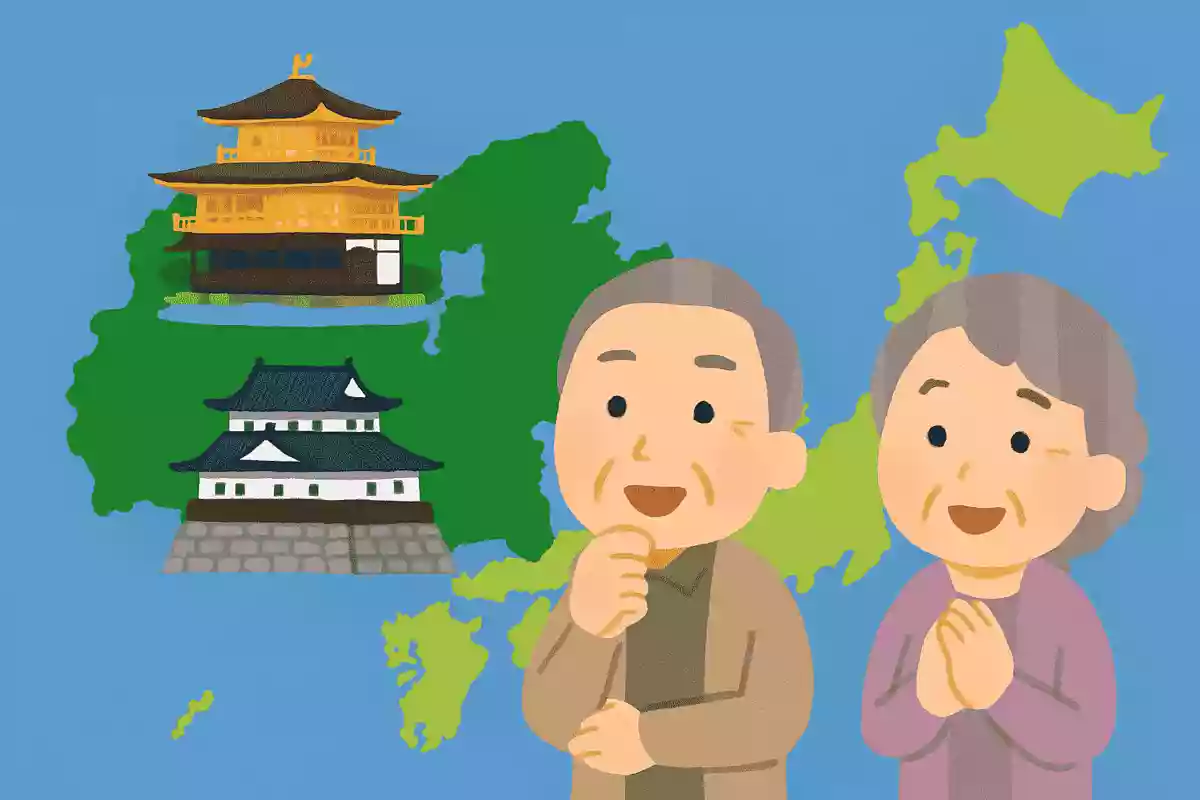
When you think of a golden temple, what place comes to mind? The ever-popular Kinkaku-ji (the Golden Pavilion), beloved by history buffs and tourists alike, and Nijo Castle, which is also a UNESCO World Heritage site.
Both are famous landmarks in a certain ancient capital.
This prefecture is packed with Japan’s history and culture.
It has the Imperial Palace where past emperors resided, and the town still retains people in kimono and traditional wooden townhouses.
Just walking around makes you feel as if you’ve slipped back in time.
The seasonal beauty is also a draw—cherry blossoms in spring, vibrant foliage in autumn, and the Gion Festival in summer.
There are plenty of local specialties too, like wagashi (Japanese sweets), matcha, and pickles, making it a place you can enjoy visiting again and again.
The answer is Kyoto Prefecture.
Showa Retro: Nostalgia Quiz (1–10)
In 1969, a certain American rocket made the first human landing on the moon. What was the name of that rocket?
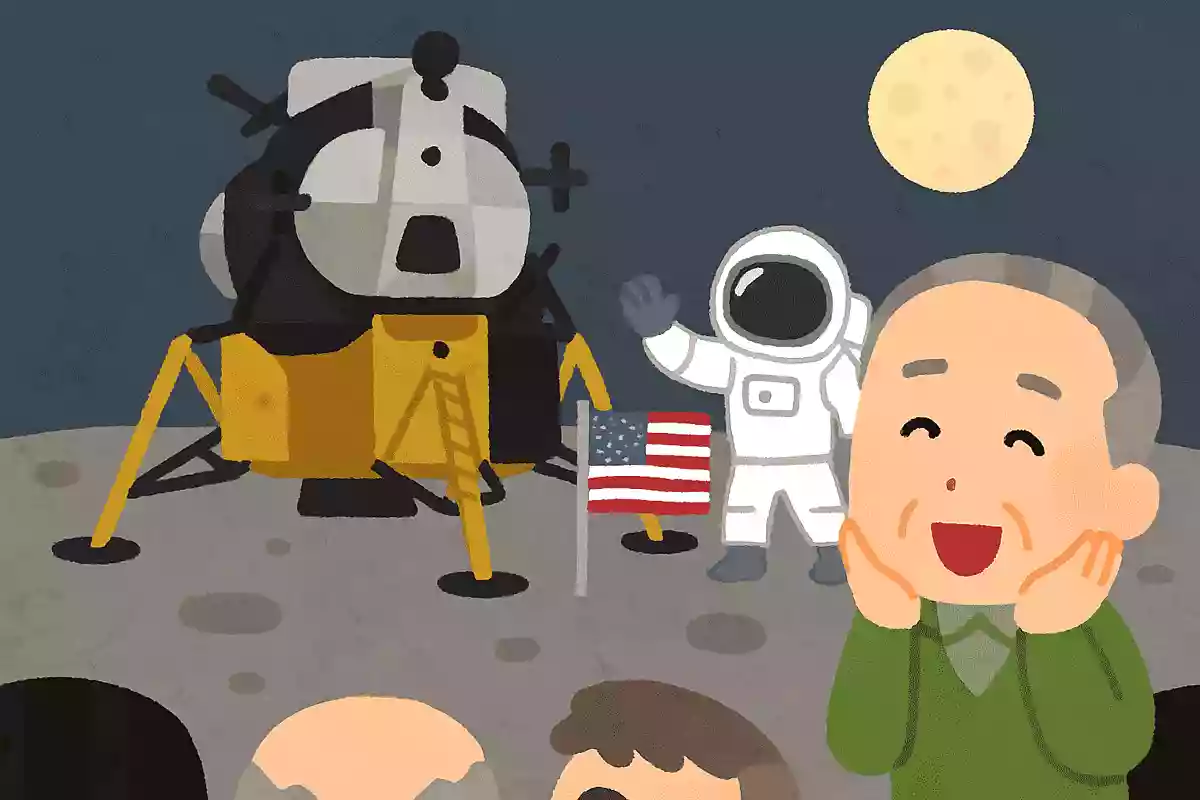
Speaking of the American rocket that achieved humanity’s first successful Moon landing in 1969, it has to be Apollo 11! Seeing the portraits of the three crew members who launched from Kennedy Space Center, or the photo of Commander Neil Armstrong’s first human footprint on the Moon, might bring back memories of the excitement of that time.
Using a quiz as a springboard, why not reminisce about that historic achievement that inspired so many dreams and enjoy sharing stories of the past?

In 1970 (Showa 45), the local call charge for public telephones became 10 yen for 3 minutes. What had the pricing structure been like before that?
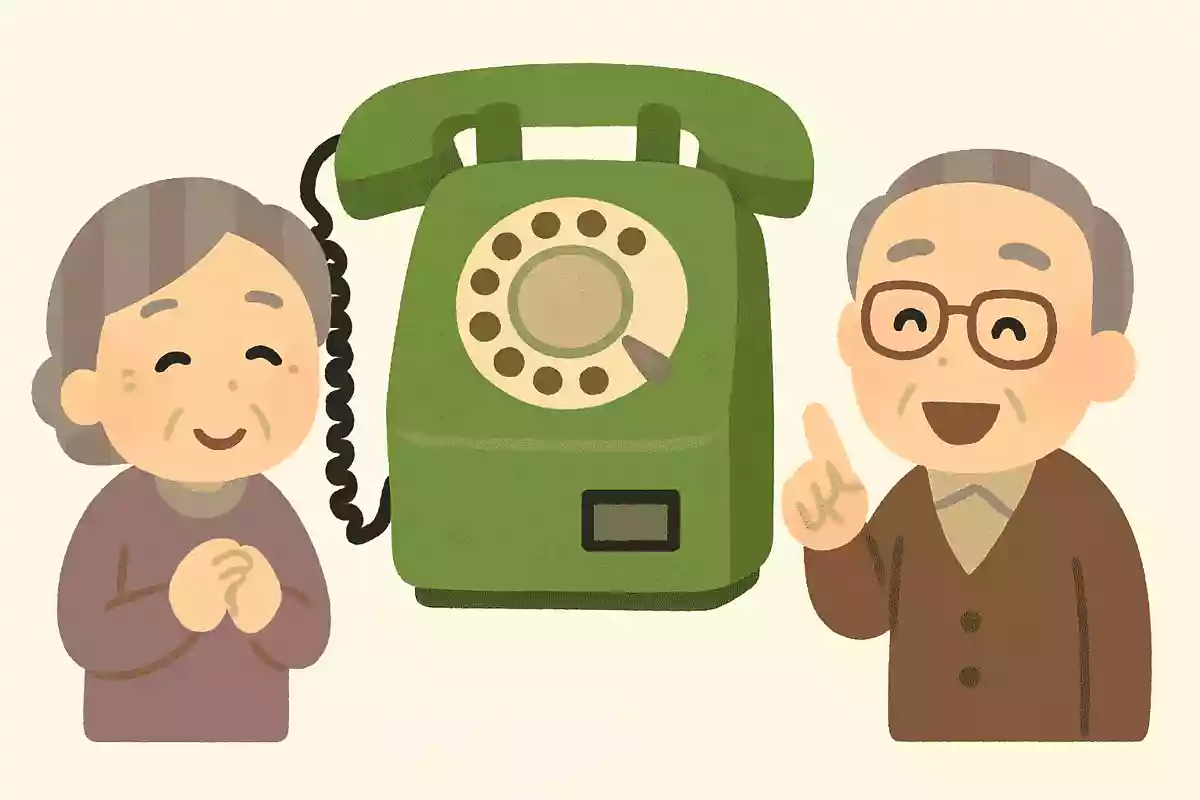
Public telephones used to be essential for making calls while out and about, but as time has gone on, we see them less and less.
Because opportunities to use them have decreased, many of us may no longer have a clear sense of the cost, but the rate is set at 10 yen for three minutes.
That “10 yen for three minutes” rate was introduced in 1970; before that, the pricing was different.
So what was the rate before 1970? The answer is “10 yen per call.” As long as you paid 10 yen, there was no time limit—your call would stay connected without worrying about the duration.
It’s worth noting the anecdote that many people would monopolize the phone for long periods because of this.

Which singer performed “Nagasaki no Kane” and served as the White Team’s final act in the first Kōhaku Uta Gassen?
The first ever Kōhaku Uta Gassen took place on January 3, 1951 (Showa 26).
The honor of closing for the White Team in this landmark first event went to Ichirō Fujiyama, who performed one of his signature songs, “Nagasaki no Kane” (The Bells of Nagasaki).
Other performers included Hamako Watanabe with “San Francisco no Chinatown” and Toshiro Oumi with “Yunomachi Elegy,” among others.
Popular songs can vividly bring back memories of events from that time.
Along with using them in a quiz, it might be nice to play a few songs and reminisce together.
From the late 1950s to the 1960s in the Showa era, a certain indoor sport became extremely popular. What sport was it?
The sport in question—many older people might say they used to play it often, especially with the recent boom—what could it be? Here are some hints: it’s a sport that uses a heavy ball, and you throw that ball toward a specific target.
The answer is bowling! At the time, there were over 3,500 bowling alleys nationwide, and many people owned their own shoes and balls.
Numerous star players emerged as well, such as Kayoko Suda and Ritsuko Nakayama.

What does the “punch” in a punch perm refer to?
This may seem sudden, but what exactly does the “punch” in “punch perm” mean? The answer is: it’s the name of a magazine called Heibon Punch.
The punch perm, a short hairstyle with tight, firm curls, was devised by a barber in Kitakyushu in the 1970s.
A barber-supply company in the Kansai region then named it “punch perm,” borrowing the name from the hugely popular magazine Heibon Punch at the time.
With its intimidating look and the fact that it doesn’t lose shape easily even in a fight, the punch perm became especially popular among tough-looking types.
Fittingly, its origin story packs a punch too!
