

[For Seniors] Fun and Lively! Recommended Quiz Questions


How about quiz games like wordplay and riddles during recreation time at day service centers and other senior facilities? Puzzles that hide meanings in the arrangement, color, or orientation of letters, as well as riddles, are enjoyable brain teasers.
The answers often draw on familiar folk tales or everyday events, so seniors can experience that delightful “I get it!” moment of surprise and accomplishment when inspiration strikes.
The process of thinking stimulates the brain, and smiles and conversation naturally arise when the answer is revealed.
This time, we’ll introduce clever wordplay and riddle quizzes that are sure to get seniors excited and thinking, the kind that make you say, “Wow, that’s clever!”
- [For Seniors] Laugh-Out-Loud, Crowd-Pleasing! Fun Quiz
- [For Seniors] Lively Wordplay Game: Fun Recreation for Elderly Care
- [Brain Training] Lively Word Quiz for Seniors
- [For Seniors] Have Fun with Wordplay Characters! A Collection of Funny Puzzles
- [For Seniors] Fun and Educational True-or-False Quiz
- [For Seniors] Fun Riddles That Stimulate the Brain
- [For Seniors] Fun! Let’s Get Excited with Japan’s Number One Quiz
- [For Seniors] Fun Quiz Questions That Will Liven Up December
- For seniors: Fun, crowd-pleasing word association game ideas
- [For Seniors] Fun Recreational Activities Without Equipment
- [For Seniors] Perfect Brain Training! Fun Trivia
- [For Seniors] Recommended and Exciting! Brain-Teaser Quiz Collection
- [For Seniors] Recommended Trivia Quizzes & Fun Facts for November
Season and Event Quiz (1–10)
If Obon arrives before the 49th day (after the passing), when will the first Obon (shinbon) be?
The period from the date of death through the forty-ninth day is called “kicho” (a time of mourning), during which one grieves for the deceased and observes mourning.
If Obon occurs before the forty-ninth day, when this mourning period ends, when is the first Obon (hatsu-bon)? The answer is: during the Obon of the following year after the person’s death.
It is customary not to hold the first-Obon memorial that same year.
If someone brings offerings thinking it is the first Obon, it is generally acceptable to receive the offerings and explain that the first Obon will be held the following year.
This is one of the points of knowledge about Obon, including how to handle such situations.

From which era does the summer event ‘Kimodameshi’ (test of courage) originate as a cultural practice?
The test of courage (kimodameshi) was often held on summer nights.
Nowadays, many places, such as amusement parks, have kimodameshi areas as attractions.
It is said that kimodameshi began in the Heian period.
In the historical tale Ōkagami (The Great Mirror), there is a story resembling a “test of courage,” in which Emperor Kazan sends his vassals, including Fujiwara no Michinaga, to places reputed to be frightening to test their nerve.
Among the aristocrats of the Heian period, it was widely believed that spirits and demons truly existed, and ominous events were thought to arise from them.
It is said that, for people in those times, a test of courage was a life-risking undertaking.

What is the food offering that symbolizes a rope for tying up the belongings that the returned ancestors will take back with them?
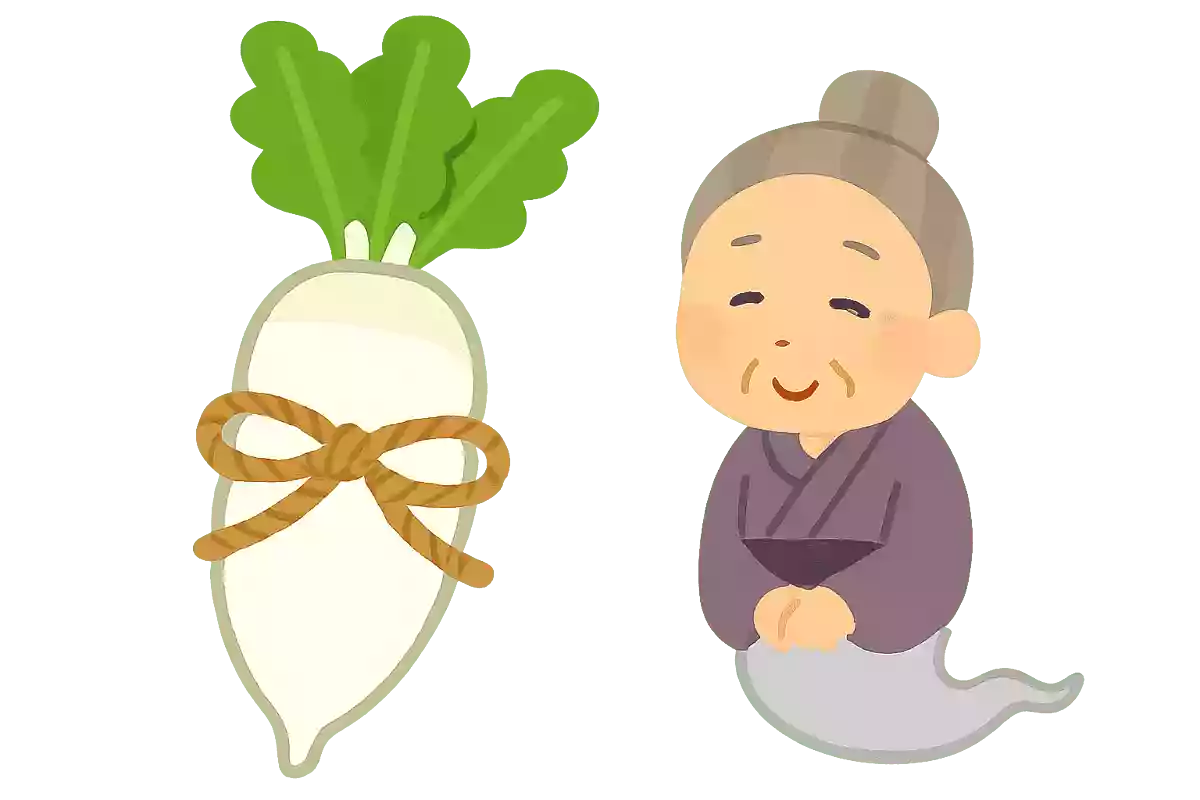
Somen noodles, which we often enjoy in the peak of summer, are connected to an Obon-related custom.
Let’s liven things up with an Obon quiz featuring somen! Please ask: “What food is offered as a symbol of a cord for tying up the luggage that returning ancestors will take back with them?” The surprising answer is somen.
During Obon, ancestors who return to this world receive many offerings.
There’s a legend that somen is used as the cord to bundle those offerings.
With this bit of Obon trivia, you’ll have something to proudly share with your family!

What kind of wishes are imbued in Kashiwa-mochi?
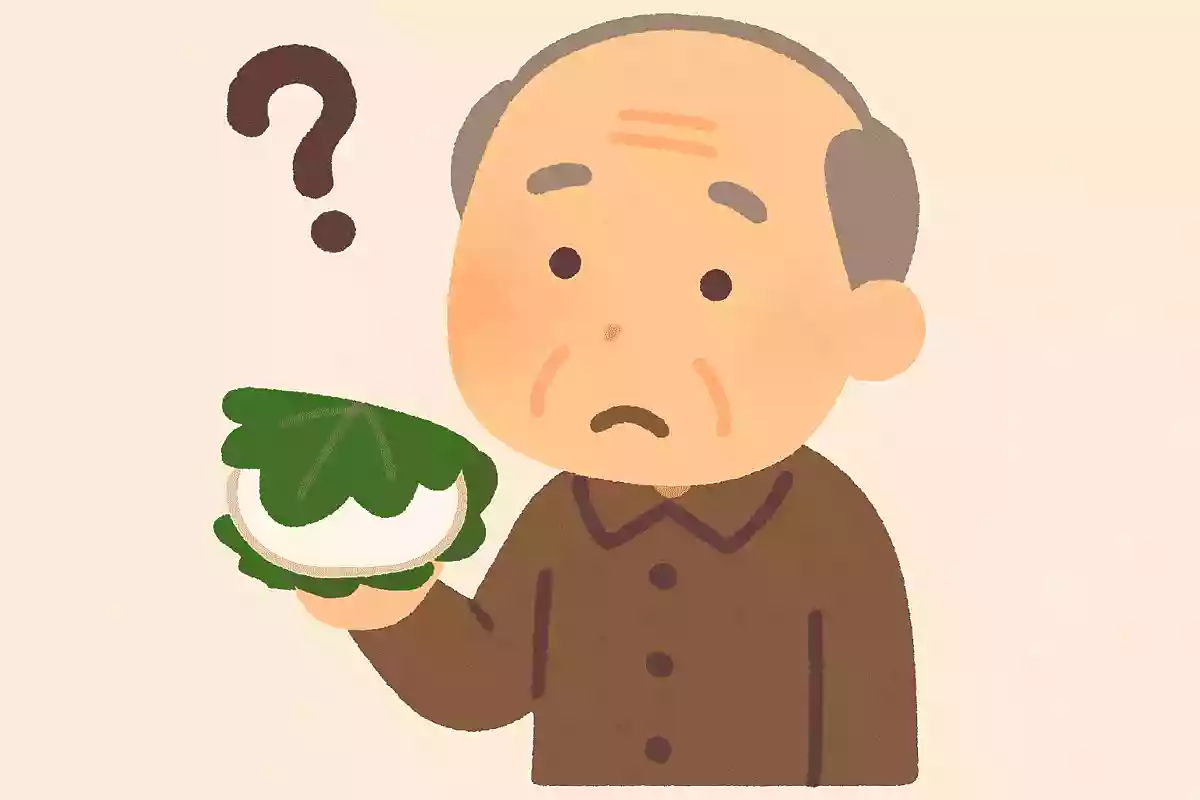
Children’s Day, a holiday that wishes for children’s healthy growth, is perhaps the most representative holiday of May.
On this day, we express our celebratory feelings with various foods such as kashiwa mochi, chimaki, and chirashi-zushi.
These foods are not only seasonally appropriate, but also carry meanings connected to Children’s Day.
Even kashiwa mochi, the quintessential Children’s Day sweet, has a special significance.
Because oak trees and their leaves are said not to shed old leaves until new buds emerge, kashiwa mochi symbolizes meanings such as “unbroken family lineage” and “prosperity of descendants.”
This event, held in Kyoto every year on August 16th, involves lighting fires on the mountains in the sequence of “Daimonji,” “Myoho,” “Funagata,” “Hidari Daimonji,” and “Toriigata.” What is this event called?
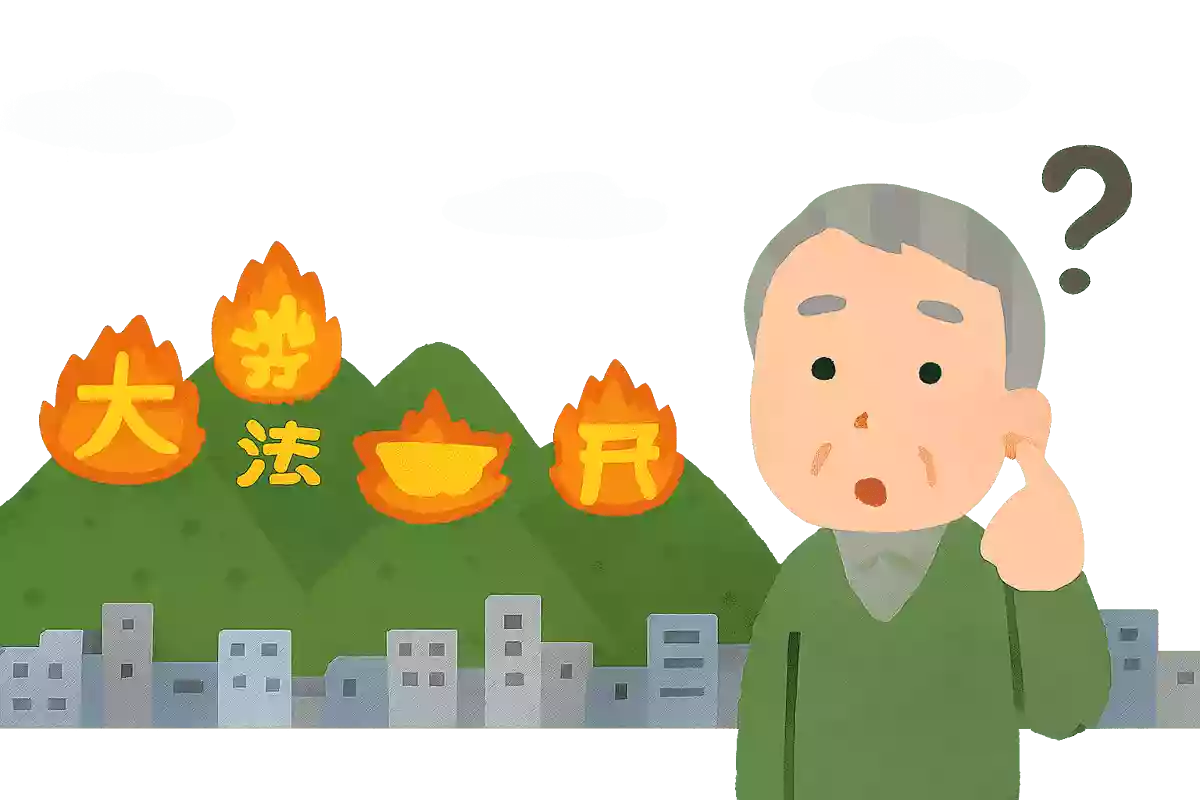
What is the name of the event in which fires are lit on the mountains in Kyoto every year on August 16, in the order of “Daimonji,” “Myōhō,” “Funagata,” “Hidari Daimonji,” and “Toriigata”? The answer is “Gozan no Okuribi.” It is a famous traditional summer event in Kyoto, held to send off the spirits of Obon.
Every year, many people visit Kyoto as tourists to see this event.
It is often broadcast on television, and the characters of fire flickering in the darkness are beautiful and feel very powerful.
It’s an Obon event that many would want to see at least once.

Seasonal Events Quiz (11–20)
What is the moon-viewing event called where one observes a moon slightly waning from full—also known as “Mame Meigetsu” (Bean Harvest Moon) or “Imo Meigetsu” (Potato Harvest Moon)?
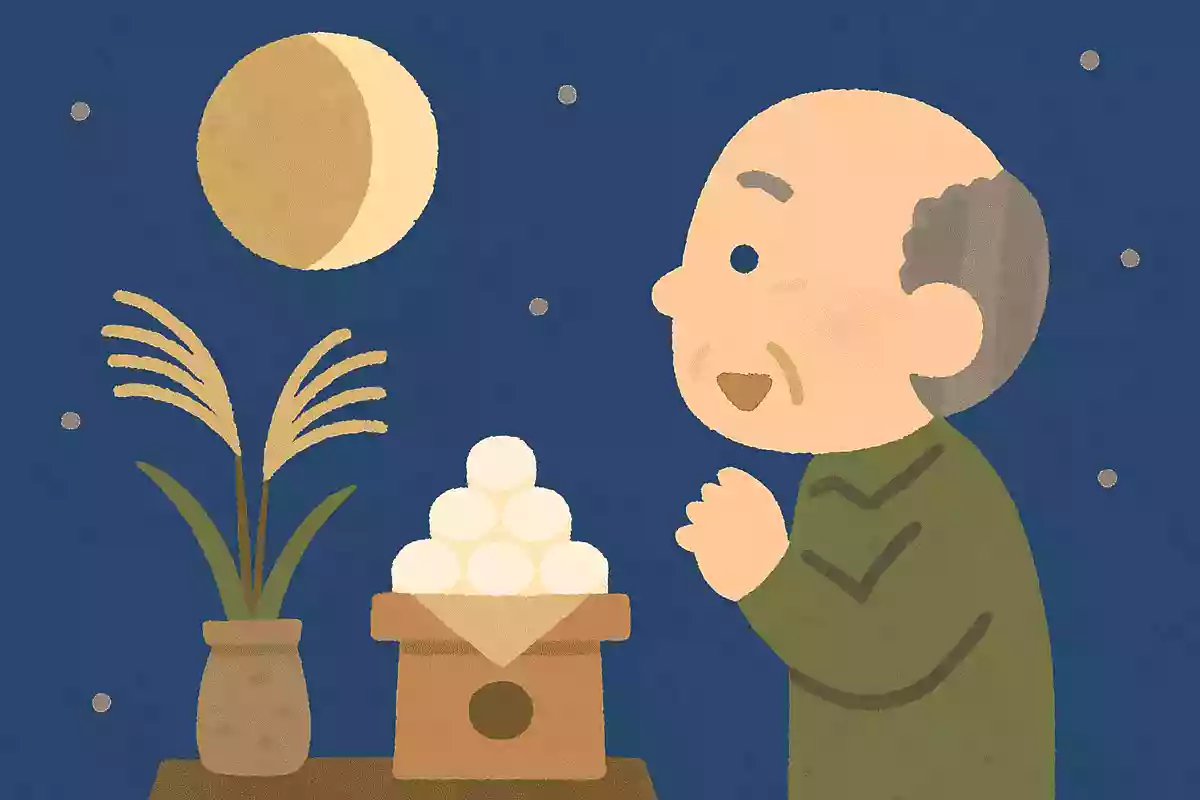
What do you call the moon-viewing custom of observing the moon just slightly waning from full—also known as the “Bean-Viewing Moon” or “Taro-Viewing Moon”? The answer is “Jūsan-ya,” or the Night of the Thirteenth Moon.
When it comes to moon viewing, the fifteenth night in September is well known, but there is actually another moon-viewing tradition around October—this is Jūsan-ya.
The fifteenth night custom came from China, while Jūsan-ya is a Japanese tradition.
Both involve enjoying the beauty of the moon, but Jūsan-ya carries the meaning of giving thanks for the autumn harvest.
If you missed the September moon viewing, why not enjoy Jūsan-ya instead?
May 2 is the anniversary of a beverage familiar to Japanese people. What anniversary is it?
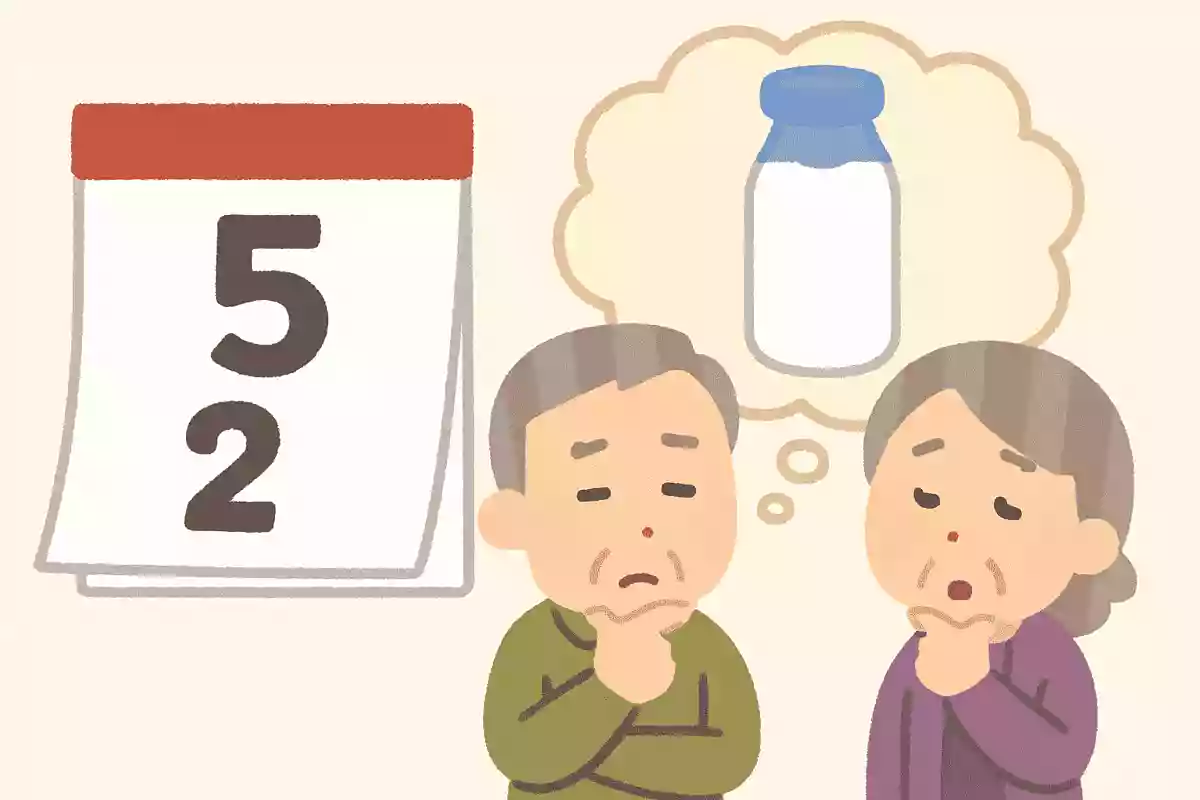
Among the days of Golden Week, focusing on the parts that aren’t national holidays might help us feel more connected to the break.
Let’s think about the commemorative day that falls on the day before those clustered holidays—May 2.
Considering that this is the season when greenery gradually deepens, and that about three months have passed since the time called Risshun (the beginning of spring), you might guess the answer.
The timing 88 days after Risshun marks the new tea season, and since May 2 falls close to that period, it has been designated as Green Tea Day.