

[For Seniors] Fun and Lively! Recommended Quiz Questions


How about quiz games like wordplay and riddles during recreation time at day service centers and other senior facilities? Puzzles that hide meanings in the arrangement, color, or orientation of letters, as well as riddles, are enjoyable brain teasers.
The answers often draw on familiar folk tales or everyday events, so seniors can experience that delightful “I get it!” moment of surprise and accomplishment when inspiration strikes.
The process of thinking stimulates the brain, and smiles and conversation naturally arise when the answer is revealed.
This time, we’ll introduce clever wordplay and riddle quizzes that are sure to get seniors excited and thinking, the kind that make you say, “Wow, that’s clever!”
- [For Seniors] Laugh-Out-Loud, Crowd-Pleasing! Fun Quiz
- [For Seniors] Lively Wordplay Game: Fun Recreation for Elderly Care
- [Brain Training] Lively Word Quiz for Seniors
- [For Seniors] Have Fun with Wordplay Characters! A Collection of Funny Puzzles
- [For Seniors] Fun and Educational True-or-False Quiz
- [For Seniors] Fun Riddles That Stimulate the Brain
- [For Seniors] Fun! Let’s Get Excited with Japan’s Number One Quiz
- [For Seniors] Fun Quiz Questions That Will Liven Up December
- For seniors: Fun, crowd-pleasing word association game ideas
- [For Seniors] Fun Recreational Activities Without Equipment
- [For Seniors] Perfect Brain Training! Fun Trivia
- [For Seniors] Recommended and Exciting! Brain-Teaser Quiz Collection
- [For Seniors] Recommended Trivia Quizzes & Fun Facts for November
Seasonal Events Quiz (11–20)
What color are the lanterns used during the first Obon (shinbon)?

Shinbon (the first Bon) refers to the first Obon observed after a person has passed away.
More precisely, it is the first Obon that comes after the forty-ninth day memorial period has ended, and the name varies by region—such as “shinbon” or “arabon.” During the first Obon only, a white lantern called “hakumonten” is displayed.
The reason is to serve as a marker so that the spirit of the deceased, returning for the first time, does not lose its way.
Some older adults may already know this, but since it’s very informative, why not turn it into a quiz to help people feel the season?

Japanese Geography & Prefecture Quiz (1–10)
There are four prefecture names that contain the names of animals. Which ones are they?

This is a simple quiz where you think of prefecture names that include animal names.
You probably know all of these places, so the key is how quickly the prefecture names come to mind.
If you go through them in order, you should be able to arrive at some of them, but if you get stuck, use each area as a hint.
The answers are Gunma, Tottori, Kumamoto, and Kagoshima.
It could be fun to reminisce about your memories of each place as well.

Which prefecture has the most Shinto shrines in Japan and is famous for hegi soba, a type of soba made with seaweed?
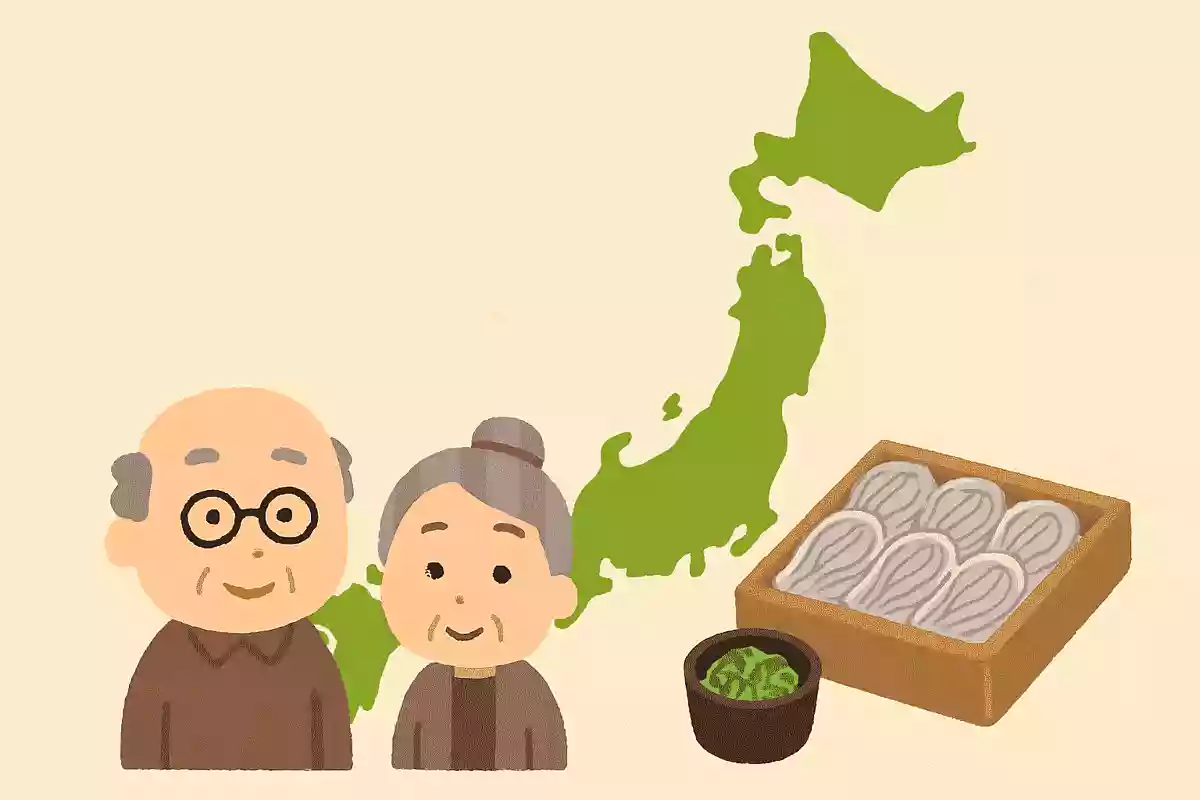
The prefecture with the most Shinto shrines in Japan is Niigata.
During the Meiji era, Niigata had the largest population in Japan: while Tokyo had 1.3 million people, Niigata Prefecture had about 1.6 million.
Reasons cited include its status as one of Japan’s leading rice-producing regions, which concentrated agricultural workers there, and the presence of port calls where ships stopped during voyages—both factors that contributed to a large population.
As the population grew, the number of shrines also increased.
There are, however, various other theories about why there are so many shrines.
Hegisoba is characterized by the use of seaweed as a binding agent.
It’s a familiar type of soba for Niigata residents, with Ojiya City and Tokamachi City serving as its two major meccas.

Please name all four prefectures in the Shikoku region.
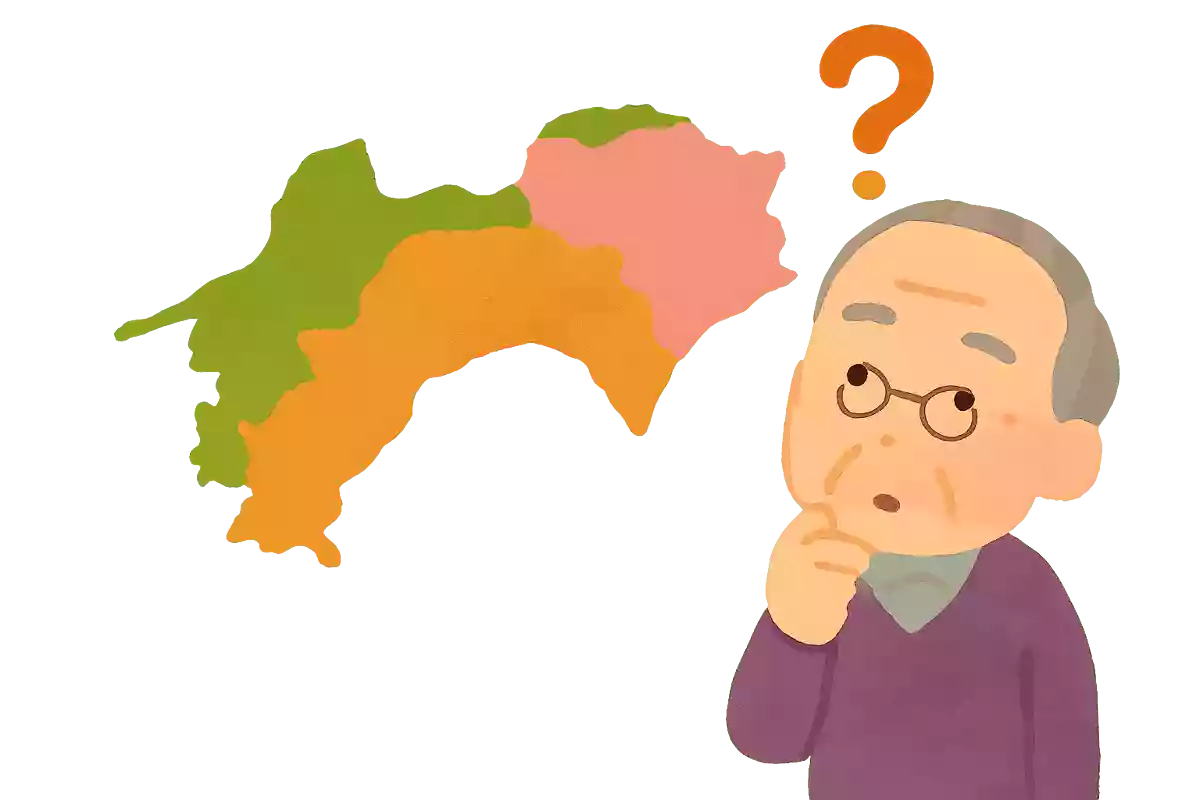
Let’s try naming all the prefectures in the Shikoku region.
The answers are Tokushima, Kagawa, Ehime, and Kochi.
Some of you might kind of remember them, but it can be hard to list all four.
In that case, try giving hints like each prefecture’s specialties or tourist spots.
For example, for Kochi you could mention skipjack tuna, Sakamoto Ryoma, or the Shimanto River; for Ehime, mandarins, Imabari towels, or Dogo Onsen.
Having hint images can also help older adults who have difficulty going out feel as if they’ve gone on an outing.
What is the name of the longest river in Japan that flows across Nagano and Niigata Prefectures?
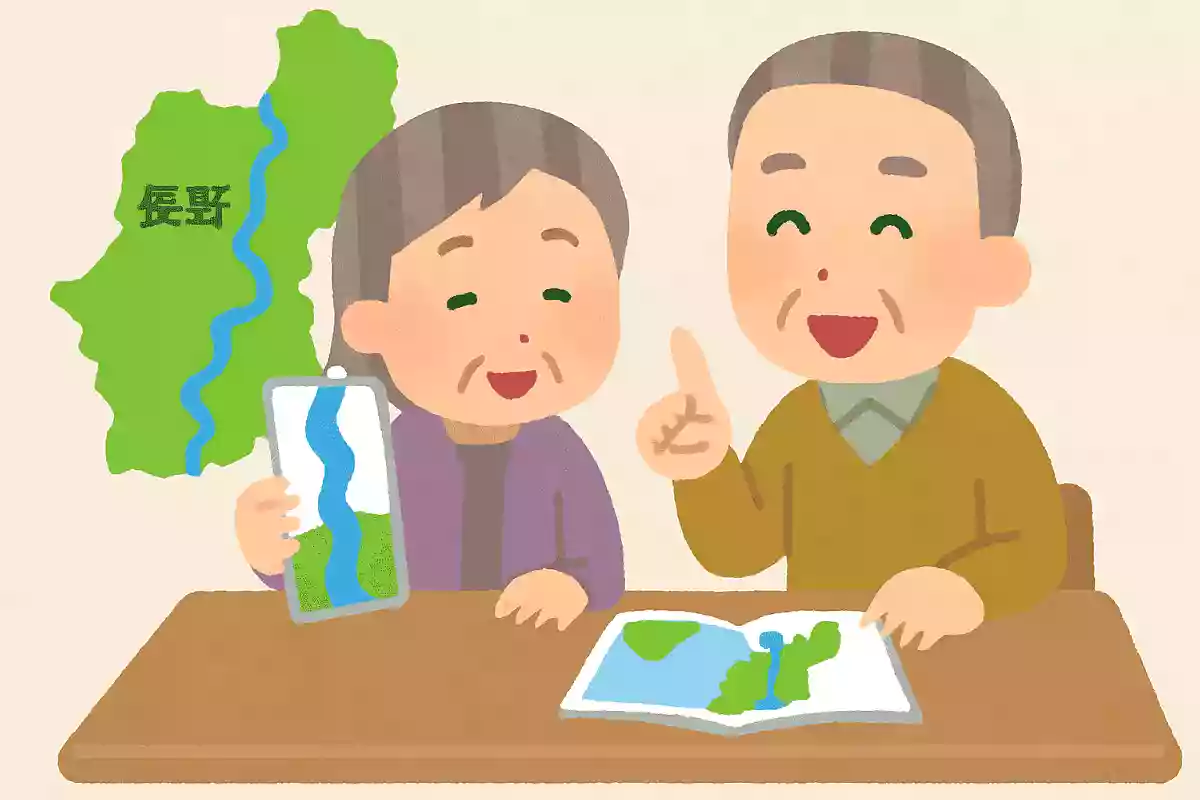
The longest river in Japan is the Shinano River.
It flows across Nagano and Niigata Prefectures; in Nagano it’s called the Chikuma River, and at the border with Niigata it changes its name to the Shinano River.
There are various theories about the origin of the name Chikuma, but it’s said to come from the fact that, as the name suggests, there are sections where the river bends a lot.
By the way, the longest river in Japan, the Shinano River, is 367 kilometers long, and the second longest, the Tone River, is 322 kilometers.
The length of the Shinano River is about the same as the distance from Tokyo Station to Nagoya Station.
Trivia like this could be used in quizzes with seniors to help broaden everyone’s knowledge.
November 2 is Conveyor Belt Sushi Day. In which prefecture is the restaurant located that first opened a conveyor belt sushi shop in the world?

November 22 is widely known as Good Couple Day in Japan, but it’s also Conveyor Belt Sushi Day.
It was established in honor of the birthday of Yoshiaki Shiraishi, the chairman of “Mawaru Genroku Sushi,” who invented conveyor belt sushi.
Although conveyor belt sushi is now familiar to everyone, its origins go back further than you might expect: the first restaurant opened in 1958 in Higashi-Osaka, Osaka Prefecture.
Later, when “Mawaru Genroku Sushi” exhibited at the 1970 Osaka Expo, it became hugely popular, and conveyor belt sushi spread nationwide.
Which prefecture are the Ogasawara Islands in?
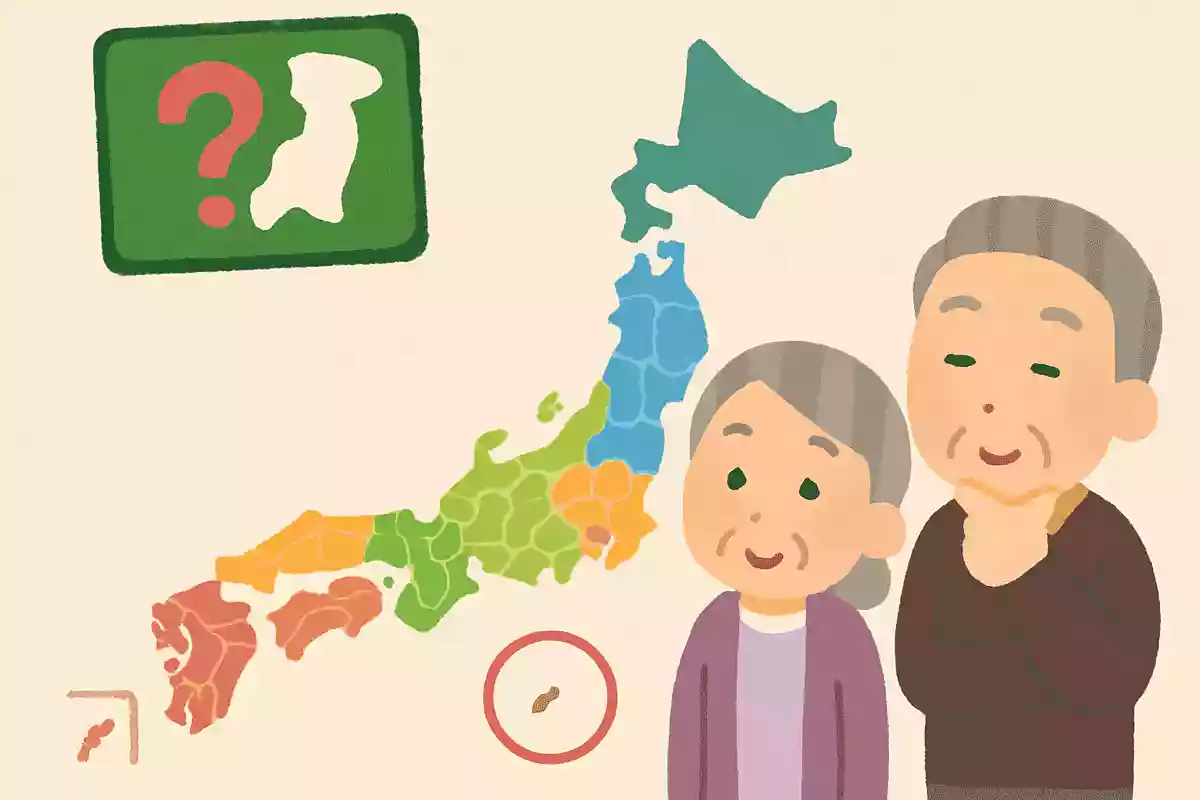
The Ogasawara Islands are the administrative area of Ogasawara Village in Tokyo.
The term “Ogasawara Islands” refers collectively to islands such as Chichijima, Iwo Jima, and Okinotorishima, which lie about 1,000 kilometers south of Tokyo in the Pacific Ocean.
Although it is said that the Ogasawara Islands were discovered in 1593, they had no permanent residents and remained uninhabited for roughly 17 years until 1830.
Because these islands have been isolated by the sea and have never been connected to a continent since their formation, they have developed many unique ecosystems through independent evolution.
For this reason, they were inscribed as a UNESCO World Natural Heritage site in 2011.
