

[For Seniors] Fun and Lively! Recommended Quiz Questions


How about quiz games like wordplay and riddles during recreation time at day service centers and other senior facilities? Puzzles that hide meanings in the arrangement, color, or orientation of letters, as well as riddles, are enjoyable brain teasers.
The answers often draw on familiar folk tales or everyday events, so seniors can experience that delightful “I get it!” moment of surprise and accomplishment when inspiration strikes.
The process of thinking stimulates the brain, and smiles and conversation naturally arise when the answer is revealed.
This time, we’ll introduce clever wordplay and riddle quizzes that are sure to get seniors excited and thinking, the kind that make you say, “Wow, that’s clever!”
- [For Seniors] Laugh-Out-Loud, Crowd-Pleasing! Fun Quiz
- [For Seniors] Lively Wordplay Game: Fun Recreation for Elderly Care
- [Brain Training] Lively Word Quiz for Seniors
- [For Seniors] Have Fun with Wordplay Characters! A Collection of Funny Puzzles
- [For Seniors] Fun and Educational True-or-False Quiz
- [For Seniors] Fun Riddles That Stimulate the Brain
- [For Seniors] Fun! Let’s Get Excited with Japan’s Number One Quiz
- [For Seniors] Fun Quiz Questions That Will Liven Up December
- For seniors: Fun, crowd-pleasing word association game ideas
- [For Seniors] Fun Recreational Activities Without Equipment
- [For Seniors] Perfect Brain Training! Fun Trivia
- [For Seniors] Recommended and Exciting! Brain-Teaser Quiz Collection
- [For Seniors] Recommended Trivia Quizzes & Fun Facts for November
Tonchi and Riddle Quiz (21–30)
There are four rocks swimming in the sea. What on earth could they be?
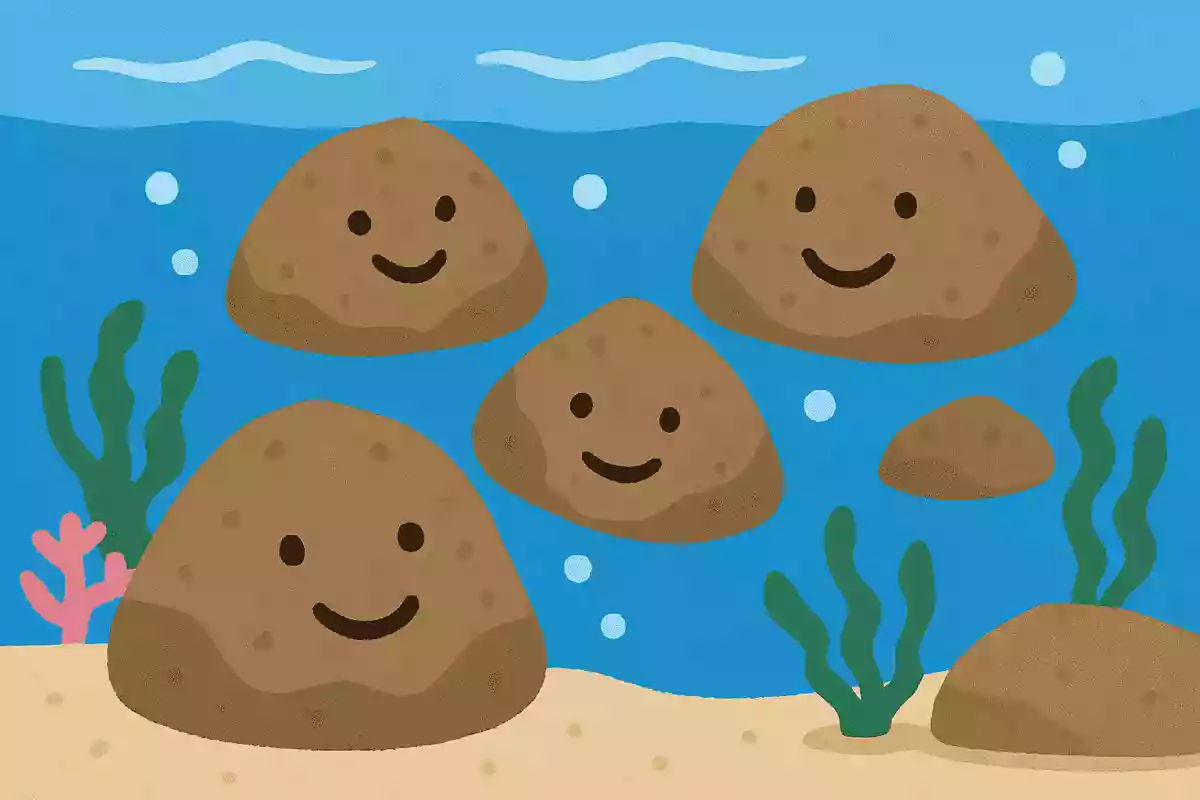
The key points are “in the sea,” “rock,” “four,” and “swimming,” right? First, since it’s swimming in the sea, we can infer it’s a fish.
Then, combining “rock” (iwa) and “four” (shi), we get “iwashi,” sardine.
By the way, the origin of the word iwashi is said to be “weak” (yowashi), named because they die easily.
There are many riddles that can be solved with similar wordplay, so this seems like a good practice problem.
Definitely try looking for similar ones and give them a shot.

Health and Body Knowledge Quiz (1–10)
Natto is said to have a blood-thinning effect. What time of day is best to eat it to achieve a greater effect?
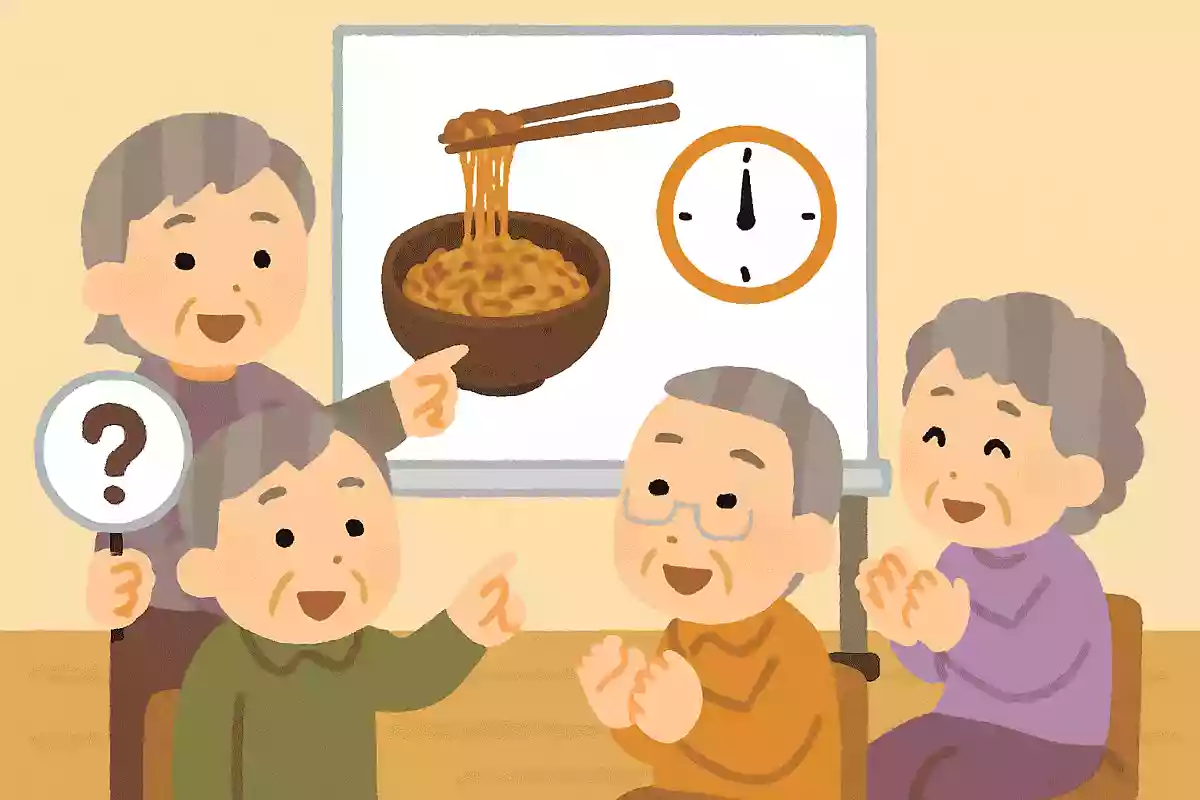
Natto is one of the foods that embody Japanese tradition and is strongly associated with being healthy.
In fact, natto is good for your health and contains components that help thin the blood.
Did you know there’s a recommended time of day to eat it to draw out its health benefits even more? Considering the times when blood vessels are said to be more prone to clogging, you can figure out the timing that may help prevent that.
The answer is “at night.” Blood vessels are considered more likely to clog while you sleep, so the idea is that consuming the beneficial components about four hours before bedtime is best to help prevent it.

What are the two nutrients needed for strong bones?
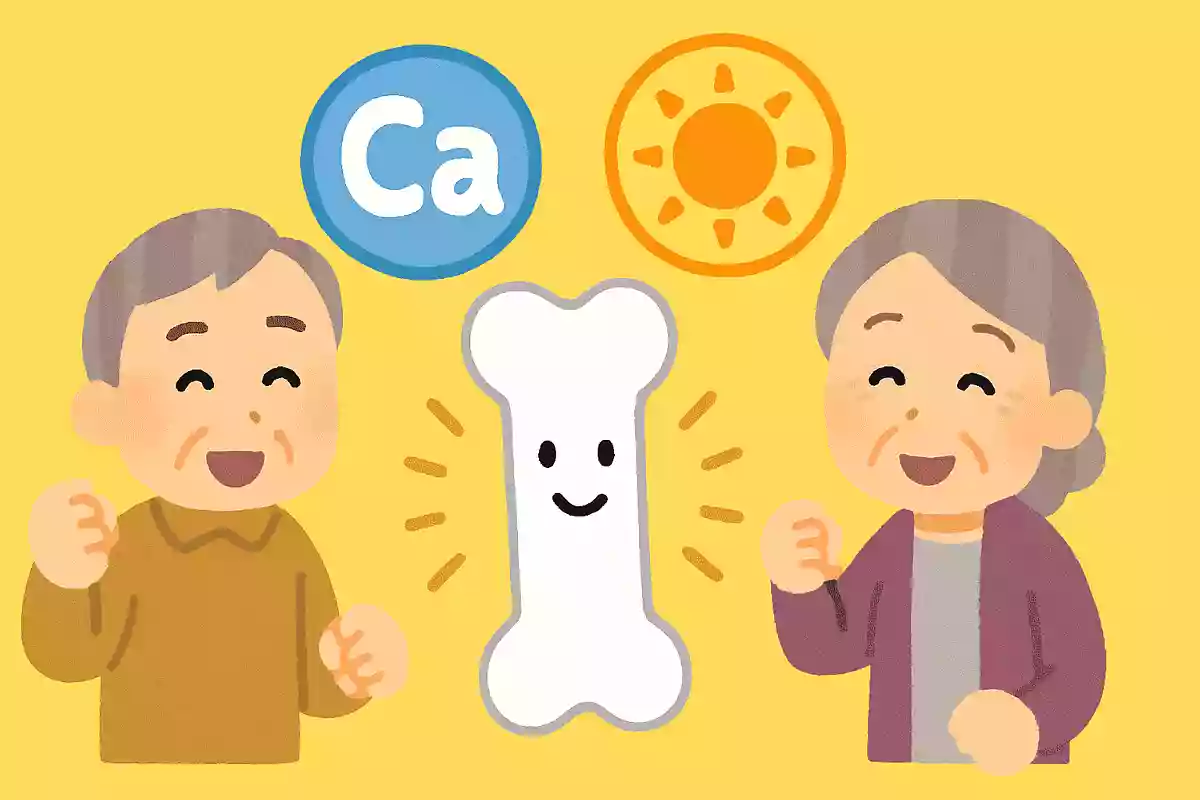
As we get older, we tend to become more concerned about bone strength, and many people want to keep their bones as strong as possible.
So, what are the two nutrients needed to strengthen bones? One of them is obvious because it always comes up in discussions about bones, but the other might be less straightforward.
It’s easier to think of it not so much as a component of bones, but as something essential for overall health.
The answer is calcium and vitamin D—vitamin D helps the body absorb calcium into the bones.
How many hours before going to bed should you eat dinner?
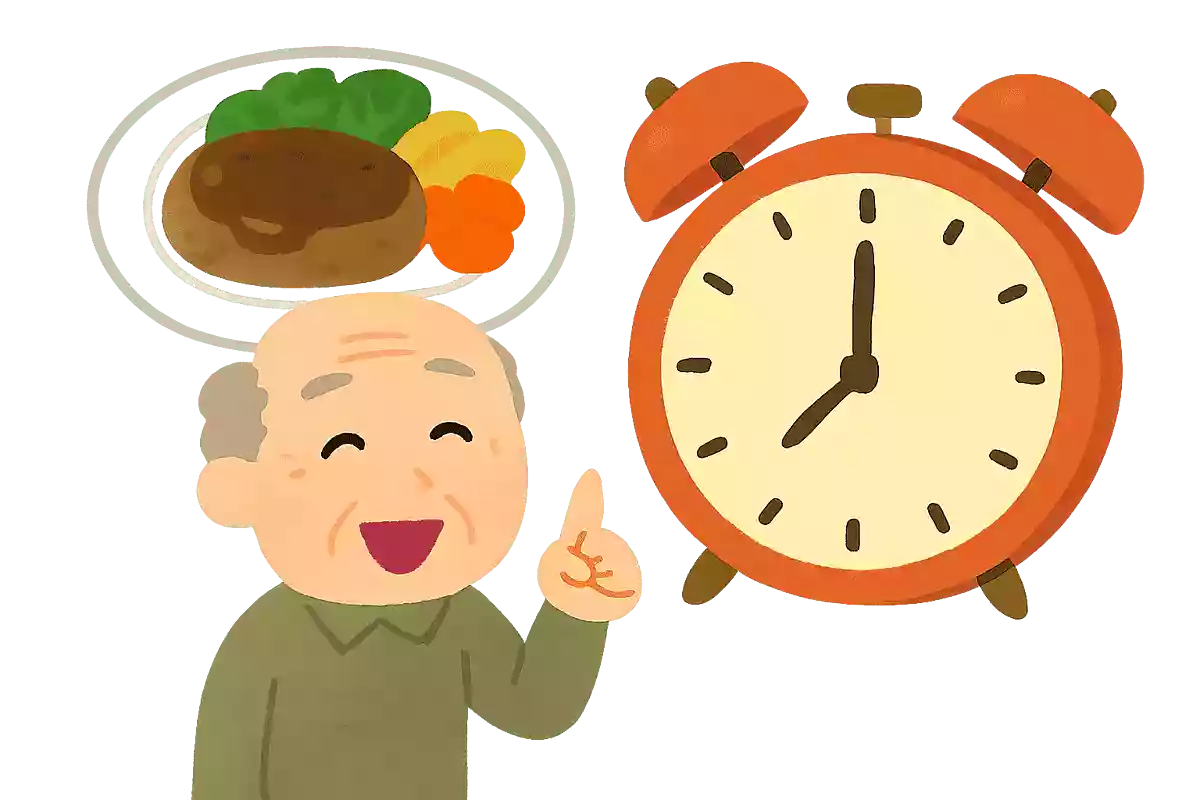
While you may want to lie down right after a delicious dinner, it’s best to wait a bit.
So how long should you wait after dinner? The answer is three hours.
Food takes about two to three hours to digest.
If you go to bed sooner than three hours, it puts a burden on your digestive system as it’s still working, and that activity can also make it harder to fall asleep.
If you have no choice but to eat late, have a small snack in the late afternoon and keep your dinner to about 70% full.

The calves are also called the “second heart.” Using a part of the body, what is it called as the “second” what?

The calf, located on the back of the lower leg, has a nickname that uses the name of a body organ: “the second ___.” What is it? The hints are that it’s an internal organ and an indispensable organ not only for humans but also for animals.
The answer is the second “heart”! Blood tends to pool in the legs, but by actively moving the calves, blood circulates better and can be sent back to the heart more effectively.
That’s why they’re called the “second heart.”
What is the source of tears?
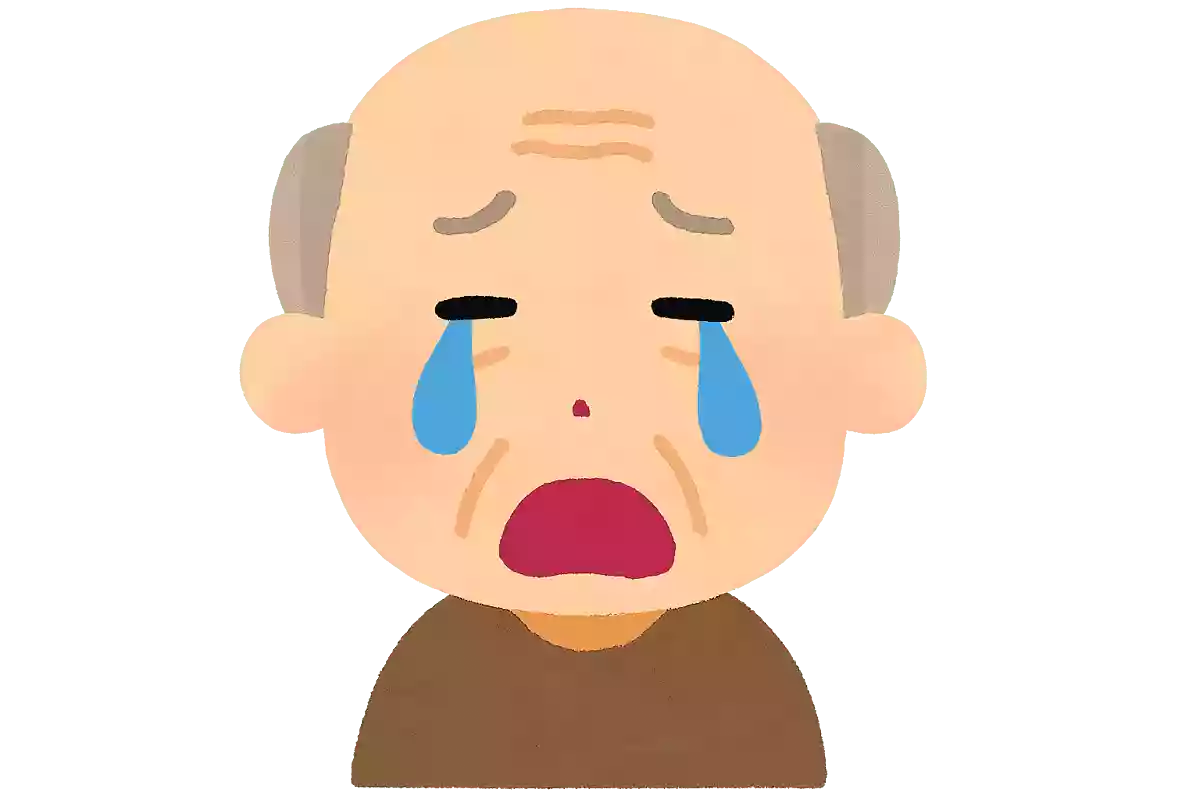
When we’re sad, happy, or deeply moved.
Older adults who have lived long lives have shed all kinds of tears, haven’t they? So what exactly are tears to begin with? Because they look like clear water, we tend to assume they’re just the body’s fluids, but that’s not actually the case.
Here’s a hint: it’s something even older adults have definitely seen before, and it isn’t transparent.
The answer is blood! Tears are said to flow after components like hemoglobin—the red parts—are removed from the blood, which is why they don’t appear red but come out clear.
What kinds of emotions are considered beneficial for health?
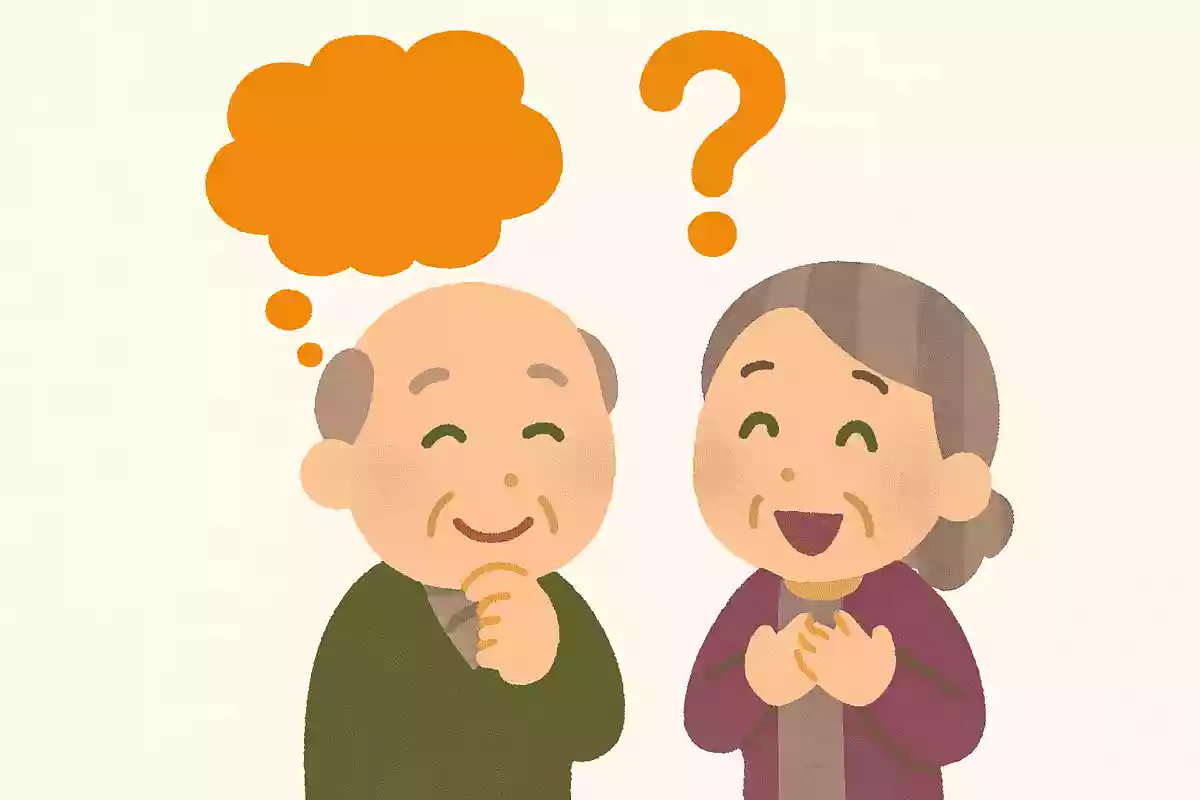
The answer is “laughter.” There’s a saying, “Laughter is the best medicine,” or literally, “Laughter is the chief of all remedies.” When you laugh, the excitement is transmitted to the diencephalon, which controls immunity, leading to active production of neurotransmitters.
These flow throughout the body via the blood and lymph, activating natural killer cells that eliminate harmful substances, thereby boosting immunity.
Laughing also stimulates brain activity, and the deep, abdominal-like breathing that occurs when you laugh heartily is similar to deep or diaphragmatic breathing—making it especially beneficial for older adults as well.