

[For Seniors] Fun and Lively! Recommended Quiz Questions


How about quiz games like wordplay and riddles during recreation time at day service centers and other senior facilities? Puzzles that hide meanings in the arrangement, color, or orientation of letters, as well as riddles, are enjoyable brain teasers.
The answers often draw on familiar folk tales or everyday events, so seniors can experience that delightful “I get it!” moment of surprise and accomplishment when inspiration strikes.
The process of thinking stimulates the brain, and smiles and conversation naturally arise when the answer is revealed.
This time, we’ll introduce clever wordplay and riddle quizzes that are sure to get seniors excited and thinking, the kind that make you say, “Wow, that’s clever!”
- [For Seniors] Laugh-Out-Loud, Crowd-Pleasing! Fun Quiz
- [For Seniors] Lively Wordplay Game: Fun Recreation for Elderly Care
- [Brain Training] Lively Word Quiz for Seniors
- [For Seniors] Have Fun with Wordplay Characters! A Collection of Funny Puzzles
- [For Seniors] Fun and Educational True-or-False Quiz
- [For Seniors] Fun Riddles That Stimulate the Brain
- [For Seniors] Fun! Let’s Get Excited with Japan’s Number One Quiz
- [For Seniors] Fun Quiz Questions That Will Liven Up December
- For seniors: Fun, crowd-pleasing word association game ideas
- [For Seniors] Fun Recreational Activities Without Equipment
- [For Seniors] Perfect Brain Training! Fun Trivia
- [For Seniors] Recommended and Exciting! Brain-Teaser Quiz Collection
- [For Seniors] Recommended Trivia Quizzes & Fun Facts for November
Trivia and Fun Facts Quiz (11–20)
What unit is used when counting omamori (Japanese protective charms)?
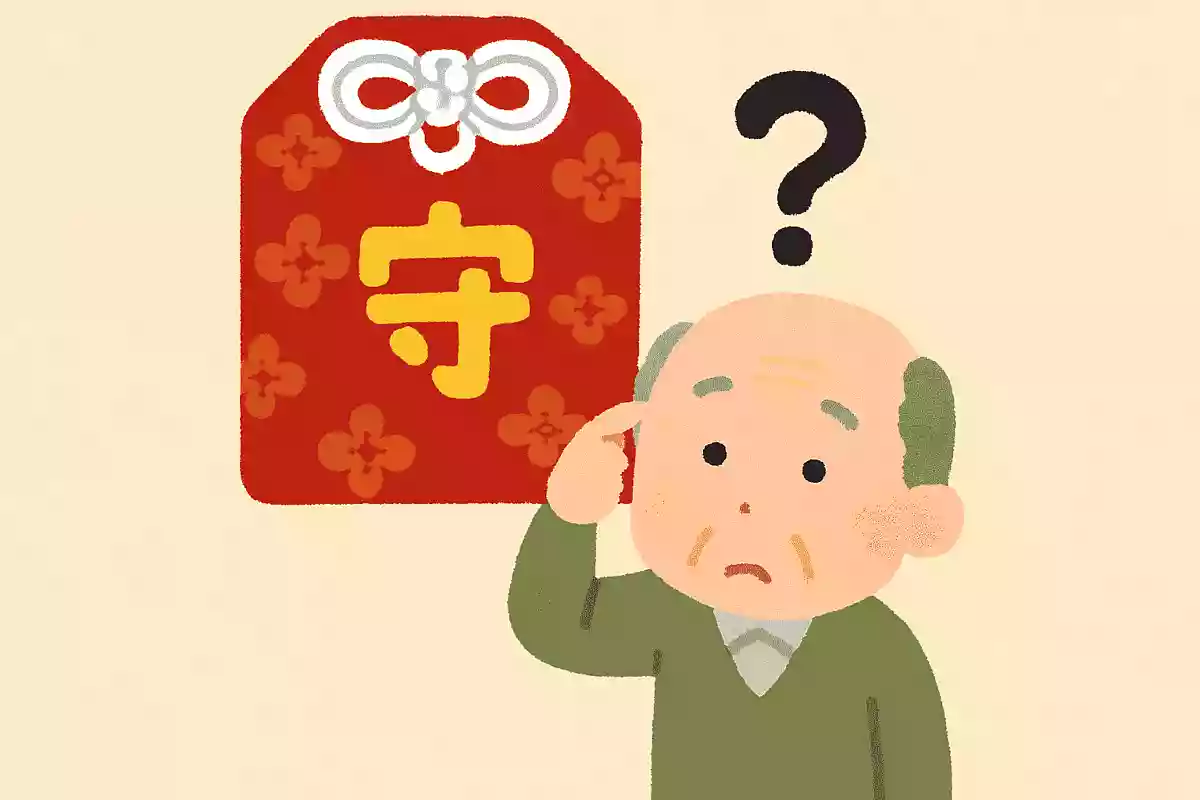
When counting omamori (protective charms), what counter do we use? The answer is “tai.” Instead of saying “one piece” or “two,” you read them as “ittai, nitai.” The reason is that omamori are considered embodiments of the deities.
Come to think of it, the places that offer omamori are labeled “juyosho” (place of conferral), not “hanbaisho” (sales counter).
By the way, deities themselves are counted as “hitoshibashira, futashibashira” (1 pillar, 2 pillars), and mikoshi (portable shrines), being the deities’ vehicles, are counted as “ikki, nikki” (1 unit, 2 units).
Knowing these counters can make you feel a solemn, sacred sense that you are being granted a share of the deity’s power.

There used to be dealers who exchanged old newspapers for a certain item. What was that item?
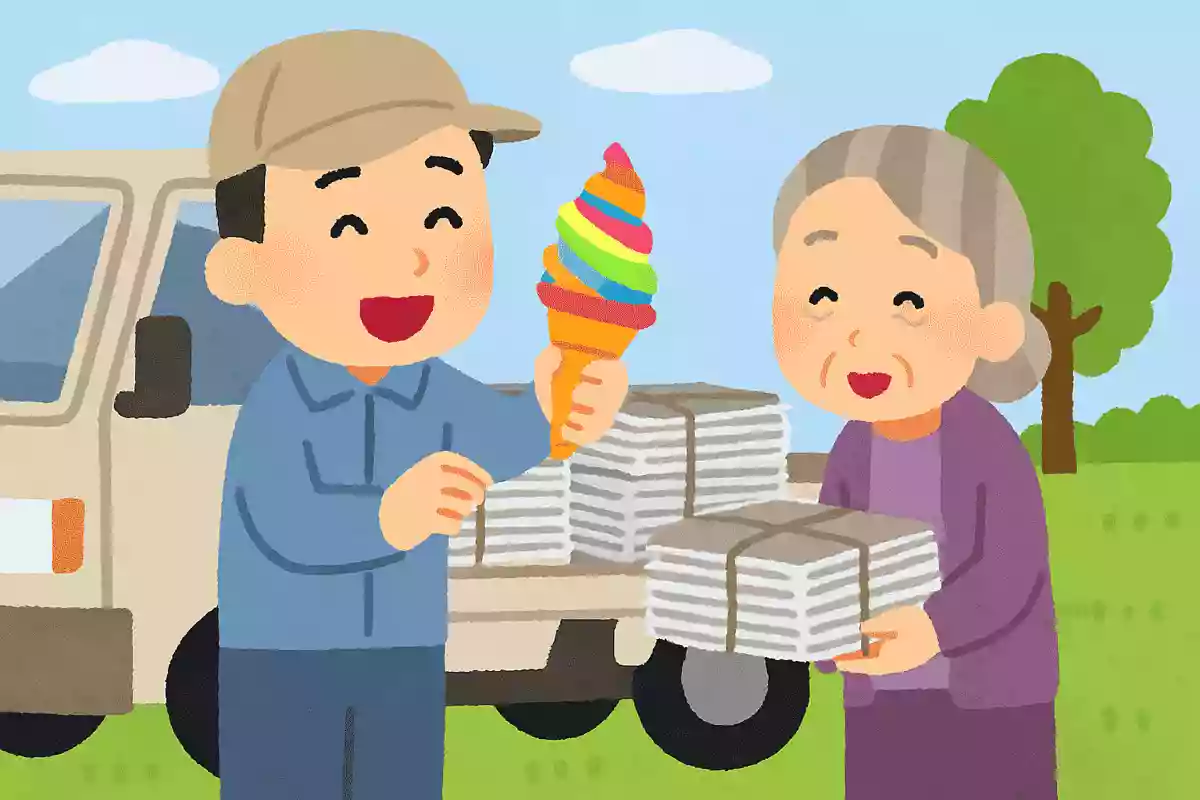
Some of you may be familiar with the loudspeaker announcement that begins with “the same old familiar…” Back in the day, the now-rare chigami-exchange trucks would go around collecting old newspapers and unwanted paper from homes, trading them for tissue paper or toilet paper.
The vendors made money by selling the paper they collected, while households turned unwanted items into something practical and useful.
What’s more, the collected paper was recycled, making it an environmentally friendly and ideal method of collection.
However, it seems that chigami exchanges have become very rare nowadays.

What kind of hospitals are there more of than convenience stores?
Convenience stores are everywhere and handy—you probably have one in your neighborhood.
That aside, did you know there’s a type of clinic said to outnumber even convenience stores? The answer is dental clinics.
Their numbers have been increasing year by year, now totaling over 69,000.
For reference, there are about 55,000 convenience stores, which means there are over 10,000 more dental clinics.
Whether that’s true or not, try comparing the number of dental clinics and convenience stores in your area.

Who is the only Japanese deity among the Seven Lucky Gods?
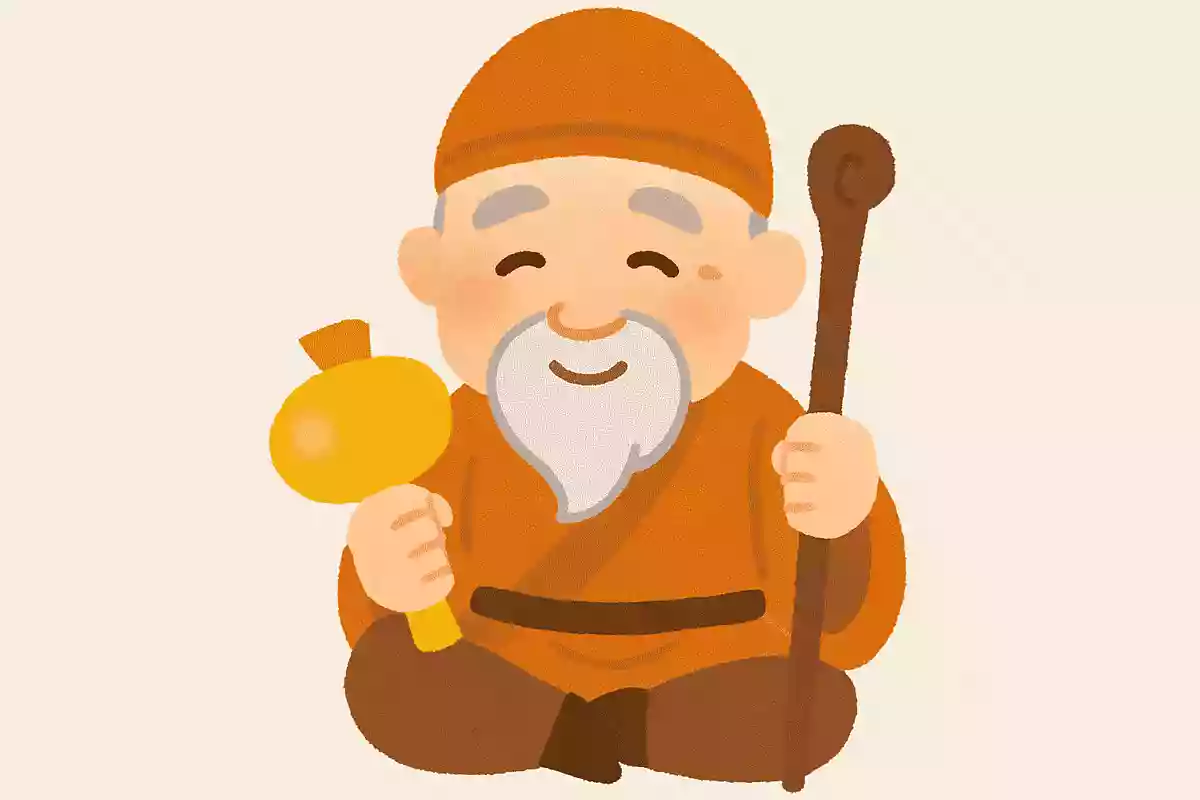
The Seven Lucky Gods are revered as deities of fortune.
They are a collective term for seven gods: Ebisu, Daikokuten, Fukurokuju, Bishamonten, Hotei, Jurōjin, and Benzaiten.
But which one is the only Japanese god among them? The answer is Ebisu.
Worshiped as the god of fishing, prosperous business, and bountiful harvests, Ebisu is said to be the third child of the deities Izanami and Izanagi.
Incidentally, Daikokuten and Benzaiten have roots in Hinduism; Bishamonten comes from ancient India; and Fukurokuju, Jurōjin, and Hotei are of Chinese origin—surprisingly global, isn’t it?
When do we see dreams while sleeping, and in what state is the body at that time?
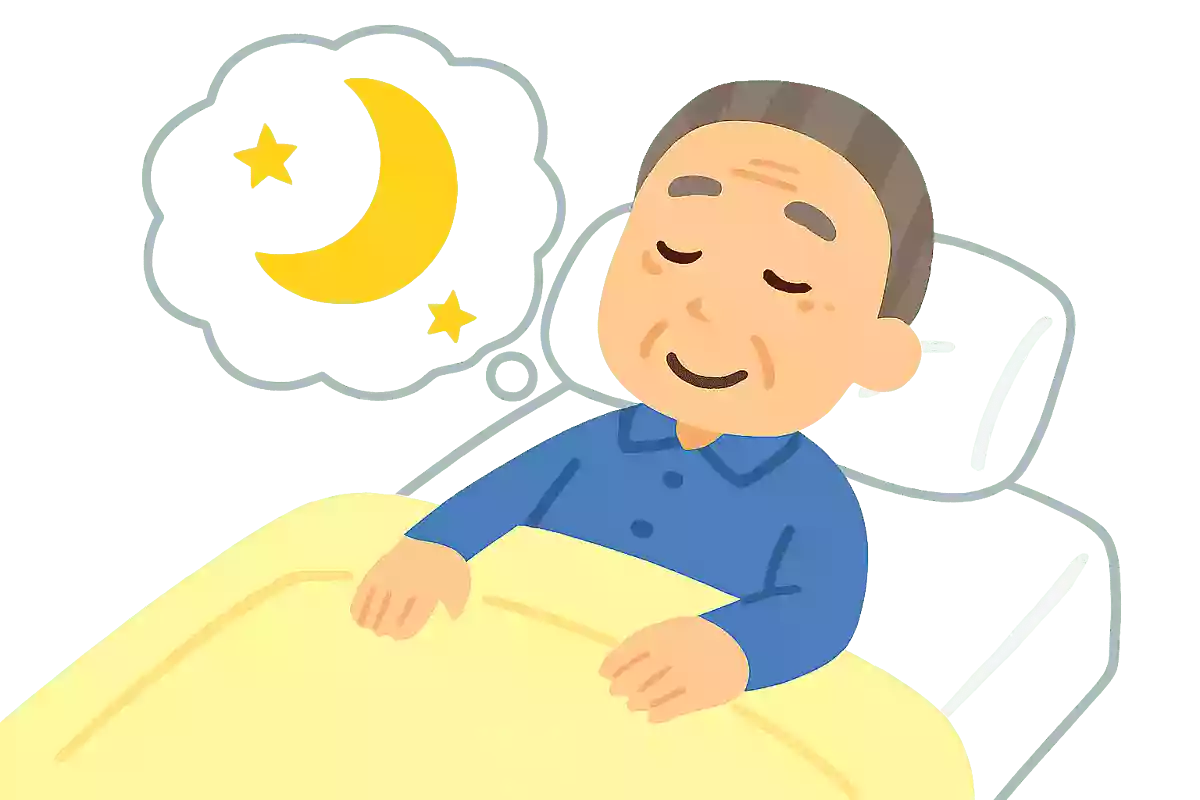
People can have all kinds of dreams while sleeping—whether realistic or fantastical—like dreams of meeting someone you love or being chased by a scary ghost.
What kinds of dreams might older adults have had over the years? Still, there are times when you clearly feel you’ve had a dream, and other times when you feel you didn’t dream at all.
So, when is it that we have dreams? The answer is: when our sleep is light.
That said, it seems that everyone dreams regardless of sleep depth.
It’s just that during deep sleep, the content of dreams can be less striking, so we may feel as though we didn’t dream.

Ichiro, a former professional baseball player who also excelled in the Major Leagues. He has two brothers; is he the older or the younger son?
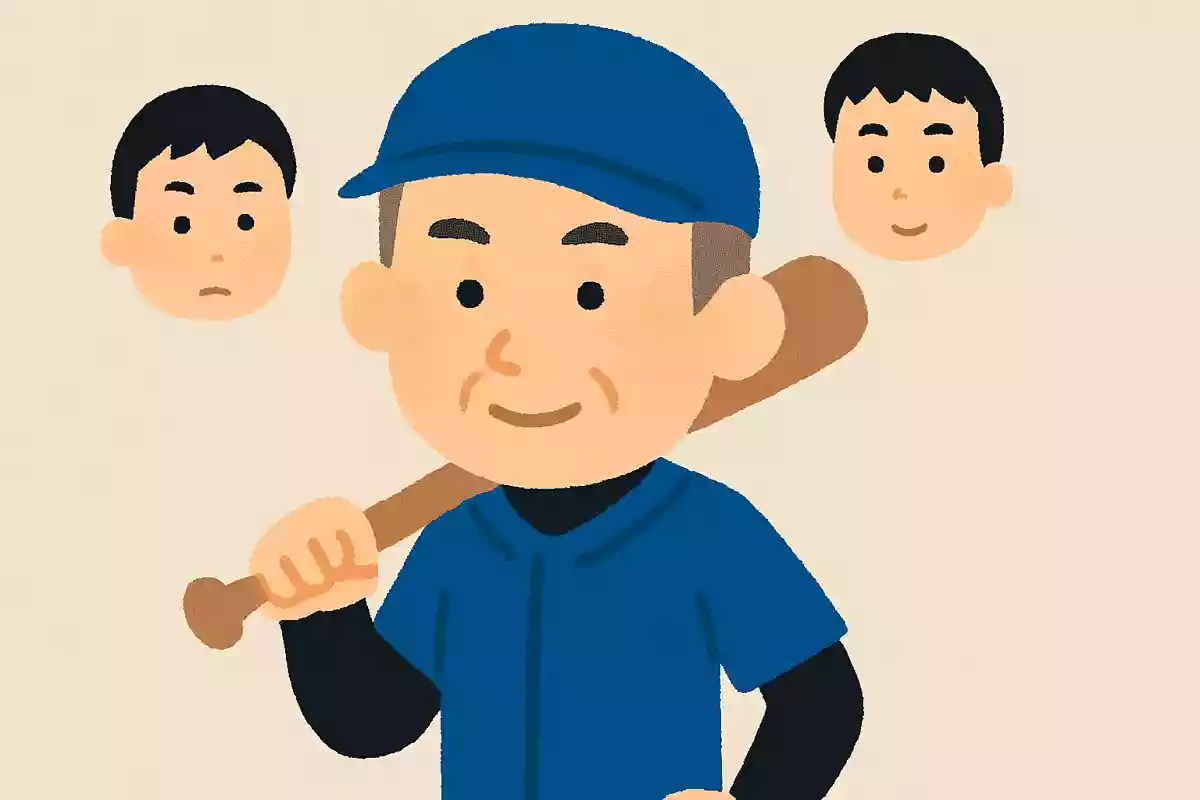
Ichiro Suzuki, known simply as Ichiro, made a tremendous impact not only in Japan but also in Major League Baseball in the United States.
Although he retired in 2019 to much regret, his achievements remain etched in many people’s memories.
Ichiro actually has a sibling, but is he the older or younger brother? From his name, you might think he’s the firstborn, but the answer is that he’s the younger brother! It’s the kind of question many people might get wrong, so it could be fun to pose the same quiz to someone after this.
By the way, his older brother’s name also includes the character for “one” (一).
What are the buttons on the sleeves of school uniforms and suits for?
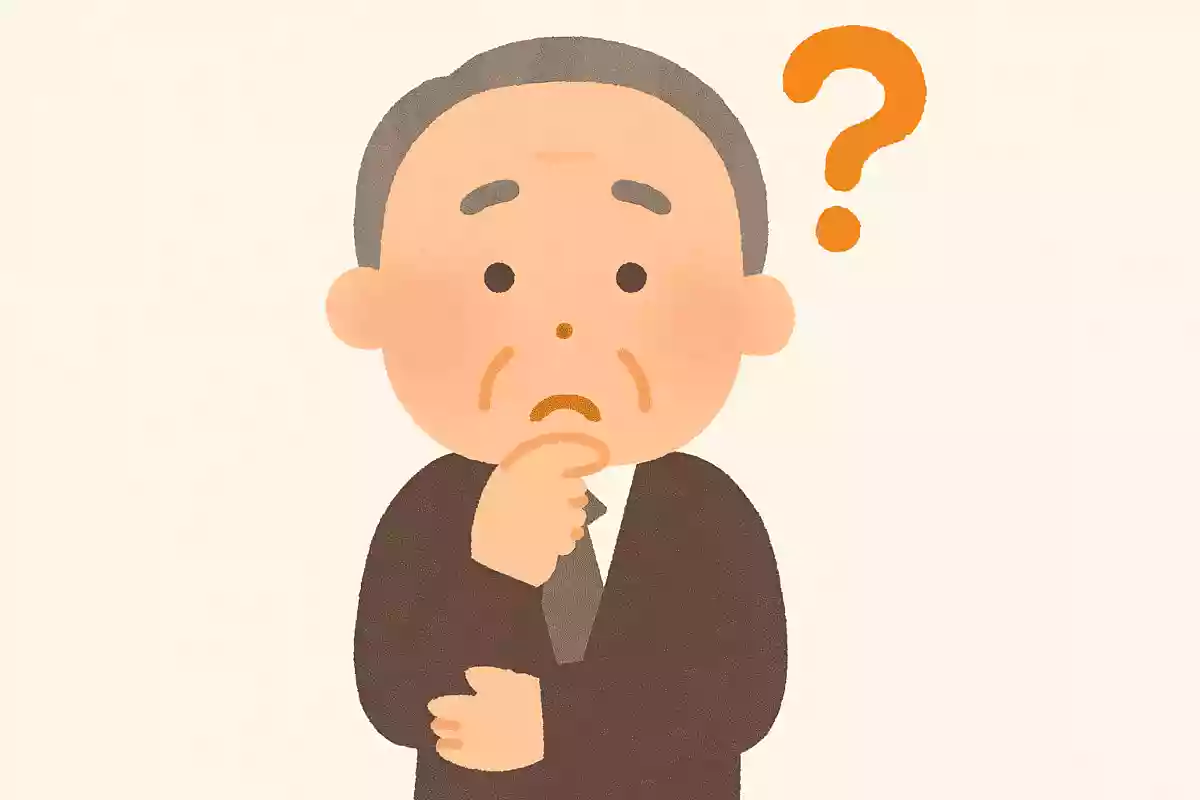
The buttons on the sleeves of jackets, like those on school uniforms and suits, may seem to serve little purpose—but why are they there? The answer is: to keep people from wiping their noses on their sleeves.
One theory says it began during Napoleon’s Russian campaign, when, unable to bear the sight of soldiers shivering in the cold and wiping their noses on their uniform sleeves, buttons were added.
There are also theories that they were meant to make it easier to open the cuffs and roll up the sleeves, or that they serve a purely decorative purpose.
In any case, it’s fun to ponder the history behind them.