

[For Seniors] Winter Haiku: Introducing Beautiful Masterpieces by Famous Haiku Poets

Haiku have a unique depth of flavor that belongs to the winter season.
From the cold moon and the first winter showers to the soft fall of snow, there are countless famous verses that richly capture these scenes.
For older readers in particular, encountering haiku filled with nostalgic landscapes and memories can warm and soothe the heart.
This time, we will introduce winter haiku composed by Japan’s leading poets, such as Matsuo Bashō and Yosa Buson.
We have carefully selected beautiful verses that conjure vivid scenes the moment you close your eyes.
Why not relax and immerse yourself in the world of haiku, while also noting the playful expressions and turns of phrase?
- [For Seniors] Winter songs you'll want to hum along to. A collection of classic tunes recommended for BGM and recreational activities
- [For Seniors] Fun Winter Activities: Recreation and Games
- Hand games that liven things up for seniors—also great brain training
- [For Seniors] Introducing Whiteboard Activities to Enjoy in Winter!
- [For Seniors] Haiku for March: Enjoying a Spring Moment with Famous Verses
- [For Seniors] Enjoy the Cold Winter! Simple, Recommended Crafts
- [For Seniors] Get Through the Chilly February! Recommended Health-Themed Recreations
- [For Seniors] Enjoy the Cold Winter! Seated Activities You Can Do
- [For Seniors] Spring Haiku. Spring Activity
- [For Seniors] Extremely Effective Brain Training! A Fun Collection of Hand Games
- [For Seniors] Brain-training with winter-themed quizzes. Great for activities, killing time, and dementia prevention.
- [For Seniors] Hand and finger play roundup: Finger exercises that lead to brain training
- [For Seniors] Fun Riddles That Stimulate the Brain
[For Seniors] Winter Haiku: Introducing Beautiful Masterpieces by Famous Haiku Poets (81–90)
Moonlit shadows—outside, the Tenth Night, scarcely a soul passing by.Masaoka Shiki
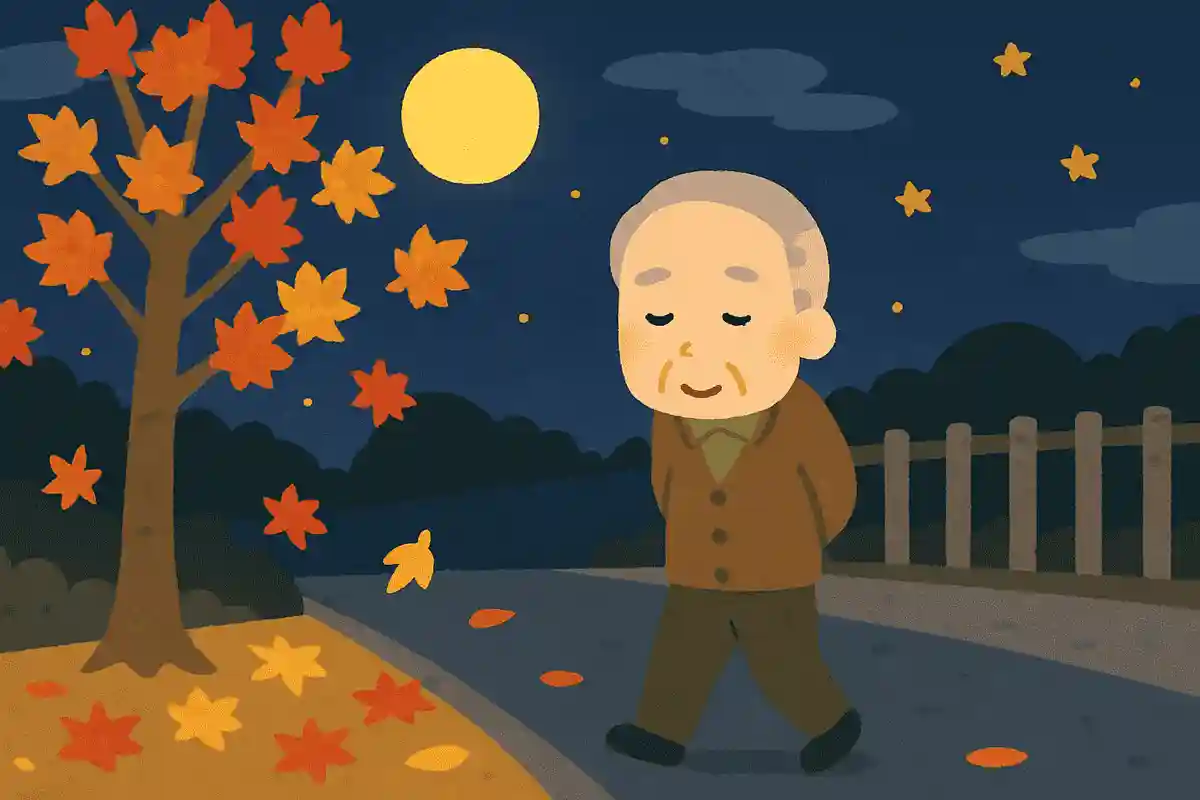
This is a haiku by Masaoka Shiki that contemplates the quiet of a late autumn night and the flow of human life.
“Jūya” refers to a Buddhist observance held in November, an event where people visit temples.
On a night softly lit by the moon, people are passing outside on their way to this “Jūya.” Though Shiki was living with illness, he gazed at this tranquil scene from his room, perhaps contrasting the movement of the world with his own stillness.
The word “tsukikage” (moonlight) carries feelings that are gentle yet fleeting.
It is a deeply moving verse that evokes, on a clear November moonlit night, the warmth of human faith and the quiet of life.

Out-of-season blossoms—how moving they are, the mountain cherry.Akiko Mizuhara
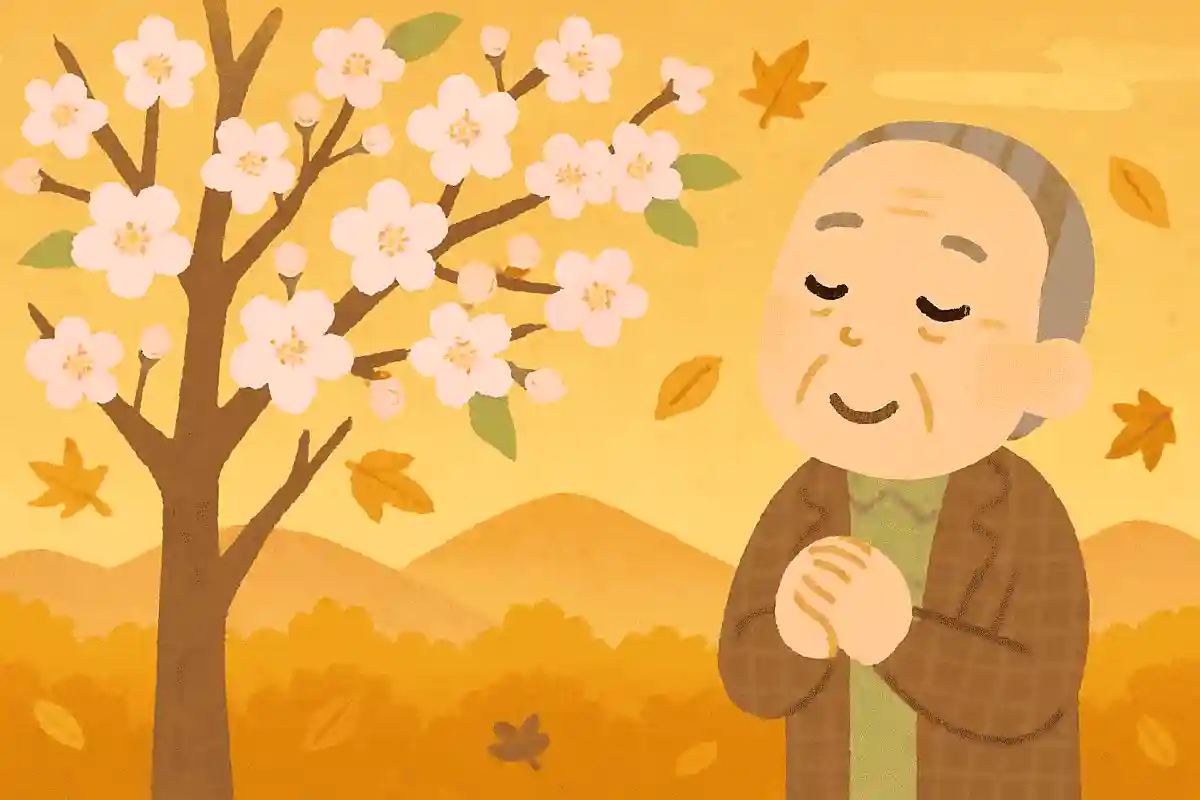
A single verse composed by Mizuhara Shuoshi as he gazed at a mountain cherry quietly blooming in the calm of late autumn.
Kaeribana refers to flowers that bloom again after their proper season has passed.
Seeing a mountain cherry on a November mountainside blooming as if it were spring, Shuoshi was surely moved by the strangeness and transience of the seasons.
In the phrase “michite aware ya,” there is not only an appreciation of the flower’s beauty, but also a deep, poignant feeling for the passage of time and the fragility of life.
In a quiet mountain in late autumn, this evokes a gentle warmth—joy and wistfulness at encountering an out-of-season blossom.
Handmade candleholders and ChristmasHōsaku Shinohara
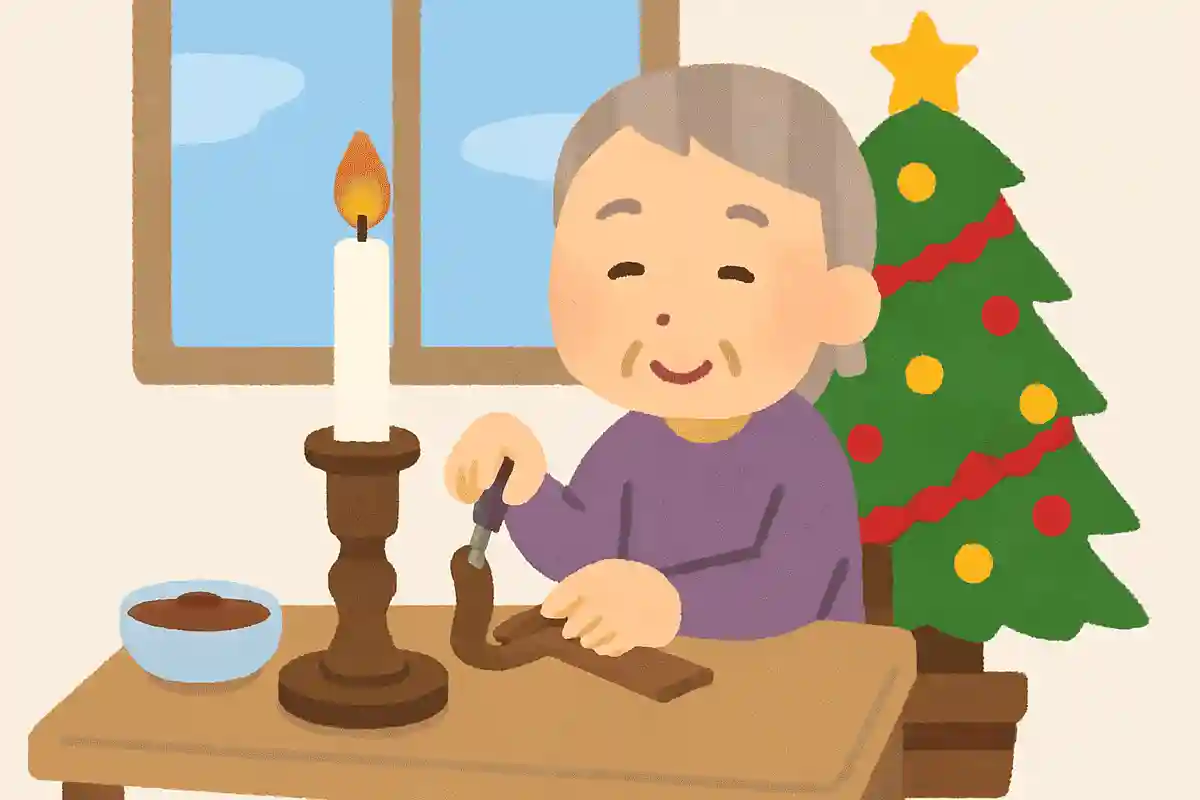
A haiku by Shinohara Hōsaku composed while feeling the preparations for winter in December and the warmth of home.
The “handmade candlestick” refers to a candlestick crafted at home by one’s own hands.
You can sense the heartwarming spirit of preparing for Christmas with ingenuity, made by family or oneself.
From the word “Christmas,” we sense the gentle light of winter nights, hope, and the pleasures that brighten the heart.
Hōsaku may have cherished the small happiness of everyday life and the joy of ingenuity through seasonal events.
It is a verse that evokes the light and warmth inside the home on a cold day in December, leaving us with a gentle feeling.
The paulownia seeds have sounded forth—winter preparations.Fuji-o Shiba
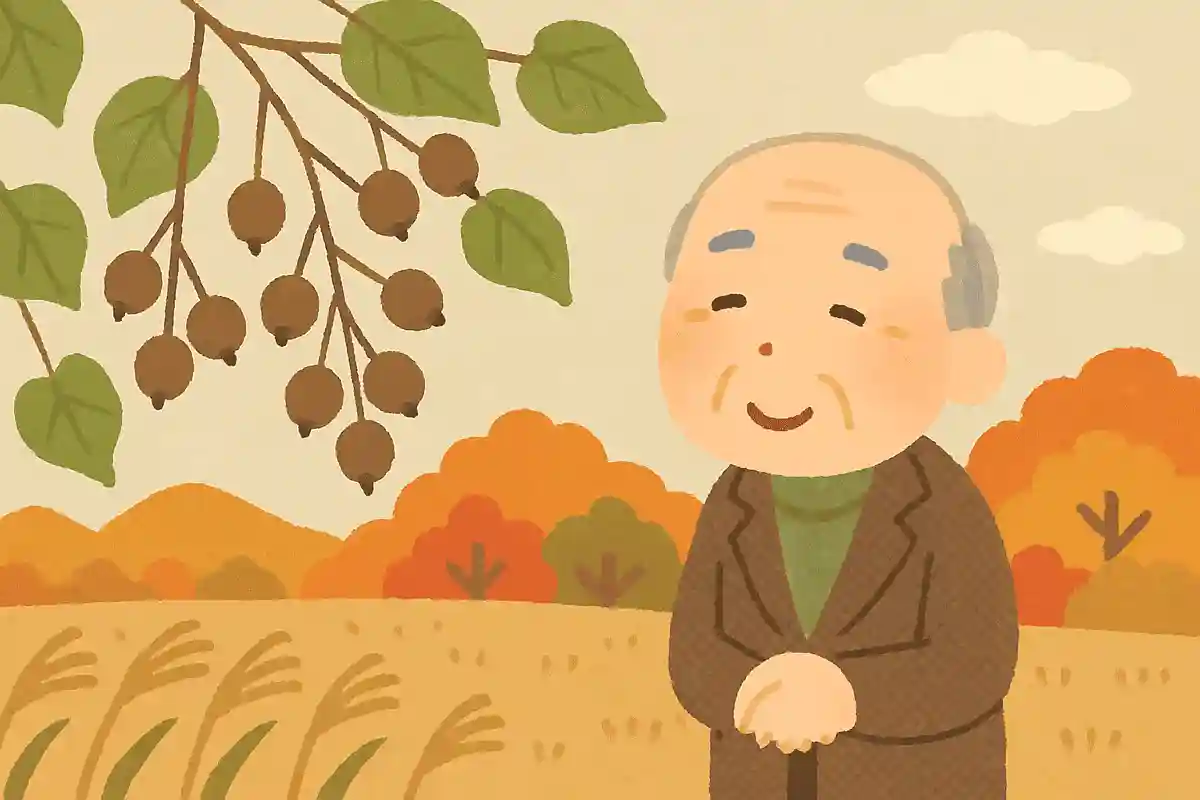
A verse by Shiba Bukio that senses the shift in nature from late autumn to early winter.
“Kiri no mi no nari ide ni keri” depicts the sound of paulownia pods ripening and falling.
Hearing that sound made him realize it was time to prepare for winter.
“Fuyugamae” refers to readying one’s home and garden against the cold.
From the small change in nature—the sound of paulownia pods dropping—Shiba Bukio felt the deepening of the season and the intimate link between life and nature.
On a quiet day in November, it is a gentle, calm poem that quietly accepts winter’s approach.
At the beautiful battledore fair, I pass by without buying.Kyoshi Takahama
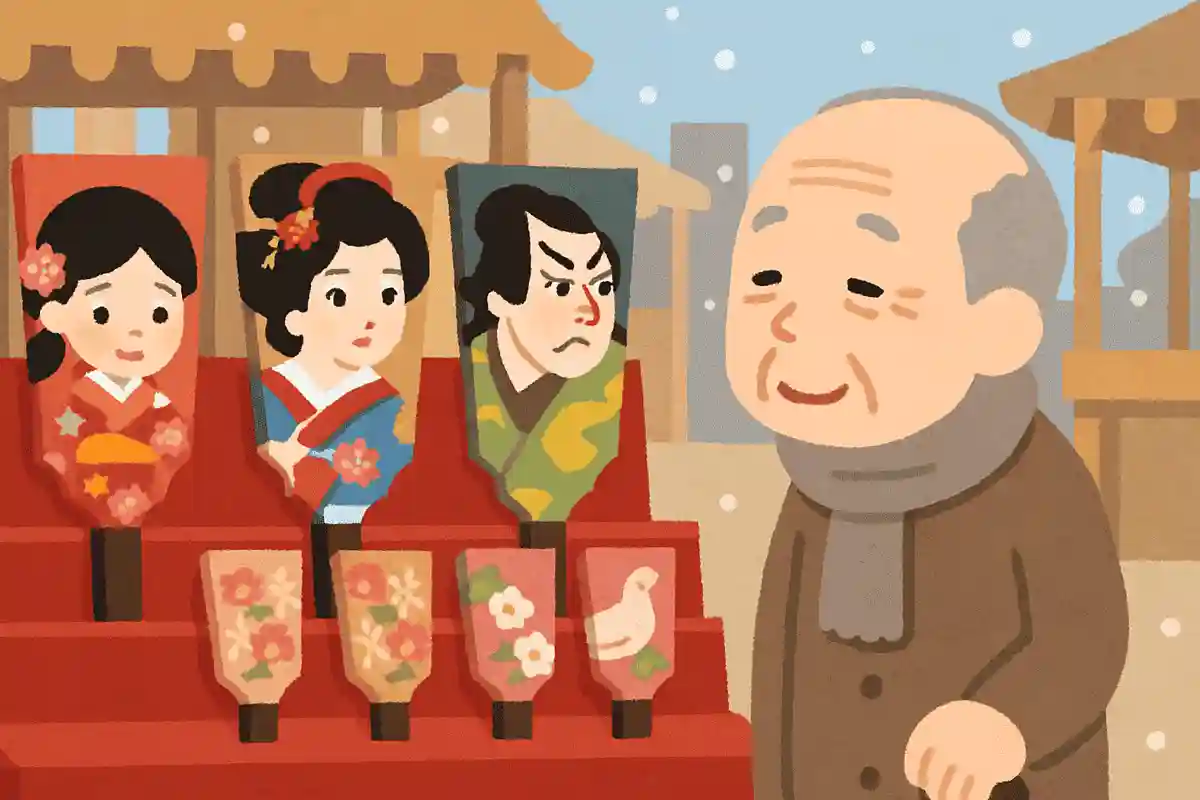
This verse is a haiku by Takahama Kyoshi composed while sensing the seasonal sights from late autumn into early winter, the year-end of December.
The “Hagoita Market” is a fair selling decorative battledores for the New Year, where colorful, ornate paddles are lined up.
Although he finds them “beautiful,” as the phrase “I pass by without buying” suggests, he depicts himself simply picking one up and moving on without purchasing it this time.
Kyoshi seems to imbue the poem with a feeling of quietly savoring the changing season—watching the brightness and festivity yet deliberately not taking part.
It is a gentle, soothing poem that evokes the quiet preparations for year’s end on a December street corner.